
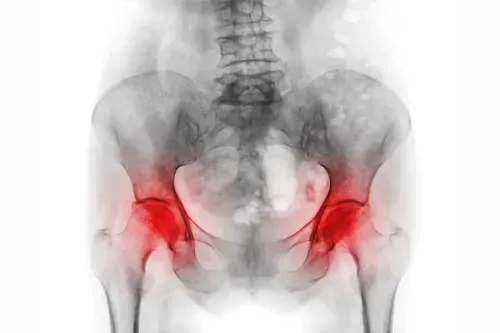
Avascular Necrosis and Its Impact on Bone Health
Avascular Necrosis: Causes, Symptoms & Diagnostic Methods
Avascular necrosis (AVN) occurs when the blood supply to a bone is lost. It causes the bone tissue to die and possibly collapse. The hip (femoral head) is most commonly affected, but avascular necrosis may involve multiple joints at the same time, particularly in systemic conditions or steroid-related cases. Hence, early treatment is crucial.
What is the main cause of avascular necrosis?
Though in some cases, the cause is unknown, the common causes of AVN are as follows:
- Bone or joint injuries, such as fractures or dislocations, can damage nearby blood vessels.
- Fat metabolism changes (such as fat emboli and increased intraosseous pressure), particularly associated with steroid use or heavy alcohol intake, can impair blood flow to bone and contribute to avascular necrosis.
- Certain diseases like sickle cell anaemia, Gaucher’s disease, HIV infection, and pancreatitis can reduce the blood supply.
- Other causes include high cholesterol, chemotherapy, decompression sickness, and organ transplants.
What Increases the Risk of Avascular Necrosis, and How Can It Be Prevented?
The risk factors that boost the development of avascular necrosis and a few preventive tip measures are:
Risk Factors
Several factors can increase the chance of developing avascular necrosis (AVN):
- Bone injuries like fractures or dislocations damage nearby blood vessels.
- Long-term or high-dose steroid use may raise fat levels in the blood.
- Heavy alcohol consumption can cause fatty deposits to block blood vessels.
- Radiation therapy and organ transplants, especially kidney transplants.
- High-dose intravenous bisphosphonate therapy (used in cancer treatment) is a known risk factor for avascular necrosis specifically of the jaw (osteonecrosis of the jaw).
Prevention Tips
A few tips that can help prevent AV are as follows:
- Limit alcohol and avoid smoking.
- Keep cholesterol levels under control.
- Carefully monitor steroid use with your doctor’s advice.
- Maintain a healthy lifestyle to support good blood flow.
- It's important to note that not all cases of AVN are preventable, especially when it results from necessary medical treatments or underlying genetic conditions. However, managing modifiable risk factors can help reduce overall risk.
What are the symptoms of avascular necrosis?
Avascular necrosis may not show any signs at first. Symptoms usually develop slowly over weeks or months. The common symptoms are:
- Pain in the affected joint, often when moving or putting weight on it.
- Joints may feel stiff, with reduced movement.
- Pain can be felt in the groin if the hip is affected.
- Limping, especially if AVN affects the hips or knees.
- Pain may increase over time and can occur even when resting.
- Difficulty standing, walking, or climbing stairs.
How is Avascular Necrosis Diagnosed?
Diagnosing avascular necrosis (AVN) involves a review of your medical history, a physical examination, and several tests.
- X-ray: Creates simple bone images to check for damage. X‑rays may appear normal in early avascular necrosis and typically show changes only in later stages of the disease.
- CT scan: Provides detailed images of bones, muscles, and organs.
- MRI: Offers clear pictures of bone and soft tissues using magnets and radio waves.
- Bone Scan: Uses a small amount of radioactive material to show blood flow and bone activity. Bone scans can detect altered bone metabolism but are less specific than MRI and are used less commonly in current clinical practice.
- Biopsy: Examines a small tissue sample to detect abnormal cells.
What is the Best Treatment for Avascular Necrosis?
The treatment for avascular necrosis (AVN) depends on several factors, including the patient’s age, overall health, the cause of AVN, and how much bone is damaged. The main goals of treatment are to control pain, prevent further bone damage, and improve joint function.
Non-Surgical Treatments
In the early stages, doctors may suggest:
- Pain relief medications, like nonsteroidal anti-inflammatory drugs.
- Limiting pressure on joints by reducing activities such as walking or standing for long periods.
- Range-of-motion exercises to keep the joint flexible.
- Managing lipid levels may be considered in patients with dyslipidaemia.
- Assistive devices, such as crutches or walkers, help relieve weight on the affected bone.
Surgical Treatments
When AVN worsens or does not improve with non-surgical care, surgery may be needed. Options include:
- Core Decompression: Removing a part of the inner bone to relieve pressure and encourage new blood vessel growth.
- Bone Grafting: Replacing damaged bone with healthy bone from another part of the body or using donor or synthetic bone.
- Osteotomy: Reshaping or repositioning the bone to reduce joint stress.
- Joint Replacement: Replacing the damaged joint with artificial parts if the bone has collapsed.
- Regenerative Medicine: In selected early-stage cases, bone marrow–derived cell therapy may be used as an adjunct to core decompression in specialised centres, but it is not yet universally accepted as standard treatment.
Avascular necrosis is a serious condition, but early diagnosis and timely treatment can help manage symptoms and prevent joint damage. Adopting healthy habits, limiting alcohol, avoiding smoking, and following medical advice are key to reducing risks and maintaining bone health for a better quality of life. Seek the advice of a licensed doctor or other qualified health provider with any questions regarding this medical condition.
Also Read:
→ Main Treatment Options for Hip Avascular Necrosis


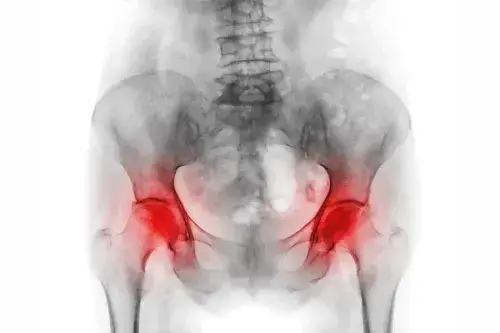
Health Insurance Coverage for pre-existing medical conditions is subject to underwriting review and may involve additional requirements, loadings, or exclusions. Please disclose your medical history in the proposal form for a personalised assessment.
This FAQ page contains information for general purpose only and has no medical or legal advice. For any personalized advice, do refer company's policy documents or consult a licensed health insurance agent. T & C apply. For further detailed information or inquiries, feel free to reach out via email at marketing.d2c@starhealth.in