





Brown-Sequard Syndrome - A Rare Neurological Condition
Brown-Sequard Syndrome: Diagnosis, Treatment & Recovery
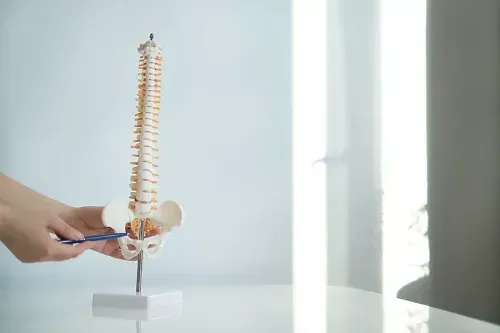
Brown-Séquard Syndrome is a complex neurological condition that occurs due to damage to one side of the spinal cord. It exhibits a unique pattern of symptoms, including paralysis and loss of proprioception on the affected side.
What are the key symptoms of Brown-Séquard syndrome?
Brown-Séquard syndrome occurs due to a hemisection of the spinal cord, resulting in deficits on one side of the body. Let us discuss some of the key symptoms of Brown-Séquard syndrome:
- Ipsilateral Deficits: Individuals experience a loss of voluntary movement in the affected side of their body. Additionally, they experience difficulty in sensing limb position and movement. The descending motor pathways (corticospinal tracts) are damaged due to paralysis on the same side of the body.
- Contralateral Deficits: Contralateral deficits manifest as a loss of pain and temperature sensation on the opposite side of the body. This occurs because pain and temperature fibers in the spinothalamic tract cross to the opposite side within one to two spinal segments after entering the spinal cord, leading to contralateral loss of pain and temperature sensation below the level of the lesion.
- Muscle Atrophy: Brown-Séquard syndrome primarily results in upper motor neuron weakness below the level of the lesion, characterized by spasticity and hyperreflexia. Muscle atrophy may occur over time due to disuse. Lower motor neuron signs and true denervation atrophy are typically limited to muscles at the level of the lesion if anterior horn cells are involved.
- Horner’s Syndrome: If this syndrome is present in Brown-Séquard syndrome, it indicates an additional injury to the cervical paravertebral sympathetic chain and inferior cervical ganglion. If the spinal cord lesion occurs in the cervical region and affects the T1-T2 spinal segments, it may disrupt the sympathetic nervous system pathways, leading to Horner's syndrome on the ipsilateral side of the face.
What Causes Brown-Séquard Syndrome?
Brown-Séquard syndrome can occur due to various factors. Here are some of the common factors that can cause Brown-Séquard syndrome:
- Penetrating Injuries: Any kind of stab wounds, gunshot wounds, and other penetrating injuries to your spine can cause BSS.
- Blunt Trauma: Motor vehicle accidents, falls, or any other types of blunt trauma can damage the spinal cord, leading to the development of BSS.
- Spinal Cord Tumours: Tumours in your spinal cord can compress the spinal cord and lead to the development of Brown-Séquard syndrome.
- Infectious diseases: Certain conditions, like transverse myelitis, tuberculosis, and meningitis, can affect the spinal cord.
What are the treatments for Brown-Séquard syndrome?
The treatment for BSS involves medications, surgery, and rehabilitation therapies, as it focuses on addressing the underlying causes. Let us discuss some treatment approaches for BSS:
- Surgery: For non-traumatic cases, surgery may help to relieve pressure on the spinal cord, such as for tumours or herniated discs.
- Medications: Steroids may be considered in selected non-traumatic or inflammatory causes of Brown-Séquard syndrome. However, routine use of high-dose steroids in traumatic spinal cord injury is controversial and not universally recommended due to limited evidence of benefit and potential adverse effects.
- Disease-Specific Therapy: Treating the underlying cause is paramount. This includes antibiotics for bacterial infections, antivirals for viral infections and immunotherapy (e.g., steroids, plasma exchange) for inflammatory or demyelinating causes (e.g., multiple sclerosis, transverse myelitis).
Individuals suffering from BSS must consult with healthcare providers to treat the issues as early as possible. If they are left untreated, it can lead to serious complications at a later stage.
Reader Information: The information provided in this article is intended for general educational and informational purposes only and should not be considered a substitute for professional medical advice, diagnosis, or treatment. Brown‑Séquard syndrome is a complex neurological condition, and its diagnosis and management may vary depending on the underlying cause, severity, and individual patient factors. Consult a qualified healthcare professional for accurate diagnosis, personalized treatment recommendations, and medical guidance.
Also Read:
→ Alice in Wonderland Syndrome Explained


Health Insurance Coverage for pre-existing medical conditions is subject to underwriting review and may involve additional requirements, loadings, or exclusions. Please disclose your medical history in the proposal form for a personalised assessment.
This FAQ page contains information for general purpose only and has no medical or legal advice. For any personalized advice, do refer company's policy documents or consult a licensed health insurance agent. T & C apply. For further detailed information or inquiries, feel free to reach out via email at marketing.d2c@starhealth.in







