





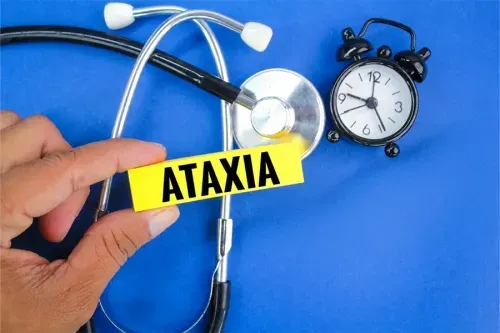
Exploring the Root Causes of Cerebellar Ataxia
Causes of Cerebellar Ataxia: From Stroke to Genetic Mutations
Cerebellar ataxia is a neurological condition that affects coordination and balance due to damage to the cerebellum. Read on to explore the various causes of cerebellar ataxia influencing its onset and progression.
Understanding Cerebellar Ataxia
Cerebellar ataxia is a condition caused by damage to the cerebellum, the part of the brain responsible for coordination, balance, and muscle control. It leads to symptoms such as unsteady movement, poor coordination, and difficulty with speech or eye movements. Cerebellar ataxia can be broadly classified into hereditary (genetic), acquired, and degenerative forms. Degenerative ataxias may be hereditary or sporadic (non-hereditary).
Hereditary Causes of Cerebellar Ataxia
Hereditary ataxias include spinocerebellar ataxias (SCAs) as well as other genetic conditions such as Friedreich’s ataxia, ataxia telangiectasia, and episodic ataxias. It occurs due to mutations in genes passed down by families. It is caused by genetic mutations that disrupt normal cerebellar function. These mutations may lead to toxic protein accumulation, loss of normal protein function, or mitochondrial dysfunction, and symptoms may appear in childhood or adulthood.
Some characteristics of hereditary ataxia are:
- Hereditary ataxias follow different inheritance patterns. Autosomal dominant disorders, like many spinocerebellar ataxias (SCA), require a faulty gene from only one parent. Autosomal recessive disorders, like Friedreich's ataxia, require a faulty gene from both parents, who are typically unaffected carriers.
- In a recessive pattern, both parents are typically unaffected carriers. Their children have a chance of inheriting the condition, but it is not guaranteed that all siblings will be affected.
- Balance and coordination problems increase with the progression of the disease.
Acquired Causes of Cerebellar Ataxia
Unlike congenital forms, acquired cerebellar ataxia develops later in life due to specific external factors or medical conditions. Here are a few factors that contribute to it:
- Usage of Alcohol: Long-term usage of excess alcohol leads to persistent ataxia. Abstinence from alcohol may prevent further progression and can lead to partial improvement, particularly in early stages; however, long-term alcohol-related cerebellar damage is often irreversible.
- Taking Specific Medicines: Certain drugs, particularly sedatives like benzodiazepines and phenobarbital, can cause ataxia. Anti-seizure medications such as phenytoin are also known to trigger this condition in some individuals.
- Having a Stroke: Ataxia can happen due to a sudden onset of stroke. It is either due to a blockage of a blood vessel or bleeding in the brain.
- Having Infections: Even though rare, infections like chickenpox, HIV, or Lyme disease can cause ataxia. Post-infectious ataxia commonly appears during or after recovery from infection and often resolves over weeks to months. However, it should be noted that in some cases, the damage can be permanent, leading to a chronic acquired ataxia.
- Cerebral Palsy: It is a group of neurological disorders affecting motor control, often due to brain injury before, during, or shortly after birth. This condition affects the ability of the child to coordinate their body movements.
Degenerative Causes of Cerebellar Ataxia
In degenerative cerebellar ataxia, affected individuals get progressive damage to the cerebellum. This category includes both inherited genetic disorders and sporadic disorders with no known genetic cause. Here are a few specific conditions that occur due to a degenerative ataxia:
- Multiple System Atrophy: Multiple system atrophy (MSA) is a progressive neurodegenerative disorder with two subtypes: MSAP (parkinsonian type) and MSAC (cerebellar type). MSAC primarily causes cerebellar ataxia. Common symptoms include ataxia, fainting upon standing, and loss of bladder control.
Risk Factors of Cerebellar Ataxia
Different factors cause cerebellar ataxia. For instance, people who have a family history of ataxia are generally at an increased risk of getting ataxia themselves. Here are some other risk factors of cerebellar ataxia:
- Having multiple sclerosis.
- Having a disease due to an immune reaction to gluten, also known as coeliac disease.
- Not getting appropriate vitamin intake, like vitamin E, vitamin B-6, and vitamin B-12.
- Having paraneoplastic syndrome due to cancer.
While cerebellar ataxia itself has no definitive cure, underlying causes may be treatable. Supportive therapies, such as physiotherapy, speech therapy, and occupational therapy, can significantly help manage symptoms, improve coordination, and enhance the quality of life for affected individuals. If you experience imbalance, unsteady gait or coordination problems, consult a neurologist promptly for evaluation of ataxia. Remember that early intervention often leads to better long-term outcomes in this condition.
Also Read:
→ Fish Odour Syndrome - Types, Causes, Symptoms, Treatments
→ Von Hippel-Lindau Disease (VHL) - Causes, Effects, Prevention, Diagnosis
→ Systemic Scleroderma: Types, Causes, Symptoms, Diagnosis
→ Systemic Disease - Condition, Treatment, Risk Factors


Health Insurance Coverage for pre-existing medical conditions is subject to underwriting review and may involve additional requirements, loadings, or exclusions. Please disclose your medical history in the proposal form for a personalised assessment.
This FAQ page contains information for general purpose only and has no medical or legal advice. For any personalized advice, do refer company's policy documents or consult a licensed health insurance agent. T & C apply. For further detailed information or inquiries, feel free to reach out via email at marketing.d2c@starhealth.in







