





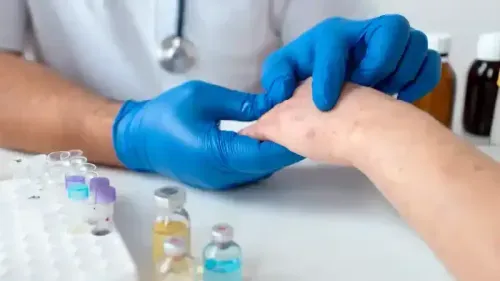
Vitamin D and Pemphigus - A Critical Connection
Pemphigus and Vitamin D - Why Deficiency Matters
Pemphigus is a rare autoimmune blistering disorder characterized by intraepidermal acantholysis, leading to flaccid blisters and erosions of the skin and mucous membranes. Out of all skin diseases, pemphigus vulgaris and pemphigus foliaceous are the kinds most likely to be seen. The body's immune system attacks desmogleins, causing painful blisters and erosions.
Even though an autoimmune disorder primarily causes pemphigus, vitamin deficiencies directly impact the disease’s severity, progression, and healing duration. Among all the vitamins, low levels of vitamin D show a strong link to pemphigus.
Role of Vitamin D in Immunity
Vitamin D is a fat‑soluble hormone precursor that plays an immunomodulatory role, influencing both innate and adaptive immune responses rather than simply strengthening immunity. It works on both the human body’s natural and acquired protection against diseases. Additionally, it enhances the ability of monocytes and macrophages to fight infections and helps reduce inflammation.
This vitamin regulates T-cell development, decreasing the function of Th1 and Th17 cells. These two cells play a crucial role in the development of this disease. Th17 cells promote skin damage and inflammation, while Th1 cells contribute to pro-inflammatory responses.
Association Between Vitamin D Deficiency and Pemphigus
The presence of vitamin D in the body is related to changes in the autoantibody production process. Pemphigus causes lesions on the skin by having autoantibodies target desmoglein-1 and desmoglein-3, resulting in detachment of the skin’s cells. Therefore, not having enough vitamin D may weaken the body’s immune system, making the autoantibody activity worse.
Mechanism Linking Vitamin D to Pemphigus
Vitamin D binds to specific Vitamin D Receptors (VDR) found in skin cells (keratinocytes) and the immune system. These regulate gene expression and encourage the growth of skin cells. Hence, if vitamin D is too low in pemphigus patients, their skin may not support healthy structure, and blistering could become worse. Additionally, vitamin D promotes the activity of Tregs, which helps reduce immune system overactivity and lower levels of IL-17 and TNF-α, both of which increase in pemphigus patients.
The other contributing nutritional deficiencies in pemphigus are the following:
- Vitamin B12 and Folate: Patients diagnosed with chronic pemphigus can face vitamin B12 and folate deficiency. Dietary changes, malabsorption, or corticosteroid side effects cause this condition. If you do not have sufficient vitamins, you may develop anaemia and mouth sores, which can exacerbate the pemphigus condition.
- Zinc: Even though zinc is not a vitamin, it has been observed to be deficient in individuals with autoimmune skin diseases. Zinc deficiency can disrupt the body's ability to regulate inflammation, assist wound healing and tune the immune response. Therefore, low zinc levels delay skin recovery and wound healing in patients with pemphigus.
Vitamin D Supplementation in Pemphigus Management
Most dermatologists recommend taking vitamin D supplementation in a measured dosage depending on their baseline serum levels. Furthermore, the patient’s condition and their reaction to the product should be regularly checked.
Taking vitamin D supplements should depend on someone’s initial blood levels. Clinicians generally aim to maintain serum 25‑hydroxyvitamin D levels ≥50 nmol/L (≥20 ng/mL) to prevent deficiency. While supplementation is used to correct deficiency, there is insufficient evidence to recommend vitamin D supplementation as a disease‑modifying treatment for pemphigus.Serum levels above 125 nmol/L (50 ng/mL) may increase the risk of adverse effects, while vitamin D toxicity is typically associated with levels exceeding 150–200 nmol/L, particularly with prolonged high‑dose supplementation.
Having low levels of vitamin D is the most significant vitamin issue in people with pemphigus. Thus, it may increase autoimmune reactions, reduce the body’s ability to heal skin wounds and help keep the disease active. Hence, carers should provide appropriate nutritional support and carefully monitor patients to avoid the side effects of medication used to treat this condition.
Also Read:
→ Alveoli Damage - Symptoms, Causes, Prevention
→ Treatment for High Vitamin B12
→ What Vitamin Deficiencies Cause Glossitis
→ Which Vegetables Have Vitamin C


Health Insurance Coverage for pre-existing medical conditions is subject to underwriting review and may involve additional requirements, loadings, or exclusions. Please disclose your medical history in the proposal form for a personalised assessment.
This FAQ page contains information for general purpose only and has no medical or legal advice. For any personalized advice, do refer company's policy documents or consult a licensed health insurance agent. T & C apply. For further detailed information or inquiries, feel free to reach out via email at marketing.d2c@starhealth.in







