





What are the Signs of Disinhibited Social Engagement Disorder
Key Signs of Disinhibited Social Engagement Disorder and its Potential Causes
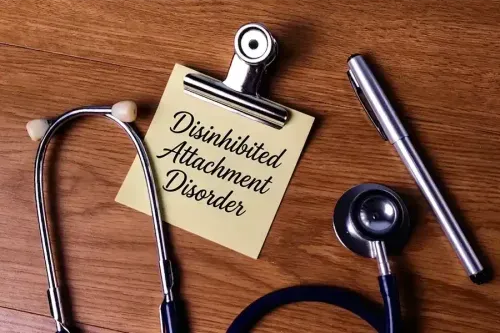
Disinhibited Social Engagement Disorder (DSED), formerly called Disinhibited Attachment Disorder, is a condition where children show an unusual lack of caution with unfamiliar adults. This can lead to impulsive, overly friendly, and unsafe behaviours. Understanding the key signs of DSED is crucial for early intervention and support. Read on to explore the common indicators of this disorder.
Understanding Disinhibited Social Engagement Disorder
Disinhibited Social Engagement Disorder is a condition typically seen in children who have experienced neglect, trauma, or inconsistent caregiving. It is marked by an inappropriate level of comfort and friendliness with unfamiliar adults, showing little hesitation or fear.
These children may seek attention from strangers or display overly familiar behaviour without understanding social boundaries. Early diagnosis and intervention are essential to help affected children develop healthy, secure attachments and navigate social interactions appropriately.
Signs of Disinhibited Social Engagement Disorder
Here is a list of signs that indicate the presence of DSED in children:
No Caution Towards Strangers
Children who have disinhibited social engagement disorder often show a pattern of reduced or absent reticence toward unfamiliar adults. For instance, they might try to hold the hands of strangers, sit on their lap, try to hug them, etc.
They showcase these behaviours towards strangers even in the presence of their primary caregivers and parents. Children with DSED frequently demonstrate inappropriate social boundaries with unfamiliar adults.
Wandering Away on Their Own
These children are also very comfortable wandering away from their parents in unfamiliar settings. For instance, these children may venture away on their own in a theme park or mall while beckoning a stranger.
Asking Too Many Personal Questions
If the child is old enough to communicate, they might end up asking strangers questions that can be considered intrusive and be a reason for embarrassment for the stranger or the parent.
Attention-Seeking Behaviour
Children with DSED might also try to hug strangers with whom they are not familiar at all. It is because these children do not have the capacity to differentiate between strangers and people they know. In older children, this condition manifests as a shallow pattern and short friendships.
Causes of Disinhibited Social Engagement Disorder
DSED can happen to children due to the following reasons:
- A Lack of nurture, care and love while growing up.
- Having negative experiences like trauma and sexual abuse.
- Absence of a parent or a primary caregiver for quite a few years while growing up.
- Growing up in an orphanage or foster care.
All of these factors can make it difficult for children to have a deeper connection with other people. This makes them behave in a carefree and over-friendly manner with strangers, as all they crave is affection.
Understanding the signs of Disinhibited Social Engagement Disorder is crucial for ensuring the safety and emotional well-being of affected children. Without appropriate care and intervention, these children may continue to struggle with forming healthy relationships.
Early support, consistent caregiving, and therapeutic guidance can make a significant difference in helping them build secure attachments and understand appropriate social boundaries, ultimately fostering healthier emotional and social development.
Disclaimer: This article is intended for informational and educational purposes only and should not be considered a substitute for professional medical, psychological, or psychiatric advice, diagnosis, or treatment. If you have concerns about a child’s emotional well-being, behavior, or development, it is strongly recommended that you seek guidance from a licensed healthcare provider, child psychologist, psychiatrist, or pediatrician. Early professional evaluation and appropriate support are essential for ensuring a child’s safety and healthy development.
Also Read:
→ Signs of Reactive Attachment Disorder
→ What Happens If Myeloma Isn't Treated
→ What is Involved In the Piles Injection Treatment


Health Insurance Coverage for pre-existing medical conditions is subject to underwriting review and may involve additional requirements, loadings, or exclusions. Please disclose your medical history in the proposal form for a personalised assessment.
This FAQ page contains information for general purpose only and has no medical or legal advice. For any personalized advice, do refer company's policy documents or consult a licensed health insurance agent. T & C apply. For further detailed information or inquiries, feel free to reach out via email at marketing.d2c@starhealth.in







