





What is a Serious Gastrointestinal Disease
Serious GI Disorders: Crohn’s, Colitis, Colon Cancer & More
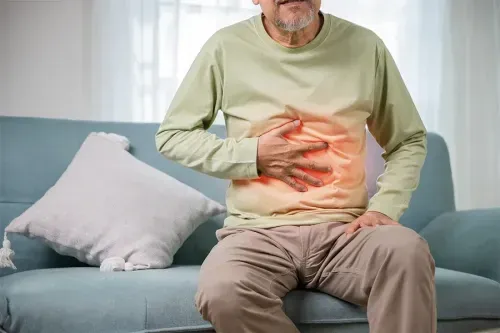
Serious gastrointestinal diseases, such as colorectal cancer, ulcerative colitis, Crohn's disease, and severe forms of gastro-oesophageal reflux disease (GERD), can significantly impact your health. Some gastrointestinal diseases exhibit symptoms without any visible irregularities in the gastrointestinal (GI) tract, while others display obvious abnormalities.
The gastrointestinal tract, also known as the GI tract, is the pathway from the mouth to the rectum, where food is broken down and absorbed in the digestive system. Some gastrointestinal problems can be easily treated, while others can lead to serious health issues.
Therefore, it’s crucial to understand the types of gastrointestinal diseases to get them identified and diagnosed correctly. Keep reading for a detailed insight.
What are the types of gastrointestinal diseases?
Gastrointestinal (GI) diseases can be acute or chronic. These diseases can be classified as either functional or structural, depending on their symptoms and underlying causes. Acute gastrointestinal (GI) diseases can occur suddenly and last for a short period, while chronic GI diseases can persist for months or even years.
Listed below are a few of the types of GI diseases:
Functional Gastrointestinal Diseases
Functional gastrointestinal diseases can cause discomfort, but they do not exhibit any visible abnormalities in the digestive tract. Functional gastrointestinal disorders include conditions such as irritable bowel syndrome (IBS), functional constipation, and functional diarrhoea. Here are some common causes of these diseases:
- Consuming a low-fibre diet or highly processed foods.
- Not getting enough physical exercise.
- Changes in the typical daily routine due to travelling or stress.
- Side effects of certain medicines.
- Stress and anxiety
- Hormonal changes due to pregnancy or menstruation.
- Consuming food that irritates your digestive tract. This could be food you're allergic to.
Some functional gastrointestinal symptoms may resolve spontaneously, but many functional disorders are chronic and require long‑term symptom management. They can also be managed through lifestyle adjustments, such as consuming a fibre-rich diet, engaging in regular physical exercise, managing stress, and avoiding known allergens.
Structural Gastrointestinal Diseases
These complex diseases can cause severe symptoms that may persist for an extended period. They will exhibit noticeable irregularities in your digestive system, such as inflammation or obstructions. Conditions like haemorrhoids, colon polyps, and inflammatory bowel disease (IBD) are categorised as structural gastrointestinal diseases.
What are the Common Serious Gastrointestinal Diseases?
A few of the severe gastrointestinal disorders are listed below:
- Haemorrhoids: These refer to the swelling caused in the veins of the anus or rectum due to excess straining during bowel movements. Avoiding constipation and following a fibre-rich diet can help reduce the strain in the anus or rectum. In case of large, painful, and persistent haemorrhoids, doctors may perform surgery to remove them, and, in most cases, haemorrhoids are managed conservatively or with office‑based procedures.
- Diverticular Disease: When small pouches, known as diverticula, appear in the walls of the large intestine, it is called diverticulosis. They can become infected and develop diverticulitis, which can result in bowel obstruction and bleeding. Diverticulitis can be managed by increasing fibre intake and taking prescribed antibiotics, and, in severe cases, the doctor may recommend surgery.
- Colon Polyps and Colon Cancer: Colon polyps, mostly benign, are non-cancerous growths in the tissue lining of the colon and rectum. Adenomatous polyps and certain serrated polyps are leading cause of colorectal cancer, which is one of the most common cancers worldwide. Colon cancer can be detected through colonoscopy screenings, even before symptoms appear. Early detection is essential in curing colon cancer.
- Colitis: Colitis refers to several conditions that cause irritation and inflammation of the bowel. Diarrhoea, rectal bleeding, and abdominal cramps are a few symptoms of this condition. It may also indicate a pressing and regular requirement to relieve oneself. Ulcerative colitis and Crohn's disease are the two prevalent forms of colitis.
- Ulcerative Colitis: It primarily affects the large intestine, causing chronic inflammation. It can lead to abdominal cramps, blood in stool, diarrhoea, and a persistent urge to pass stool even when the bowel is empty.
- Crohn’s Disease: It causes chronic inflammation and irritation of the bowel, mainly affecting the ends of the small and large intestines. It may result in cramps, diarrhoea, weight loss, and rectal bleeding.
- Coeliac Disease: It is an allergic reaction to gluten (the protein found in wheat and grains), which irritates the digestive tract, causing cramps, gas, and bloating. It is an autoimmune disorder in which the immune system mistakenly attacks gluten when it is present in the small intestine. Untreated coeliac disease can cause intestinal damage, which is often reversible with a strict gluten‑free diet, though delayed diagnosis may lead to complications.
- Gastro-oesophageal Reflux Disease (GERD): GERD is also known as acid reflux, which causes stomach acid to move back up into the oesophagus and throat. It causes a burning sensation and feels like a sore throat. Adjustments in eating habits and medicines help manage GERD. In selected cases where medical therapy fails or complications arise, surgical options may be considered.
- Barrett’s Oesophagus: Chronic acid reflux, also known as gastro-oesophageal reflux disease (GERD), can lead to Barrett's oesophagus, a condition in which the lining of the oesophagus changes. The lining of the oesophagus becomes similar to that of the small intestine. It can increase the chances of oesophageal cancer.
GI diseases can cause irritable symptoms and lead to chronic discomfort, affecting the quality of your life. Attempts to reduce the risk of gastrointestinal diseases will ultimately benefit in the long term. Consuming nutrient-rich foods, following an exercise routine, and managing stress are effective ways to reduce the risk of serious gastrointestinal diseases.
Also Read:
→ How to Check for Infection in the Intestine
→ What is an Intestinal Obstruction
→ How Serious is a Nasal Polyp


Health Insurance Coverage for pre-existing medical conditions is subject to underwriting review and may involve additional requirements, loadings, or exclusions. Please disclose your medical history in the proposal form for a personalised assessment.
This FAQ page contains information for general purpose only and has no medical or legal advice. For any personalized advice, do refer company's policy documents or consult a licensed health insurance agent. T & C apply. For further detailed information or inquiries, feel free to reach out via email at marketing.d2c@starhealth.in







