





What is GERD Disease?
Gastroesophageal reflux disease (GERD): Key Symptoms & Diagnosis
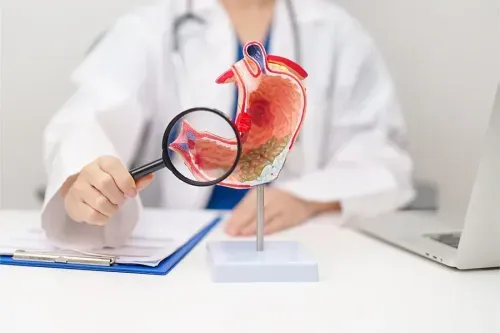
Gastroesophageal reflux disease (GERD) occurs in individuals when stomach acid flows backwards into the oesophagus. This causes heartburn, a typical burning sensation in the chest, which is commonly referred to as acid reflux.
GERD is a chronic disease that has the potential to damage one's oesophagus tissues over a long period.
Read more about what is GERD disease, how to identify it, its symptoms, and more details.
How to Identify GERD or Acid Reflux?
When you eat, your stomach is supposed to move the food downwards. However, if the stomach acid starts flowing backwards into your oesophagus, you are bound to feel it. Consequently, the stomach acid burns and irritates the inner layers of your oesophagus. Almost every individual has developed acid reflux occasionally.
After meals, it typically causes the sensation of burning stomach pain or can even cause chest pain toward the sternum. Gastroesophageal reflux disease, on the other hand, is a chronic condition characterized by persistent, recurring acid reflux, causing intermittent and continuous irritation of the oesophagus at least twice a week for several weeks.
What are the Symptoms of GERD?
A few common symptoms of GERD are given below:
- Backwash: Some individuals may experience regurgitation—a sour or bitter-tasting backflow of stomach contents into the throat.
- Burning Feeling: The burning sensation caused by stomach acid irritating the oesophagus is known as heartburn, which is typically felt in the chest. Other forms of upper abdominal discomfort related to reflux are often grouped under dyspepsia (indigestion).
- Sore Throat: If the acid comes into the throat often, it will eventually make it soar. As a result, the affected individuals may feel like it’s difficult to swallow or as if there is a lump inside. This type of sensation is common at night for people experiencing GERD.
- Noncardiac Chest Pain: A few people experience mild chest pain that does not necessarily feel like a chest burn. As the oesophagus and heart share nerve pathways, pain originating in the oesophagus can feel like heart pain.
- Nausea: Acid backwash can contribute to a loss of appetite and may cause an urge to vomit. Thus, even if you ate several hours ago, you may feel like your stomach has more food to digest.
The symptoms of GERD can worsen when:
- You are lying down at night
- You bend over after a meal
- You consume a large meal
- You drink alcohol or smoke
Severe chest pain, vomiting, or shortness of breath are symptoms that warrant an immediate call to your doctor. In addition, you should consider visiting a well-qualified gastroenterologist if you frequently experience acid reflux symptoms, such as a sour taste in the mouth or heartburn.
How is GERD Diagnosed?
To start the diagnostic procedure, first, make an appointment with a doctor and share your symptoms. Next, your healthcare provider will recommend some diagnostic examinations, including:
- Endoscopy: A flexible, camera-equipped tube is carefully inserted down your throat, allowing the doctor to inspect the lining of your stomach and oesophagus visually. If the doctor feels a genuine need, they can also recommend a biopsy while performing an endoscopy.
- pH Monitoring: The experts gauge levels of stomach acid inside your oesophagus.
- Motility Testing: Oesophageal manometry evaluates how well the esophagus contracts and moves food downward. It is not used to diagnose GERD, but rather to assess esophageal motility disorders and is often required before surgical treatment of GERD.
After the necessary tests, if the medical team finds that you have gastroesophageal reflux disease, then a specific treatment course is selected to ensure your relief. Proton pump inhibitors (PPIs) are highly effective in reducing stomach acid and healing most cases of erosive esophagitis. However, GERD is often a chronic condition, and symptoms may return when medication is stopped if the underlying factors (such as LES dysfunction) remain.
Lifestyle Changes for Gastroesophageal Reflux Disease
Following healthy lifestyle habits can help minimise the recurrence of acid reflux. Some simple, practical lifestyle tips are listed below:
Do not lie down on the bed for at least two hours after a meal or after drinking acidic beverages, such as caffeinated beverages.
Identify and avoid trigger foods, such as spicy dishes, citrus fruits and juices, chocolate, caffeine, and fatty and deep-fried foods.
While sleeping, elevate the head of your bed by 6-8 inches using bed risers or a wedge placed under the mattress. This uses gravity to reduce night-time reflux more effectively than stacking pillows, which can bend the body and worsen symptoms.
Maintaining a healthy weight helps decrease strain on the stomach, thereby reducing the chances of acid reflux.
Stress management techniques such as deep breathing exercises, yoga, or meditation can be beneficial as they help reduce the risk of GERD symptoms.
Wear loose-fitting cotton clothes to ease pressure on the stomach, which can worsen heartburn and reflux.
GERD is generally not life-threatening; however, long-term untreated GERD can lead to complications such as oesophagitis, strictures, Barrett’s esophagus, or respiratory issues. In severe or medication‑resistant cases, surgical or endoscopic treatments (such as fundoplication or magnetic sphincter augmentation) may be considered to strengthen the lower oesophageal sphincter (LES).
Also Read:


Health Insurance Coverage for pre-existing medical conditions is subject to underwriting review and may involve additional requirements, loadings, or exclusions. Please disclose your medical history in the proposal form for a personalised assessment.
This FAQ page contains information for general purpose only and has no medical or legal advice. For any personalized advice, do refer company's policy documents or consult a licensed health insurance agent. T & C apply. For further detailed information or inquiries, feel free to reach out via email at marketing.d2c@starhealth.in







