





World Malaria Day 2026: Scientific Breakthroughs Saving Lives
World Malaria Day 2026: The Blueprint for a Malaria-Free World
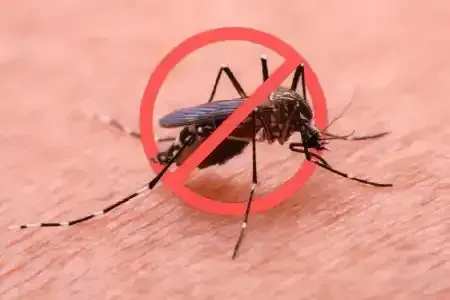
For centuries, mosquitoes have been one of humanity’s biggest enemies. They spread malaria, a disease that has taken lives, slowed economies, and hurt families. But today, things are changing. On World Malaria Day 2026, the global conversation has evolved from managing a persistent threat to a groundbreaking, realistic goal.
A Historic Turning Point: Why Malaria Awareness 2026 Matters
Malaria awareness in 2026 is defined by unprecedented hope. The World Health Organization (WHO) reports that science is advancing faster than ever before. We are not just defending ourselves against malaria anymore—we are making progress toward stopping it completely. We are actively turning the tide. This year's focus goes beyond the immediate dangers of the illness. It serves as a celebration of the tangible, cutting-edge progress that is actively saving lives today. The narrative has moved from despair to determined optimism.
The Science of Survival: Vaccines, Nets, and New Tools
The days of relying solely on basic repellents and hoping for the best are behind us. We are currently witnessing a global revolution in malaria control tools. Today, 25 countries are successfully rolling out malaria vaccines. T Imagine the profound relief a parent feels knowing their child is shielded from a disease that has haunted their community for generations.
The physical barriers we use to protect our families have also evolved significantly. Next-generation mosquito nets, treated with advanced formulas designed to combat insecticide resistance, now account for a (WHO). The scientific innovation continues to accelerate. Researchers are currently developing pioneering technologies like long-acting injectables and the genetic modification of mosquitoes. These advancements fundamentally alter how we approach long-term eradication and community protection.
The Power of a Shared Goal: United Against Malaria
The global fight requires more than laboratory victories. The World Health Organization's 2026 rallying cry, "Driven to End Malaria: Now We Can. Now We Must," perfectly frames our mission. "Now We Can" celebrates our unprecedented scientific arsenal of advanced vaccines and resilient bed nets. "Now We Must" is the urgent moral obligation to deploy them universally.
Technology alone cannot win the battle. As the WHO notes, nationally coordinated programmes remain the true drivers of sustainable change.
Consider a rural health worker equipped with the latest rapid diagnostic tests. She relies on robust national funding and the deep trust of her local community. That unbroken chain of trust and resources illustrates what unity truly means in practice.
It requires governments, research scientists, local health workers, and everyday citizens operating in total synchronicity. A victory in a laboratory only matters if the treatment reaches the village safely.
Recognising the Threat: Key Malaria Symptoms
Despite the incredible progress in laboratories and clinics, early diagnosis remains our strongest frontline defence. The parasite operates swiftly once it enters the bloodstream. Recognising malaria symptoms early can mean the difference between a quick outpatient recovery and a severe medical emergency.
The earliest signs often mimic a severe bout of the flu. Look out for the following specific indicators:
- Cyclic Fevers: High temperatures that often come and go in distinct, predictable cycles.
- Severe Chills and Sweating: Patients frequently experience severe, shaking chills followed by profuse sweating as the fever breaks.
- Body Aches and Fatigue: Deep muscle aches, profound physical exhaustion, and debilitating headaches are incredibly common.
- Gastrointestinal Distress: Nausea and vomiting also occur frequently in patients of all ages.
If you or a family member experiences these signs, particularly after travelling to or living in a known high-risk area, prioritise timely testing to ensure a swift medical response. Effective recovery depends on being prepared with access to quality healthcare and financial support to manage treatment without added strain.
Shielding Your Family: Practical Malaria Prevention
While global vaccines are rolling out across continents, everyday malaria prevention remains an absolute necessity for individual households. Think of prevention as building an invisible fortress around your home.
- Sleep securely every single night: Always use an insecticide-treated bed net. Ensure it has no tears and is tucked in securely under the mattress to prevent any gaps.
- Clear the perimeter of your property meticulously: Mosquitoes breed rapidly in stagnant water. Regularly empty plastic buckets, dry out plant pots, and clear blocked roof gutters before the rainy season begins.
- Protect your skin when outdoors: Use approved insect repellents containing active ingredients like DEET or Picaridin. This habit is particularly important during dusk and dawn when vector mosquitoes are most actively feeding.
- Dress defensively: Wear light-coloured, long-sleeved clothing if you must be outdoors during peak hours.
Beyond the Bite: Mosquito-borne Diseases Awareness
By protecting your home against malaria, you are also building a shield against a host of other serious health threats. Robust mosquito-borne diseases awareness means understanding the broader environmental risks. The same stagnant pools of water that breed malaria-carrying Anopheles mosquitoes can also host the vectors for dengue, chikungunya, and Zika viruses. Collective hygiene and community-led clearing drives protect the entire neighbourhood. These united actions multiply the impact of your individual household efforts.
Frequently Asked Questions
It is a globally recognised day of action, observed annually on 25 April. The event is dedicated to highlighting the ongoing global efforts to control, treat, and ultimately eradicate malaria worldwide.
The official theme is "Driven to End Malaria: Now We Can. Now We Must." "Now We Can" highlights our unprecedented scientific tools, while "Now We Must" serves as an urgent call for immediate global action to deploy them and save lives.
Anyone can contract the disease. However, pregnant women, infants, children under five, and travellers arriving from malaria-free areas are exceptionally vulnerable to severe and life-threatening complications.
Do not wait for symptoms to resolve on their own. If you experience signs like high, cyclic fevers and severe chills, visit a healthcare professional immediately for a rapid blood test. Early treatment is highly effective and saves lives.
You can contribute locally by maintaining a strictly mosquito-free environment in your home. Share accurate information about symptoms and prevention on your social networks. Support global health organisations that distribute life-saving vaccines and next-generation nets.
Health Insurance Coverage for pre-existing medical conditions is subject to underwriting review and may involve additional requirements, loadings, or exclusions. Please disclose your medical history in the proposal form for a personalised assessment.
Information on this Health Information page is for educational purposes and not medical advice. Consult a healthcare professional for any health issues and rely on their guidance for diagnosis and treatment. T & C apply. For further detailed information or inquiries, feel free to reach out via email at marketing.d2c@starhealth.in







