

Health Insurance for Mechanics
Health Insurance for Mechanics: Why it Matters and How to Choose the Right Plan
Mechanics play a vital role in keeping our vehicles and machines running smoothly. The work is demanding, with long hours, heavy lifting, and daily risks. Yet many mechanics in India delay getting health insurance or choose only basic plans. This can lead to higher costs later. Health insurance is not just a bonus for mechanics; it is an essential safety net that protects both your health and your finances.
This article explains why health insurance is important for mechanics, the health risks you may face, and how to choose the right plan for yourself and your family.
The Nature of a Mechanic’s Job
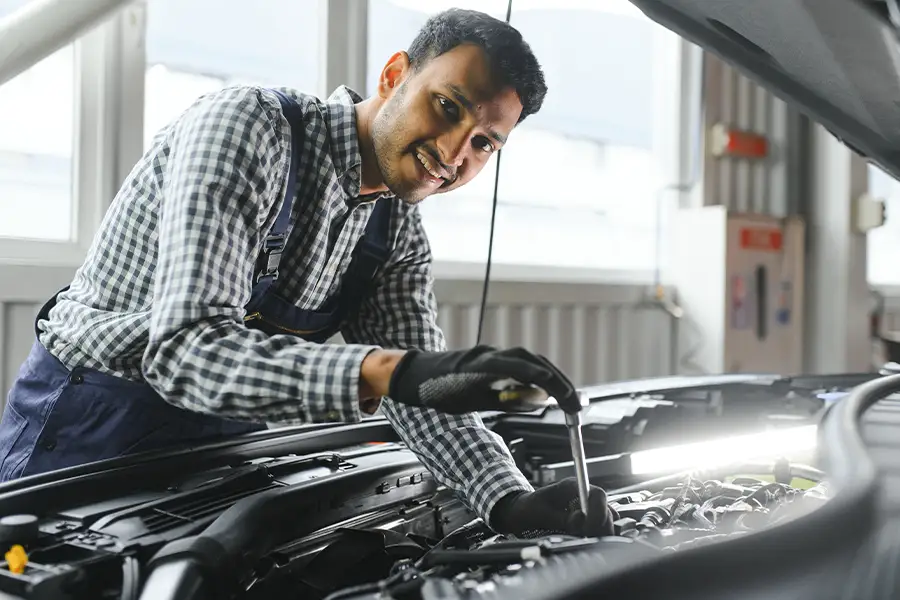
Working as a mechanic involves using your hands and doing a lot of physical work each day. You may need to lift heavy parts, fit into tight spaces, and use sharp tools, all while dealing with oil, grease, and fumes. Many mechanics work in small garages where safety equipment is not always provided. With long hours, missed meals, and little rest, health problems can build up over time.
Most mechanics are self-employed or work in small shops, so it is rare to get health benefits from an employer. This makes having your own health insurance even more important.
Common Health Risks Faced by Mechanics
Mechanics often face certain health risks, making good medical coverage very important.
Injuries are a major concern. Cuts, burns, fractures, and muscle strains can happen easily when working with tools and heavy parts. Even a minor accident can lead to a hospital visit and time off work, which affects your income.
Breathing problems are also common. Daily exposure to dust, exhaust, paint fumes, and chemicals can harm your lungs. Skin issues like rashes and allergies often happen because of frequent contact with oils and solvents.
Years of bending, kneeling, and standing for long hours can lead to joint pain and back problems. Stress, missed meals, and lack of exercise can also cause health issues like high blood pressure and diabetes.
Without insurance, paying for medical treatment can quickly use up your savings.
Why Health Insurance is Essential for Mechanics
Health insurance helps you avoid the stress of large medical bills. Hospital costs in India rise every year. Even a minor injury at a private hospital can cost tens of thousands of rupees, and serious illnesses or surgeries are even more expensive.
A good health insurance plan covers hospital stays, doctor visits, medicines, and sometimes tests. This lets you focus on recovery instead of worrying about bills.
Health Insurance also helps protect your income. If you become sick or injured, you may not be able to work for some time. Having insurance or medical savings can help you cover household expenses while you recover.
Key Features Mechanics Should Look For
Choosing the right health insurance plan is important. Mechanics should look for features that match their job risks and also meet their family’s needs.
Start by checking the sum insured. What seems like enough coverage today may not be enough in a few years as medical costs rise. Choosing a reasonable amount now means you will not have to compromise on treatment later.
Cashless hospitalisation is another useful feature. It allows you to get treatment at network hospitals without paying the full amount upfront, which is very helpful in emergencies.
Accident and injury coverage is essential for mechanics. Some health plans include this, while others require you to add it separately. Always check this before buying a plan.
Make sure your policy also covers daycare procedures. Many treatments now do not require long hospital stays, so having this coverage is helpful.
Remember to check if your plan covers pre and post-hospitalisation expenses. Doctor visits, medicines, and tests before and after a hospital stay can add up fast. Plans that cover these costs help you save money.
Individual Plans vs Family Floater Plans
You can choose either an individual health insurance plan or a family floater plan.
An individual plan covers only one person. It is a good option if you are single or if your family already has coverage.
A family floater plan covers you, your spouse, your children, and sometimes your parents under one sum insured. This option is usually more affordable for families and easier to manage, with just one renewal date.
If you have dependents, a family floater plan offers peace of mind by protecting your whole family.
The Importance of Waiting Periods and Exclusions
All health insurance policies have waiting periods. Pre-existing illnesses are usually covered only after a few years, and some treatments have their own waiting times as well.
It is important to read these details carefully. Choosing a plan with shorter waiting periods can be very helpful, especially if you already have health issues.
Exclusions are conditions or treatments that are not covered by your policy. Knowing these exclusions helps you avoid surprises when making a claim.
Affordability and Premium Planning
Cost is a major concern for many mechanics, especially if your income varies by each day. The good news is that health insurance is available for every budget.
To lower your premium, you can choose a higher deductible or co-payment. Paying your premium once a year instead of monthly can also help you save money.
However, do not reduce your coverage too much just to save on premiums. A cheaper plan with less coverage can cost you more if a medical emergency happens.
Tax Benefits as an Added Advantage
Health insurance premiums provide tax benefits under Indian tax laws. Mechanics who file income tax returns can claim deductions on premiums paid for themselves and their families. This makes health insurance financially beneficial in several ways.
Tips to Buy the Right Health Insurance
Before buying a policy, consider your health needs and family size. Compare plans based on their coverage, benefits, and how simple the claim process is.
Always read the policy documents carefully so you know exactly what you are getting. You can also use online comparison sites to review different plans in one place.
Buying insurance at a younger age is always a good idea. Premiums are lower, and waiting periods finish sooner.
Final Thoughts
For mechanics, health insurance is not only about medical care. It also means financial stability, family security, and peace of mind. Because of the physical risks in this job, having good health coverage is a smart and responsible choice.
The right health insurance plan ensures that an illness or injury does not become a financial problem. By understanding your risks and choosing the right policy, you can protect your health, your work, and your future with confidence.
FAQs
People Also Search For
Health Insurance Coverage for pre-existing medical conditions is subject to underwriting review and may involve additional requirements, loadings, or exclusions. Please disclose your medical history in the proposal form for a personalised assessment.
The information provided on this page is for general informational purposes only. Availability and terms of health insurance plans may vary based on geographic location and other factors. Consult a licensed insurance agent or professional for specific advice. T&C Apply. For further detailed information or inquiries, feel free to reach out via email at marketing.d2c@starhealth.in