





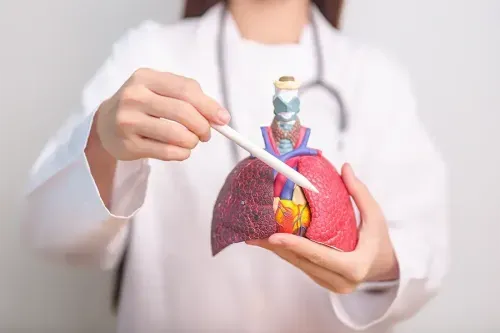
What is the Aorta and What Conditions Necessitate Surgery?
Understanding the Aorta: Structure, Disorders, and Surgical Needs
The aorta is the largest and most vital artery in the human body, responsible for transporting oxygen-rich blood from the heart to the rest of the body. Aortic surgery becomes necessary when this artery is damaged or diseased, to prevent life-threatening complications and restore proper blood flow and function.
What is the aorta?
The aorta is the largest artery in your body, which carries oxygen-rich blood from your heart to the rest of your body. This is a complex structure with three layers of tissues, which include:
- Inner Layer (Tunica Intima): Blood flows through this tube across your entire body, and it contains connective tissues, endothelial cells, and subendothelial connective tissue. These cells facilitate efficient blood flow and help regulate vascular tone and permeability while maintaining the integrity of the vessel wall.
- Middle Layer (Tunica Media): This middle layer is made up of elastin, smooth muscle tissue, and collagen proteins. These macromolecules enable your entire aorta to meet the changes in blood flow needs within your body. The elastic properties of the tunica media allow the aorta to expand during systole and recoil during diastole, helping maintain continuous blood flow and stable blood pressure.
- Outer Layer (Tunica Adventitia) : This outer layer connects with the nearby nerves and tissues and helps in anchoring your aorta at the proper place and position. It ensures that the aorta reaches every organ and enables them to function properly.
Conditions that Can Affect the Aorta and May Require Surgery
Diseases or defects in the aorta can reduce its function and ability to work properly. Certain conditions can affect the aorta and impede its ability and function. Sometimes, in severe conditions, these defects may require surgery. These include:
1. Aortic Valve Disease
These are some of the diseases related to defects in the aortic valve:
- Aortic Regurgitation: The aortic valve fails to close and open properly to your left ventricle. This causes blood to flow back into your heart instead of flowing to other regions of your body.
- Aortic Stenosis: In this condition, the aortic valve becomes stiff and narrow, and this limits blood flow to your entire body.
- Bicuspid Aortic Valve Disease: Mainly, the aortic valve has three leaflets, but in this condition, the patient possesses only two leaflets. This may present during birth, but it shows symptoms after entering adulthood.
2. Aneurysms, Ruptures, and Dissection
Common conditions that can affect your aorta include:
- Dilated Aortic Root: In this condition, the root of your aorta becomes abnormally wide.
- Abdominal Aortic Aneurysm: When the aorta passes through your abdominal region, a weak bulge spot occurs.
- Aortic Rupture(Aortic Dissection): This occurs when a tear in the inner layer of the aorta allows blood to separate the layers of the vessel wall. Aortic rupture is a complete tear of all layers, resulting in life‑threatening bleeding.
3. Heart Defects during Birth
Certain congenital heart diseases can affect the aorta, including:
- Hypoplastic Left Heart Syndrome (HLHS): It is a combination of heart defects that affects the left side of your heart. HLHS children have an aorta that cannot function properly.
- Interrupted Aortic Arch: It is an extremely rare condition in which the aorta does not develop properly. This condition affects blood flow out of the body and requires immediate surgery and treatment after birth.
- Patent Ductus Arteriosus (PDA): The opening between the aorta and pulmonary artery does not close properly after birth. It is a serious condition and requires immediate surgery or medical attention, as it causes the flow of oxygen-rich blood to the lungs.
The aorta is essential for delivering oxygen-rich blood throughout the body. When damaged by disease, congenital defects, or injury, surgery may be vital to restore its function and prevent serious complications. Timely intervention can save lives and improve overall cardiovascular health.
Reader Information: This article is intended for general informational and educational purposes only. Aortic conditions and their management vary depending on a person’s age, overall health, severity of disease, and other medical factors. You have to seek guidance from a qualified healthcare provider for diagnosis, treatment decisions, or any health-related concerns.
Also Read:
→ Atypical Sensory Experiences in Multiple Sclerosis
→ Can Hepatitis B Cause Blurred Vision
→ Can IgA Nephropathy be Cured


Health Insurance Coverage for pre-existing medical conditions is subject to underwriting review and may involve additional requirements, loadings, or exclusions. Please disclose your medical history in the proposal form for a personalised assessment.
This FAQ page contains information for general purpose only and has no medical or legal advice. For any personalized advice, do refer company's policy documents or consult a licensed health insurance agent. T & C apply. For further detailed information or inquiries, feel free to reach out via email at marketing.d2c@starhealth.in







