





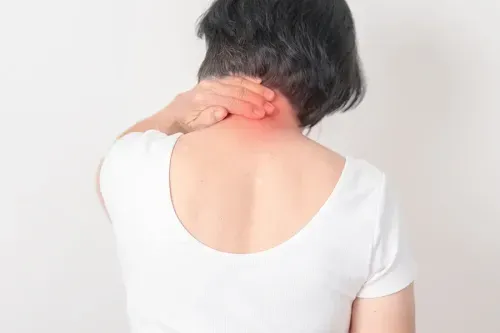
How to Prevent Spondylosis?
Preventing Spondylosis: Effective ways Explained
Spondylosis is a word used for general wear and tear of the disks, bones, and joints in your neck or spine. Degenerative changes of the spine are common with aging, and imaging studies show that a large proportion of people over 60 have features of spondylosis, often without symptoms. It may affect people of any age with some conditions, such as heavy-duty workers, athletes, and smokers.
Additionally, spondylosis may be asymptomatic in many individuals, but in some cases it can cause neck or back pain, stiffness, or neurological symptoms. Thus, many people do not realize that they are affected by this medical condition until the advanced stages. However, in certain cases, individuals may experience pain in their back and neck impacting their quality of life.
Hence, adopting preventive measures for spondylosis is the most ideal way to keep this medical condition at bay. Keep reading for detailed insight.
5 Ways to Prevent Spondylosis
Given below are the five best ways to prevent spondylosis:
1. Improve your Posture
Posture is one of the easiest lifestyle changes you can adopt to prevent spondylosis. Slouching and bad spinal posture cause undue strain on your spinal joints and discs, which can speed up wear and tear.
Posture Tips:
- Sit with good posture and loose shoulders and back.
- Position the computer monitor at the same level as your eyes.
- Don't sit for extended periods; stand up every 30-45 minutes.
- Sleep with the support of a pillow to keep the neck in its rightful position.
2. Exercise & Stay Active
A sedentary lifestyle will condition spine-associated muscles to weaken and stiffen. Low-impact exercises will help to strengthen muscles that support the spine and help increase mobility.
Exercise Suggestions:
- Walking & Swimming: Can enhance the circulation of blood around the spine.
- Yoga or Pilates: Enhances the flexibility and strength of your core.
- Stretching: Helps in eliminating stiffness from the body.
3. Maintenance of a Healthy Weight
Gaining weight, especially around the waistline, puts more strain on your lower back and spinal discs. This causes your spine to weaken at a quicker pace, resulting in chronic backaches. In fact, this speeds up spinal degeneration, thereby causing chronic pain.
Habits for Healthy Weight Maintenance:
- Follow a healthy diet rich in calcium and vitamin D.
- Reduce the consumption of sugary drinks and fast foods.
- Be physically active to have a healthy BMI.
4. Reduce Strain on the Spine
Repetitive motion, heavy lifting, or long-term bending can stress the spine, increasing the risk of disc degeneration and joint stiffness.
Spine Safety Tips:
- Lift heavy objects with your legs, not your back.
- Avoid repetitive twisting or bending.
- Use an ergonomic work surface to minimize strain.
5. Early Medical Care
If you are experiencing continuous back pain, stiffness, or numbness, it is time to see a spine specialist. Some non-surgical therapies, such as supervised physical therapy and medically guided traction, may help relieve symptoms in selected patients, although evidence for non-surgical spinal decompression devices remains limited.
Benefits of Spinal Decompression:
- Spinal flexibility and alignment will improve.
- Pressure on bulging discs will reduce.
- Increased nutrient blood supply to spinal tissues will aid in faster recovery.
Spondylosis is increasing nowadays in individuals, mainly because of a poor lifestyle. Common symptoms to look out for are numbness, tingling, or persistent neck, back and limb pain that worsens or does not improve.
Your neck and spine can be safeguarded by taking preventive steps through routine exercise, good posture, and weight control. Conservative treatments such as exercise therapy, posture correction, and pain management may help reduce symptoms and improve function, but they do not reverse degenerative changes. Make smart lifestyle choices today to safeguard your health and mobility for tomorrow.
Reader Information: This article is intended for general informational and educational purposes only and does not constitute medical advice, diagnosis, or treatment. Spondylosis and other spine-related conditions can vary significantly from person to person. If you experience persistent neck or back pain, stiffness, numbness, weakness, or worsening symptoms, seek prompt medical attention for accurate diagnosis and appropriate care.
Also Read:
→ How to Prevent Vertigo Attacks
→ How to Remove Earwax Blockage Fast


Health Insurance Coverage for pre-existing medical conditions is subject to underwriting review and may involve additional requirements, loadings, or exclusions. Please disclose your medical history in the proposal form for a personalised assessment.
This FAQ page contains information for general purpose only and has no medical or legal advice. For any personalized advice, do refer company's policy documents or consult a licensed health insurance agent. T & C apply. For further detailed information or inquiries, feel free to reach out via email at marketing.d2c@starhealth.in







