





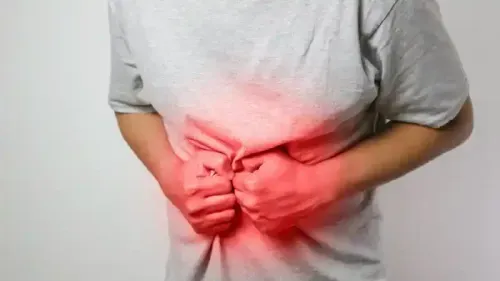
How to Relieve Gas Pain?
Effective Ways to Relieve Gas Pain
Gas is a normal part of digestion, and burping or passing it helps release the excess gas in the body. In this regard, gas pain occurs when gas gets trapped or doesn’t move properly. Certain foods can cause more gas, but simple diet changes can help reduce discomfort.
Trapped gas can sometimes cause chest discomfort; however, any new, severe, or unexplained chest pain should be evaluated urgently by a healthcare professional, as it may indicate serious conditions such as heart disease. However, if you have other symptoms, it’s important to find out the cause.
Keep reading to learn how to relieve gas, its causes, and effective ways to prevent it.
Symptoms of Trapped Gas
Trapped gas can cause discomfort or pain in different parts of your body, including your belly, back, sides, or chest. It may feel like:
- Bloating or fullness in the stomach.
- Pressure in the chest or back.
- Sharp or mild abdominal pain.
Gas pain can sometimes feel like a more serious condition, such as gallstones or heart attacks. If you're unsure, consult a doctor immediately.
Causes of Gas Pain
Gas is a normal part of digestion, but excess gas or pain can occur due to:
- Swallowing Too Much Air: Eating too fast, chewing gum, or smoking can trap air in your stomach.
- Infections: Bacterial overgrowth in the intestines can also lead to more gas, weight loss, or diarrhoea.
- Gas-producing Foods: Beans, onions, potatoes, apples, and high-fiber foods can cause gas. Sulphur-rich foods like broccoli and cabbage may cause smelly gas.
- Digestive Conditions: Irritable Bowel Syndrome (IBS), lactose intolerance, celiac disease, and constipation can slow digestion, leading to gas pain.
- Certain Medications: Some medicines can also slow digestion, allowing gas to build up.
While gas is usually harmless, persistent discomfort may require medical attention.
Home Remedies to Reduce Gas Pain
Here are some of the effective home remedies to provide relief from trapped gas and its pain:
- Let it Out: Holding in gas can cause pain and discomfort, so try to release it when possible.
- Pass Stool: Having a bowel movement can help remove trapped gas from the intestines.
- Eat Slowly: Chewing food well and eating at a relaxed pace can prevent swallowing excess air.
- Avoid Chewing Gum: Chewing gum makes you swallow air, which can lead to gas and bloating.
- Skip Straws: Drinking from a straw can trap air in your stomach, increasing gas build-up.
- Quit Smoking: Smoking can even cause you to swallow air, which can lead to bloating and digestive discomfort.
- Choose Non-carbonated Drinks: Sodas and sparkling water can also introduce extra gas into your stomach.
- Avoid Trigger Foods: Items such as dairy, beans, high-fiber items, and certain vegetables can cause gas.
- Drink Herbal Tea: Peppermint, chamomile, and ginger tea can help with digestion and even reduce gas.
- Try Fennel Seeds: Fennel seeds may aid digestion and also relieve bloating when added to meals or chewed after eating.
- Take Peppermint Supplements: Peppermint oil capsules can help with gas, but they should be enteric-coated to prevent heartburn.
- Exercise: Activities such as yoga or walking can help move gas through your digestive system.
- Practice Deep Breathing: Controlled breathing can relax the digestive system, but too much air intake may worsen gas.
- Check for Digestive Issues: Persistent gas pain may indicate conditions such as IBS, Inflammatory Bowel Disease (IBD), or lactose intolerance, requiring medical attention.
If gas pain continues or worsens, consult a doctor for proper diagnosis and treatment.
Diagnosing Gas and Gas Pain
Your doctor will try to find the cause of your gas pain and discomfort by:
- Review your medical history.
- Checking your diet and eating habits.
- Listening to your stomach with a stethoscope to assess digestion.
- Performing a physical exam, pressing on your abdomen to check for abnormalities or tenderness.
If you have other symptoms like weight loss, diarrhoea, or blood in your stool, additional tests may be required.
Treatment for Gas and Its Pain
If gas pain is caused by another condition, treating that issue may help. Otherwise, gas can usually be managed with diet changes, lifestyle adjustments, or over-the-counter (OTC) medications. Finding the right solution may take some trial and error, such as:
1.Dietary Changes
- Track foods to identify gas triggers.
- Limit dairy or try lactose-free options.
- Reduce high-fiber foods such as beans, cabbage, and whole wheat, then reintroduce them gradually.
- Drink plenty of water to support digestion and prevent constipation.
- Avoid fried foods, sugar substitutes, and carbonated drinks.
2.Over-the-Counter Remedies
- Alpha-galactosidase helps digest carbs in veggies and beans.
- Lactase aids lactose digestion.
- Simethicone may help gas pass more easily.
These treatments can help manage gas. However, it is essential to consult a doctor if symptoms persist or worsen.
Trapped gas can be uncomfortable, but simple remedies can provide quick relief. You should consult a doctor if gas pain is severe or comes with constipation, fever, diarrhoea, weight loss, or rectal bleeding. Frequent gas, bloating, or digestive issues may be a sign of food sensitivity or other medical conditions.
Reader Information: This article is intended for general informational and educational purposes only and should not be considered medical advice, diagnosis, or treatment. Gas and digestive discomfort can have multiple causes, and symptoms may vary from person to person. Remedies and suggestions mentioned in this article may not be suitable for everyone. Always consult a qualified healthcare professional before trying any new remedy, supplement, or treatment, especially if you have chronic digestive symptoms, underlying medical conditions, are pregnant, or are taking medications.
Also Read:
→ How to Relieve Upper Stomach Pain Immediately
Popular Topics
People Also Search For


Health Insurance Coverage for pre-existing medical conditions is subject to underwriting review and may involve additional requirements, loadings, or exclusions. Please disclose your medical history in the proposal form for a personalised assessment.
This FAQ page contains information for general purpose only and has no medical or legal advice. For any personalized advice, do refer company's policy documents or consult a licensed health insurance agent. T & C apply. For further detailed information or inquiries, feel free to reach out via email at marketing.d2c@starhealth.in







