





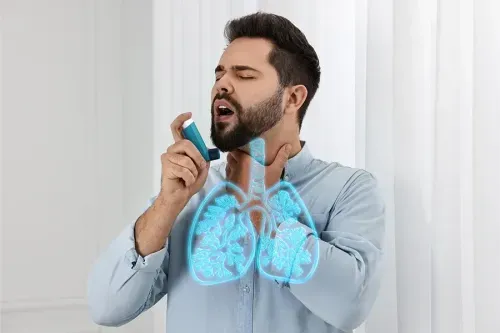
Is Asthma an Allergy?
Does Asthma Come from Allergies? Exploring the Causes
Asthma is a chronic respiratory disease characterized by airway inflammation and narrowing, which produces symptoms of wheezing, coughing, and breathlessness.
What are the Symptoms of Asthma?
The most common symptoms of Asthma are as listed below:
- Shortness of breath
- Wheezing (the sound that occurs during shortness of breath).
Other common symptoms of Asthma include:
- Coughing
- Tightness in the chest
- Trouble in sleeping
- Fatigue
While asthma is often associated with allergies, not all kinds of asthma come from allergic sources. To adopt a proper treatment plan, determining whether asthma is allergic or nonallergic is a crucial step. Keep reading this guide to learn the key differences, one of the best health insurance for asthma, management techniques and more.
What is Allergic Asthma?
Over reactivity of the immune system to particular allergens leads to allergic asthma, also known as extrinsic asthma. These could be due to factors like:
- Dust mites
- Pollen
- Pet dander
- Mould
- Particular foods
When exposed, the body makes Immunoglobulin E (IgE), which starts airway inflammation.
Depending on pollen exposure, patients sometimes have seasonal exacerbations. Starting in youth or adolescence, allergic asthma is typically linked to other allergic disorders, including eczema or allergic rhinitis.
What is Non-Allergic Asthma?
Intrinsic asthma, also known as non-allergic asthma, does not arise from outside allergens. It can result from exercise, stress, strong smells, cold air, or respiratory infections. IgE does not control the inflammatory response here.
Adults, particularly females, tend to have more severe, persistent, non-allergic asthma. Given that it does not react well to conventional allergy drugs, it can also be more difficult to control.
What are the Other Types of Asthma and Triggers?
Apart from allergic and non-allergic asthma, there can be several other types of asthma, such as:
Exercise-Induced Bronchoconstriction (EIB)
EIB refers to asthma symptoms triggered by physical exertion. Particularly in crisp, dry air, symptoms reach their maximum during or soon after physical activity. More at risk are people and athletes with badly controlled asthma.
Occupational Asthma
This condition is triggered by irritants like chemicals, dust, or vapours in the workplace surroundings. It is typical of people in fields including baking, painting, fabrication, or agriculture. The first thing that helps symptoms improve is the elimination of the irritant source.
Drug-Induced Asthma
Aspirin, a type of non-steroidal anti-inflammatory drug (NSAID), can cause asthma attacks in certain people. This is referred to as Aspirin-Exacerbated Respiratory Disease (AERD). Such situations call for close medication management and expert consultation.
What are the Best Tips for Asthma Management?
The following are some of the best tips for asthma management:
Medical Treatment
Commonly prescribed in treatment plans are inhaled corticosteroids (such as Budesonide), long-acting beta-agonists, and rescue inhalers for quick relief. Steroids and leukotriene modifiers (e.g., Montelukast) work well for allergic asthma.
Particularly if regular inhalers do not suffice, long-term cases could call for biologics, including Omalizumab, targeting IgE pathways.
Avoiding Triggers
An allergy test helps to find particular allergen sources. Patients should stay away from cigarette smoke, dust, strong scents, and rapid temperature fluctuations. Allergen-proof bedding and HEPA filters may help to lower indoor irritants.
Non-allergic asthma patients are encouraged to control infections, manage stress, and steer clear of environmental pollutants or occupational fumes.
Lifestyle Interventions
Try out the following lifestyle management tips for long-term asthma management:
- Regular monitoring of daily peak flow enables early detection of deteriorating symptoms.
- Pranayama and Buteyko’s breathing techniques increase lung performance.
- Physical activities such as swimming or yoga can enhance endurance without the onset of symptoms.
Healthy Lifestyle Changes for Asthma Control
Doctor may recommend you some healthy lifestyle changes to help keep asthma symptoms in check:
- Aim for a healthy weight
- Choose heart-healthy foods
- Keep yourself active by doing physical activities
- Try to manage stress
- Quit smoking
- Get 7-8 hours good quality sleep
Although asthma is often connected with allergies, not every kind starts from allergic reactions. Guiding treatment depends on a precise differentiation between nonallergic and allergic asthma. Also, financial preparation, lifestyle control, and clinical therapy all make up an effective asthma treatment plan.
Also Read:
→ Can I Eat Rice if I Have Asthma
→ What is the Best Treatment for Asthma
→ Which Fruit is Best for Asthma
→ Can Asthma Patients Drink Milk
Popular Topics
People Also Search For


Health Insurance Coverage for pre-existing medical conditions is subject to underwriting review and may involve additional requirements, loadings, or exclusions. Please disclose your medical history in the proposal form for a personalised assessment.
This FAQ page contains information for general purpose only and has no medical or legal advice. For any personalized advice, do refer company's policy documents or consult a licensed health insurance agent. T & C apply. For further detailed information or inquiries, feel free to reach out via email at marketing.d2c@starhealth.in







