





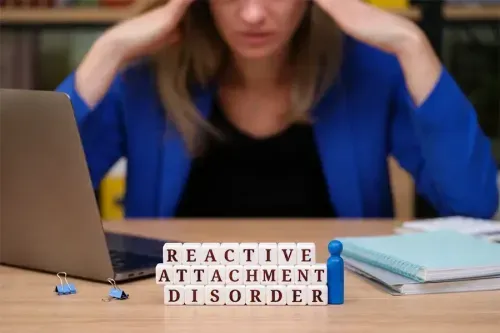
Is RAD a Mental Illness?
Understanding RAD: Causes, Symptoms & Mental Health Impact
Reactive Attachment Disorder (RAD) is a serious condition that affects children, often due to severe neglect or inconsistent caregiving. According to the DSM-5 (Diagnostic and Statistical Manual of Mental Disorders) by the American Psychiatric Association, RAD is classified as a stressor- and trauma-related disorder. This guide explores the disorder, its causes, symptoms, and other key details.
Understanding Reactive Attachment Disorder
Reactive Attachment Disorder, or RAD, refers to a condition where an infant or young child does not form healthy bonds with their parents or primary carers. It often happens due to emotional neglect or facing abuse at a young age. The condition of RAD makes children have trouble managing their emotions. Since it impairs normal emotional development, RAD is taken seriously by clinicians and child development experts.
Causes of RAD
While there is no one exact cause for children getting diagnosed with RAD, there are several factors that can contribute to it. Here are a few of them:
- Neglect or Abuse: The child feels alone and abandoned.
- Food Insecurity: Unmet basic needs of the child make them distant from their carers.
- Multiple Caretakers: The child does not know how or whom to place trust in.
- Lack of Hygiene: If a child sits in soiled nappies for hours after hours without anybody changing them, it can make them feel neglected.
- Safety: If a child feels that their safety is under threat, it can lead to the development of RAD.
- Absence of Caregiving: The needs of a child are only being met a few times. It makes them not know when they should expect their carers to console or reward them.
Symptoms of RAD
There has been very little research on the symptoms of this condition beyond early childhood. RAD must have its onset before age 5; however, symptoms can persist into later childhood if unaddressed. However, these are the most apparent symptoms that can be seen in children with that condition:
- Sad and emotionless appearance
- Withdrawal from primary carers or parents
- Behavioural issues
- Failure to show emotions of joy, like a smile or laugh
- Showing no response when shown comfort
- Irritability, sadness, or fearfulness with no apparent cause
- Failure to seek support and assistance
Risk Factors of Reactive Attachment Disorder
There is a major risk of developing a reactive attachment disorder from facing emotional neglect from primary carers or parents. Here are a few common risk factors for developing RAD:
- Living in a foster home or any other institution.
- Prolonged caregiver absence combined with severe emotional neglect or inconsistent caregiving may increase risk.
- Frequently changing careers.
- Children having parents or carers who have criminal behaviour, partake in substance abuse or have severe mental health problems.
- Death of a primary carer.
Prevention of RAD From Affecting Children
While there are no preventive measures that work with certainty, there are some methods that work to avoid RAD to an extent. Here are a few parenting suggestions that can help prevent the child from getting RAD:
- Engaging with children by playing, talking and smiling with them.
- Learning to interpret their non-verbal cues so that their needs can be met quickly and fulfilled.
- Offering both verbal and nonverbal responses to the feelings of a child by facial expression, touch, etc.
- Taking volunteering classes with children to learn skills about interacting and dealing with them if there is a lack.
Reactive Attachment Disorder is a recognised mental health disorder of early childhood, classified under trauma‑ and stressor‑related disorders in the DSM‑5‑TR. While it can deeply affect emotional development, early detection, stable caregiving, and therapeutic intervention can make a significant difference. Understanding RAD is essential for promoting healthier childhood experiences and long-term psychological well-being.
Reader Information: This article is intended for general informational and educational purposes only. Reactive Attachment Disorder (RAD) is a clinically recognised mental health condition that can only be diagnosed by a qualified mental health professional based on established diagnostic criteria.
Also Read:
→ What are Deficiency Diseases
→ What are the Diseases Covered Under Health Insurance
→ What are the Diseases that Cause Hives in Adults
→ What are the Stages of Hand, Foot, and Mouth Disease (HFMD)


Health Insurance Coverage for pre-existing medical conditions is subject to underwriting review and may involve additional requirements, loadings, or exclusions. Please disclose your medical history in the proposal form for a personalised assessment.
This FAQ page contains information for general purpose only and has no medical or legal advice. For any personalized advice, do refer company's policy documents or consult a licensed health insurance agent. T & C apply. For further detailed information or inquiries, feel free to reach out via email at marketing.d2c@starhealth.in







