





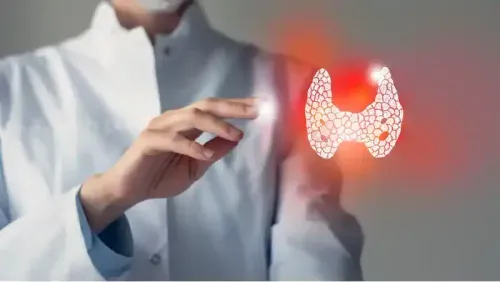
Low Parathyroid Hormone (PTH) Levels: Symptoms, Causes & Treatment
Parathyroid Hormone Deficiency and Its Impact on Health
Parathyroid hormone (PTH), produced by the parathyroid glands, regulates calcium and phosphorus levels in the blood. Though calcium is stored in bones, PTH maintains its blood levels. A deficiency can cause hypoparathyroidism, a rare but serious condition. Normal intact PTH reference ranges vary by laboratory and assay, but are typically approximately 10–65 pg/mL. Results should always be interpreted using the laboratory’s reference range. Recognising PTH deficiency early is essential for effective treatment and prevention of complications.
What disease can be a result of a deficiency of parathyroid hormone?
Hypoparathyroidism is a rare condition where the parathyroid glands produce insufficient PTH, leading to low calcium and high phosphorus levels in the blood. Excess phosphorus further reduces calcium, potentially causing multiple health issues.
PTH increases renal calcium reabsorption, mainly by up‑regulating TRPV5 channels in the distal convoluted tubule, while also influencing calcium handling in other nephron segments. Although calcium is mainly stored in bones, the blood needs it for vital functions such as nerve signalling, heart rhythm, muscle contraction, bone strength, and blood clotting.
Here are the functions that calcium in your blood supports:
- Helps your nerves to function
- Assists in blood clotting
- Supports proper heart function
- Strengthens your bones
- Triggers muscle contraction to aid movement
Low calcium levels in your blood, caused by a deficiency of parathyroid hormone, hinder your body’s ability to perform the above functions efficiently.
What are the symptoms of a deficiency of parathyroid hormone?
Epidemiological studies estimate the prevalence of hypoparathyroidism at approximately 20–40 cases per 100,000 population. The symptoms of hypoparathyroidism, caused by low PTH levels, include:
- Numbness in toes, lips, and fingers
- Abnormal heart rhythm
- Cataracts
- Weak tooth enamel in children
- Spasms and muscle cramps
- Dry skin and brittle nails
- Brain fog
What vitamin is deficient in the parathyroid?
Along with regulating calcium and phosphorus levels, PTH also helps regulate vitamin D levels in your blood and bones. Hypoparathyroidism can sometimes result from or be worsened by vitamin D deficiency.
A study published in the Indian Journal of Endocrinology and Metabolism found that 91.2% of healthy adults over 50 in Northern India had significant vitamin D insufficiency. This deficiency may indirectly affect PTH levels and calcium absorption.
How Do Doctors Diagnose You with Parathyroid Hormone Deficiency?
If you are experiencing the above symptoms of hypoparathyroidism, you should consult a doctor or healthcare provider. Based on the discussion, they may recommend certain diagnostic tests.
Doctors primarily use the parathyroid hormone blood test to confirm PTH deficiency. This test is commonly known as “PTH intact” among healthcare professionals. Additional tests to evaluate calcium, phosphorus, and vitamin D levels are also often conducted.
Treatments to Increase Parathyroid Hormone Levels
The goal of treatment is to manage the low calcium levels caused by PTH deficiency. This is done by:
- Eating a high-calcium diet: Your doctor may recommend including calcium-rich Indian foods such as yoghurt, paneer, ragi (finger millet), and broccoli.
- Vitamin D and calcium carbonate supplements: These may be recommended for lifelong use to help your body absorb calcium more effectively.
- PTH injections: If calcium and vitamin D supplements are ineffective, your doctor might prescribe recombinant PTH injections. These are used under medical supervision and approved by authorities such as the FDA.
Parathyroid hormone deficiency causes hypoparathyroidism, leading to low blood calcium levels and affecting nerves, muscles, heart, and bones. Treatment includes a calcium-rich diet, vitamin D and calcium supplements, or PTH injections. Early diagnosis and proper medical care are vital to prevent complications and manage the condition effectively.
Reader Information: This article is intended for general informational and educational purposes only. Parathyroid hormone levels, causes of hypoparathyroidism, symptoms, and treatment options can vary based on individual health conditions, laboratory reference ranges, and clinical circumstances. Always consult a qualified doctor or healthcare professional for personalised evaluation, diagnosis, and treatment.
Also Read:
→ Are There Specific UTI Symptoms Before a Period
→ Best Foods to Manage Diarrhoea Symptoms
→ Symptoms of a Weak Sphincter Muscle
→ Symptoms of Regular Foot Pain in Women


Health Insurance Coverage for pre-existing medical conditions is subject to underwriting review and may involve additional requirements, loadings, or exclusions. Please disclose your medical history in the proposal form for a personalised assessment.
This FAQ page contains information for general purpose only and has no medical or legal advice. For any personalized advice, do refer company's policy documents or consult a licensed health insurance agent. T & C apply. For further detailed information or inquiries, feel free to reach out via email at marketing.d2c@starhealth.in







