





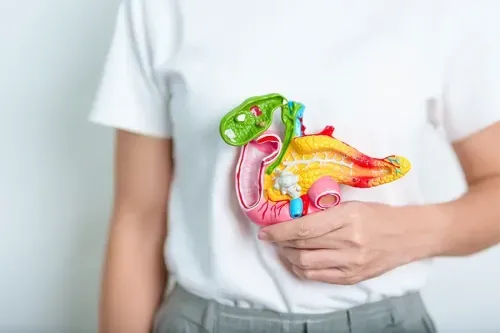
What is Pancreatic Enzyme Therapy (PERT)?
Guide to Pancreatic Enzyme Therapy for Digestive Health
Symptoms such as abdominal pain, unintended weight loss, and persistent bloating require medical evaluation, as they may indicate exocrine pancreatic insufficiency (EPI) or other serious gastrointestinal conditions. In this disorder, your pancreas is unable to secrete sufficient digestive enzymes, which may severely damage your health and nutrition.
Fortunately, Chennai stands at the forefront of managing this condition with pancreatic enzyme replacement therapy (PERT), offering innovative medical care, expert gastroenterologists, and tailored treatment approaches.
Keep reading to learn more about the PERT therapy in Chennai.
What Do You Mean by Pancreatic Enzyme Therapy?
Pancreatic enzyme replacement therapy (PERT) is a medical treatment designed to support individuals whose pancreas does not produce sufficient digestive enzymes. These enzymes (proteases, amylases, and lipases) are necessary in order to digest proteins, carbohydrates, and fats.
PERT requires taking capsules of a blend of enzymes (usually pancreatin or pancrelipase from pig pancreas) that assist in digestion and nutrient uptake.
Who Needs to Undergo Pancreatic Enzyme Therapy in Chennai?
Not all individuals with digestive issues require PERT. However, patients having EPI (exocrine pancreatic insufficiency) or suspected EPI are probably the suitable patients for this treatment. This includes individuals with:
- Pancreatic cancer
- Chronic pancreatitis
- Cystic fibrosis
- Recurrent acute pancreatitis
- Post-pancreatic surgery
How is Pancreatic Enzyme Therapy Used in Chennai?
Administering pancreatic enzyme replacement therapy (PERT) correctly is crucial for its complete effectiveness. Here’s how it can be used in the most effective way:
- PERT is given with the initial bite of each meal, snack, or milk-containing drink.
- Consider eating a balanced diet rich in vegetables, healthy proteins, fruits, and whole grains.
- For longer meals (over 20 minutes), distribute enzyme intake to facilitate regular digestion.
- Store the enzymes in a cool, dry location, away from heat and direct sunlight, to maintain their effectiveness.
- Pancreatic enzyme therapy should always be taken with meals or snacks to ensure proper digestion. Do not take it on an empty stomach.
- In case of swallowing difficulties, open the capsules and stir with a spoonful of cold, soft food, such as applesauce or yoghurt—never chew or leave it in your mouth.
- The right dosage depends on age, body weight, and the type of meal. Always consult your physician to determine the proper dosage according to your specific
What are the Side Effects of Pancreatic Enzyme Therapy?
PERT is typically well tolerated, but some individuals may have mild side effects, particularly if the drug is not taken correctly. Here are the major side effects:
- Stomach pain
- Bloating or gas
- Diarrhoea
- Headaches, dizziness, or even such infrequent symptoms as gout
- Nausea
- Discomfort in abdomen
- Constipation
Pancreatic enzyme therapy (PERT) in Chennai provides a systematic and effective option for EPI patients. With professional guidance, accurate diagnostics, and continued support, patients can regain their digestive well-being and overall health.
Reader Information: This article is intended for general informational and educational purposes only. Pancreatic enzyme replacement therapy (PERT) should be used only under the supervision of a qualified healthcare professional. Treatment decisions, including diagnosis, dosage, and duration of therapy, must be based on an individual’s medical history, clinical evaluation, and diagnostic testing. Always consult a doctor or qualified healthcare provider before starting, stopping, or modifying any treatment.


Health Insurance Coverage for pre-existing medical conditions is subject to underwriting review and may involve additional requirements, loadings, or exclusions. Please disclose your medical history in the proposal form for a personalised assessment.
This FAQ page contains information for general purpose only and has no medical or legal advice. For any personalized advice, do refer company's policy documents or consult a licensed health insurance agent. T & C apply. For further detailed information or inquiries, feel free to reach out via email at marketing.d2c@starhealth.in







