





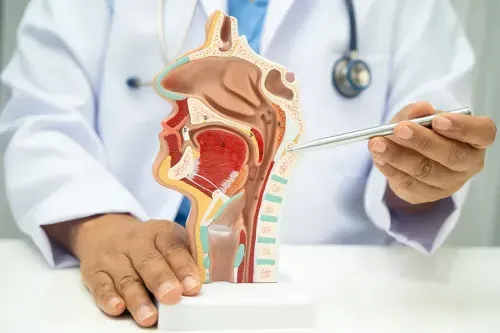
What is the Pharyngeal Tonsil?
Pharyngeal Tonsil: Structure, Function & Role in Immune Defence
The pharyngeal tonsils are a vital part of our immune system. It stands over the nasal passages like a guardian for diligently protecting the body from infections that threaten your health. It keeps our immune system strong, which helps to respond against pathogens.
What is the Pharyngeal Tonsil?
The pharyngeal tonsil is a cluster of lymphoid tissue located in the midline and top of the nasopharynx. This location lies at the level of the occipital bones and the sphenoid. An enlarged version of this pharyngeal tonsil is called the adenoid hypertrophy. The table below highlights key facts about pharyngeal tonsils:
| Facts | Descriptions |
| Colour | Normal pharyngeal tonsils are pinkish, but they appear swollen and reddish when infected or inflamed. |
| Location | The posterior wall and top roof of the nasopharynx |
| Lining Epithelium | Centred on the pseudostratified ciliated columnar cells |
| Venous Drainage | Returning to the pharyngeal venous network |
| Nerve Supply | Monitored by the pharyngeal plexus, involving contributions from vagus nerves and glossopharyngeal |
| Size | The pharyngeal tonsil is a diffuse patch of tissue, not a discrete organ with a standard volume. Its size is clinically assessed by how much it obstructs the nasopharyngeal airway on endoscopic or radiographic examination, typically graded on a scale of 0 to 4 |
How Do the Pharyngeal Tonsils Work?
A primary function of the pharyngeal tonsil is to fight infections. Here is the list of basic functions:
- It contains white blood cells that possibly travel through the adenoids and target and trap the germs.
- Sensory innervation of the nasopharynx is primarily via branches of the maxillary nerve (CN V2), but the pharyngeal tonsil itself does not have a distinct, clinically relevant sensory nerve supply. In addition to contributions from the glossopharyngeal (CN IX) and vagus (CN X) nerves via the pharyngeal plexus.
- The pharyngeal tonsil contributes to mucosal immunity by facilitating antigen presentation and local immunoglobulin (particularly IgA) production.
- It receives its arterial supply primarily from branches of the ascending pharyngeal artery and the facial artery (via the ascending palatine branch). Lesser contributions may come from the maxillary artery and the dorsal lingual arteries.
Can You See the Pharyngeal Tonsils?
No, the pharyngeal tonsil (adenoid) is not visible through the mouth with a mirror. It is located high in the throat, behind the nose and above the soft palate. The tonsils visible when you open your mouth wide are the palatine tonsils. The adenoid can only be visualized using specialized medical equipment. Hence, you can see pharyngeal tonsils through medical examinations and equipment, and these are:
- Nasal Endoscopy: During this test, a rigid or flexible tube with a light and a camera is inserted into the nose to visualise the pharyngeal tonsil and the nasal cavity.
- Imaging Examination: This clinical examination may involve X-rays, MRI or CT scans to visualise the sinuses and condition of the pharyngeal tonsils and nasal passages.
Seeing the pharyngeal tonsils may help you or your healthcare professional diagnose tonsillitis infection or adenoid hypertrophy.
What are the Conditions that Affect the Pharyngeal Tonsil?
These tonsils can enlarge and become inflamed when your body tries to fight certain infections. Further, common conditions that affect pharyngeal tonsils are:
- Upper respiratory infections affect the sinuses, nose and throat.
- Ear infections cause congestion or swelling of the nasal passages.
- Tonsil stones are small yellow or white lumps that cause pain and bad breath.
- Mononucleosis, a viral infection, causes sore throat and swollen pharyngeal tonsils.
- Peritonsillar abscess is a complication of palatine tonsillitis and does not involve the pharyngeal tonsil
What are the Clinical Signs of an Affected Pharyngeal Tonsil?
You may experience breathing difficulties and nasal congestion as primary symptoms of infections. Apart from these, you may face:
- Sore throat
- Mouth breathing
- Sense blockage or pressure in your ears
- Snoring
- Bad breath
- Headache
- Loss of appetite
- Sleeping trouble
- Increased neck swelling
- A whistling noise in the throat while breathing
- Drinking and eating difficulties
- Difficulty in swallowing saliva
Enlargement of these tonsils often occurs in children and causes an atypical facial appearance. This includes signs, including an elongated face, hypoplastic maxilla, elevated nostrils, prominent incisors and a short upper lip.
How to Treat Pharyngeal Tonsils?
Doctors focus on determining and treating such underlying conditions. Common recommended treatment options may involve:
- Nasal corticosteroid spray or antihistamine drugs to treat enlarged pharyngeal tonsils due to allergies.
- Doctors may suggest antibiotics, such as amoxicillin and penicillin, to treat inflamed adenoids from bacterial infection.
- Naproxen, acetaminophen, or ibuprofen medications reduce symptoms of infectious conditions, fever, and pain.
- Adenoidectomy is a surgical option to remove the pharyngeal tonsil with a medical instrument or cautery.
The pharyngeal tonsils are a mass of lymphoid tissues located at the roof of the nasopharynx within the mucosa. It receives antigens that enter from the external environment through ingestion and inhalation.
Upper respiratory infection, ear infections, tonsil stones, peritonsillar abscess, and mononucleosis are common health conditions that can affect the tonsil. Nasal endoscopy and X-rays, MRI or CT scans help to visualise pharyngeal tonsils and measure the progression of infections.
Disclaimer: This article is intended for general informational and educational purposes only. Always seek the advice of a licensed physician or other qualified healthcare provider with any questions regarding symptoms, diagnosis, or treatment options related to pharyngeal tonsils or other health concerns.
Also Read:
→ How Vitiligo Affects Skin Pigment
→ What are the Ulna and Fibula



Health Insurance Coverage for pre-existing medical conditions is subject to underwriting review and may involve additional requirements, loadings, or exclusions. Please disclose your medical history in the proposal form for a personalised assessment.
This FAQ page contains information for general purpose only and has no medical or legal advice. For any personalized advice, do refer company's policy documents or consult a licensed health insurance agent. T & C apply. For further detailed information or inquiries, feel free to reach out via email at marketing.d2c@starhealth.in







