





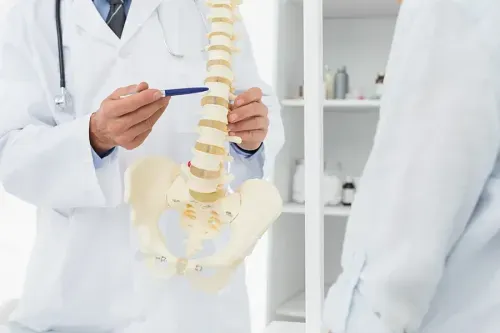
Difference Between Primary and Secondary Osteoporosis?
Primary vs Secondary Osteoporosis: Key Differences Explained
Osteoporosis is a condition characterised by weakened bones and increased fracture risk. It is broadly classified into primary and secondary types based on their causes. Osteoporosis affects an estimated 200 million people worldwide, predominantly postmenopausal women, with prevalence increasing significantly with age. Exact age-specific proportions vary by population and study. Understanding the differences helps in effective diagnosis and tailored treatment strategies for bone health.
Read on to know the differences in detail.
Comparison Between Primary and Secondary Osteoporosis
Here are the details of the comparison of secondary and primary osteoporosis:
| Factors | Primary Osteoporosis | Secondary Osteoporosis |
| Cause | Primary osteoporosis is mainly caused by age-related hormonal changes, particularly estrogen deficiency after menopause. Poor nutrition and physical inactivity act as contributing risk factors that accelerate bone loss. | Common causes include underlying medications like steroids, hormonal treatments, and seizure and mood disorder treatments. Chronic health issues, including diabetes, celiac disease, hyperthyroidism, cancer, eating disorders, liver disease and organ transplantation, cause bone weakness and fractures. |
| Examples | Postmenopausal osteoporosis happens to women only due to decreased levels of estrogen hormone after menopause. Senile osteoporosis affects both men and women along with corresponds to age-related bone problems. | Endocrine disorders, such as hyperparathyroidism, Cushing's syndrome, and hyperthyroidism. |
| Onset of Osteoporosis | Bone loss accelerates after menopause, with fracture risk increasing progressively with advancing age. | Secondary osteoporosis occurs at any age. It happens at a younger age due to prolonged use of particular medications and chronic health diseases. |
| Impact | Fractures can occur in any part of the body and cause loss of height, weakened grip, and back pain related to compression fractures in the spine. | Fractures commonly involve the spine (vertebrae), hip, and forearm and may lead to complications such as increased morbidity, mortality, and postural changes. |
| Treatment Approach | Treatment concerns for improving age-related bone issues. Treatment options include antiresorptive agents (such as bisphosphonates, denosumab, and calcitonin) and anabolic agents (such as parathyroid hormone analogues), which help reduce fracture risk and improve bone density. | Treatment involves medication for underlying conditions and bone health. Management includes treating the underlying condition, ensuring adequate calcium and vitamin D intake, and using osteoporosis-specific therapies. Hormone replacement may be considered only in selected cases with confirmed deficiencies. |
Understanding Primary Osteoporosis
Primary osteoporosis is a common bone disorder primarily caused by natural ageing processes, especially in postmenopausal women due to decreased estrogen levels. This condition leads to a gradual loss of bone density and strength, making bones fragile and more prone to fractures even from minor injuries.
It typically affects older adults, with symptoms often appearing after the age of 50 in women and later in men. Lifestyle factors, such as poor nutrition as well as lack of physical activity can also contribute to the development of primary osteoporosis.
Understanding Secondary Osteoporosis
Secondary osteoporosis occurs when an underlying medical condition or long-term use of certain medications leads to weakened bones as well as increased fracture risk. Unlike primary osteoporosis, which is mainly age-related, secondary osteoporosis can affect individuals at any age.
Common causes include chronic diseases like diabetes, hyperthyroidism, and liver disease, as well as medications such as steroids and hormonal treatments. Managing secondary osteoporosis involves treating the root cause alongside improving bone strength through supplements and specific therapies to reduce fracture risk and improve overall bone health.
Overall, primary osteoporosis is mainly caused by age-related changes, while secondary osteoporosis results from underlying health conditions or medication use. Understanding these differences is essential for accurate diagnosis along with effective treatment, helping to protect bone health and reduce the risk of fractures across different age groups and medical backgrounds.
Reader Information: This article is intended for informational and educational purposes only. Readers are advised to consult a qualified healthcare professional for personalized advice regarding bone health, diagnosis of osteoporosis, or treatment options.
Also Read:
→ Difference Between Raynaud's Disease and Raynaud's Phenomenon
→ Sickle Cell Disease - An Overview
→ What Are the Symptoms Associated With a Ureteral Stent
→ Therapeutic Approaches for Adjustment Disorder


Health Insurance Coverage for pre-existing medical conditions is subject to underwriting review and may involve additional requirements, loadings, or exclusions. Please disclose your medical history in the proposal form for a personalised assessment.
This FAQ page contains information for general purpose only and has no medical or legal advice. For any personalized advice, do refer company's policy documents or consult a licensed health insurance agent. T & C apply. For further detailed information or inquiries, feel free to reach out via email at marketing.d2c@starhealth.in







