





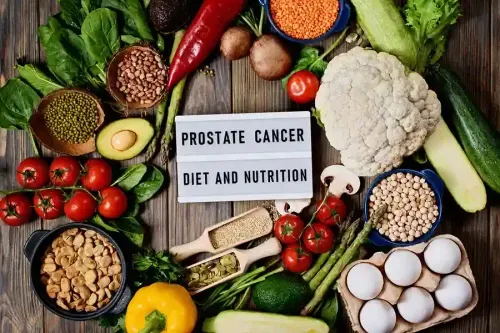
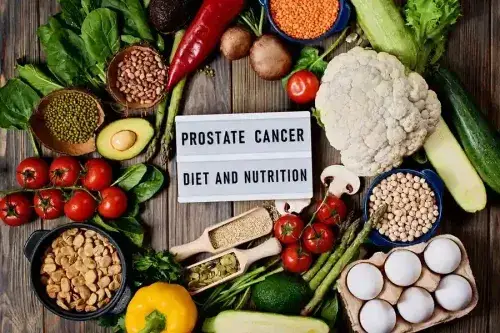
Prostate Cancer Diet and Nutrition for Healing
Prostate Cancer Diet: Foods That Support Treatment and Recovery
Prostate cancer is the second most common form of cancer in men. It affects the prostate gland, which produces fluid for semen. Fortunately, it is one of the few cancers with a high survival rate. Alongside chemotherapy and radiation therapy, diet and lifestyle play a crucial role in cancer management. Let us explore how diet can help manage and support the treatment of prostate cancer.
What is Prostate Cancer?
Prostate cancer occurs when cells in the prostate gland start growing abnormally. This can lead to the formation of tumours that destroy healthy body cells. Fortunately, with advancements in medical science, prostate cancer is highly treatable when detected early. The 5‑year relative survival rate for prostate cancer is over 99% when diagnosed at a localized or regional stage, but survival is significantly lower for advanced or metastatic disease.
Diet and lifestyle choices are significant when managing prostate cancer. Dietary changes can support overall health and treatment tolerance, but there is limited clinical evidence that diet alone can reduce prostate cancer progression. Wondering what foods promote a healthy prostate? Let us discuss what to include and avoid in your diet.
Foods to Include in Your Diet to Manage Prostate Cancer
Diet plays a vital role in supporting prostate cancer treatment and improving overall well-being. While food alone cannot cure cancer, incorporating certain nutrient-rich foods can help slow disease progression, reduce inflammation, and support the body’s ability to heal.
Including a variety of vegetables, such as cruciferous and allium vegetables, as part of a balanced diet can contribute valuable nutrients that support overall health. While some studies suggest components in these foods may be beneficial, they are not a treatment for cancer.
Here is what to include in a prostate-friendly diet:
- Cruciferous Vegetables: Vegetables like broccoli, cauliflower, kale, cabbage, and Brussels sprouts are rich in compounds, such as sulforaphane and indole-3-carbinol. These phytochemicals have shown anti‑inflammatory and anti‑cancer activity in laboratory studies, but their effects in humans remain under investigation.
How to include: Try broccoli stir-fry, cabbage curry, or add kale to soups and lentils. - Tomatoes: Tomatoes are high in lycopene, an antioxidant linked with reduced prostate cancer risk and slowed tumour growth. Cooking tomatoes enhances lycopene absorption, especially when combined with healthy fats like olive oil.
How to include: Use tomatoes in curries, tomato-based sauces, or soups such as ‘tomato shorba’. - Allium Vegetables: Garlic, onions, leeks, and shallots have natural anti-cancer properties due to their sulphur-containing compounds. These may support immune function and help suppress the formation of tumours.
How to include: Add crushed garlic and chopped onions to everyday dishes like dal, sabzi, or khichdi. - Fatty Fish: Fish such as salmon, sardines, and mackerel are rich in omega-3 fatty acids. These healthy fats help reduce inflammation, potentially slow cancer progression, and support heart health.
How to include: Prepare grilled salmon, sardine curry, or baked mackerel with Indian spices. - Soy Products: Soybeans, tofu, soy milk, and tempeh contain isoflavones, which may block hormones that stimulate cancer growth. They’re also a good source of plant protein.
How to include: Use soy chunks in curries or replace dairy milk with soy milk in beverages. - Fruits and Berries: Brightly coloured fruits like pomegranates, oranges, and berries are packed with antioxidants, vitamins, and anti-inflammatory agents.
How to include: You can have them as fresh fruit bowls, smoothies, or yoghurt with mixed berries.
Incorporating these foods into a balanced diet can support prostate health, improve overall well-being, and work in synergy with conventional cancer treatments. Always consult a medical professional or dietitian before making significant dietary changes.
While diet alone cannot cure prostate cancer, it plays a vital supportive role in treatment. A nutritious, well-balanced diet combined with a healthy lifestyle can enhance the body’s response to therapy, boost immunity, and improve quality of life. These benefits are even more impactful when the cancer is diagnosed early, allowing dietary changes to complement medical interventions more effectively.
Reader Information: This article is intended for general informational and educational purposes only and should not be considered medical advice. Diet and nutrition may support overall health and well‑being during prostate cancer treatment, but they are not a substitute for medical care, including chemotherapy, radiation therapy, surgery, or other prescribed treatments. Always consult a qualified doctor, oncologist, or registered dietitian before making significant dietary or lifestyle changes, especially if you have been diagnosed with prostate cancer or are undergoing treatment.
Also Read:
→ Cancer-Causing Food vs. Cancer-Fighting Nutrition
→ Colorectal Cancer Diet for Prevention and Gut Health
→ Skin Cancer Diet and Nutrition for Healing


Health Insurance Coverage for pre-existing medical conditions is subject to underwriting review and may involve additional requirements, loadings, or exclusions. Please disclose your medical history in the proposal form for a personalised assessment.
This FAQ page contains information for general purpose only and has no medical or legal advice. For any personalized advice, do refer company's policy documents or consult a licensed health insurance agent. T & C apply. For further detailed information or inquiries, feel free to reach out via email at marketing.d2c@starhealth.in







