





What are the Common Infections in the Colon?
Colon Infections Explained: Types, Signs & Prevention
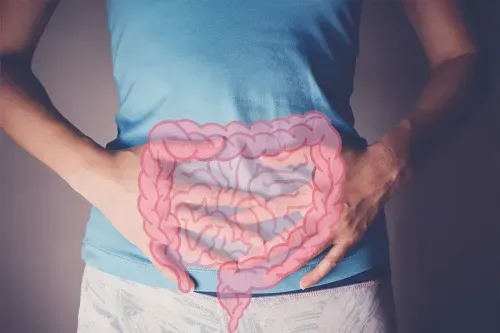
The colon, or large intestine, plays an essential role in the human digestive system by absorbing water and storing waste. Although it hosts a large population of beneficial bacteria, it is still vulnerable to infections caused by harmful pathogens, including bacteria, viruses, and parasites.
These infections can disrupt the colon's normal functions and cause symptoms ranging from mild diarrhoea to severe abdominal pain and fever. Understanding the causes and symptoms of these infections is crucial for early detection and medical intervention. Keep reading to learn about the infections related to the human colon.
What are the Different Infections in the Colon?
Below are the most common infections that affect the colon:
1. Clostridioides Difficile (C. diff) Infection
difficile is a spore-forming, toxin-producing bacterium that often infects the colon when the normal gut microbiota is disrupted, usually due to recent antibiotic use. The lack of beneficial bacteria allows C. diff to multiply and release toxins that inflame the colon lining.
Symptoms:
- Watery diarrhoea (sometimes severe and persistent)
- Abdominal cramps or tenderness
- Bloating
- Fever
- Fatigue
- Nausea
- Loss of appetite
2. Shigella Infection (Shigellosis)
Shigella is a highly contagious bacterial pathogen transmitted through contaminated food, water, or direct person-to-person contact. It spreads quickly in areas with poor sanitation and is common in young children and institutional settings.
Symptoms:
- Bloody diarrhoea with mucus
- Severe abdominal cramps
- Tenesmus (a constant urge to pass stool)
- Fever
- Fatigue
- Dehydration
- Nausea
3. Salmonella Infection
Salmonella bacteria are often contracted by consuming raw or undercooked poultry, eggs, or dairy products. Contaminated fruits and vegetables or contact with infected animals can transmit the bacteria.
Symptoms:
- Diarrhoea (may be watery or bloody)
- Abdominal pain
- Nausea
- Vomiting
- Fever
- Headache
- Chills
4. Escherichia Coli (E. coli) Infection
Certain E. coli strains (e.g., EHEC O157:H7) colonize the large intestine, causing bloody diarrhea and colitis. Others (e.g., ETEC) infect the small intestine. Infection typically results from undercooked ground beef, unpasteurised milk or juice, or contaminated produce.
Symptoms:
- Severe abdominal cramps
- Watery or bloody diarrhoea
- Nausea
- Vomiting
- Low-grade fever (or none at all)
- General weakness
5. Campylobacter Infection
Campylobacter jejuni is commonly found in undercooked poultry, contaminated water, and unpasteurised milk. The infection is a leading cause of bacterial gastroenteritis globally.
Symptoms:
- Diarrhoea (may be bloody or watery)
- Abdominal cramps (often sharp and severe)
- Fever
- Malaise
- Headache
- Muscle pain
- Nausea and vomiting
6. Amoebic Colitis (Amebiasis)
This infection, caused by the protozoan parasite Entamoeba histolytica, is acquired through ingesting contaminated food or water, especially in areas with poor sanitation.
Symptoms:
- Diarrhoea (which may be bloody or contain mucus)
- Abdominal pain (often chronic or cramping)
- Flatulence
- Urgency to defecate
- Tenesmus
- Weight loss
- Fatigue
- Mild fever
7. Cytomegalovirus (CMV) Colitis
The cytomegalovirus, a member of the herpesvirus family, causes CMV colitis. It mostly affects immunocompromised individuals, including those with HIV/AIDS (human immunodeficiency virus infection and acquired immune deficiency syndrome) or those undergoing chemotherapy or organ transplants.
Symptoms:
- Persistent or recurring diarrhoea
- Abdominal pain (often on the lower left side)
- Fever
- Weight loss
- Fatigue
- Nausea
- General discomfort or malaise
What is the treatment for colon infections?
Listed below are the standard treatment options for colon infections:
- Hydration is Essential: Replenish lost fluids and electrolytes with oral rehydration solutions (ORS), especially in cases of diarrhoea.
- Medications: Medications depend on the specific cause and severity. Some bacterial infections require antibiotics, while others are managed with supportive care alone. In certain infections (e.g., EHEC), antibiotics may be avoided due to risk of complications.
- Rest and Nutritional Support: Adequate rest and a bland, easy-to-digest diet support recovery and maintain strength during illness.
- Health Insurance Coverage: Plans from providers offer financial protection for hospitalisation and treatment of infectious diseases, ensuring timely access to care.
What are the preventive measures for colon infections?
Listed below are the preventive measures for colon infections:
- Practice Hand Hygiene: Wash hands thoroughly with soap and water, especially after using the toilet, changing nappies, and eating or preparing food.
- Consume Safe and Well-Cooked Food: Avoid raw or undercooked meats, poultry, eggs, and seafood. Ensure food is cooked to safe internal temperatures and served hot.
- Drink Clean and Treated Water: In areas with potentially contaminated tap water, use filtered, boiled, or bottled water. Avoid ice made from unsafe water.
- Maintain Clean Surroundings: Disinfect commonly touched surfaces, particularly in shared or public spaces. Use proper sanitation procedures to handle waste.
- Travel Smart: When travelling to developing regions, be cautious about food and water sources. Eat freshly cooked meals and avoid street food and unpeeled fruits.
- Vaccination (if necessary): Vaccines for infections like rotavirus (especially for children) can reduce the risk of severe disease.
Colon infections often result from consuming contaminated food or water or practising poor hygiene. They usually present with symptoms like diarrhoea, abdominal pain, and fever.
Recognising these signs early and seeking medical attention can help manage the infection effectively and prevent further complications or transmission. Health emergencies due to infections can be sudden and stressful. A trusted insurance provider ensures access to quality care, timely diagnosis, and financial protection.
Reader information: This article is intended for general informational and educational purposes only and does not constitute medical advice, diagnosis, or treatment. The information provided is not a substitute for professional medical consultation, clinical evaluation, or personalised care. Symptoms, causes, and treatments may vary depending on individual health conditions. Readers are advised to consult a qualified healthcare professional for accurate diagnosis, appropriate treatment, and medical guidance.
Also Read:
→ How are You Diagnosed with Malabsorption
→ What Cancers Cause Rectal Bleeding
→ What Causes Infection in the Brain
→ Main Causes of Peripheral Neuropathy


Health Insurance Coverage for pre-existing medical conditions is subject to underwriting review and may involve additional requirements, loadings, or exclusions. Please disclose your medical history in the proposal form for a personalised assessment.
This FAQ page contains information for general purpose only and has no medical or legal advice. For any personalized advice, do refer company's policy documents or consult a licensed health insurance agent. T & C apply. For further detailed information or inquiries, feel free to reach out via email at marketing.d2c@starhealth.in







