





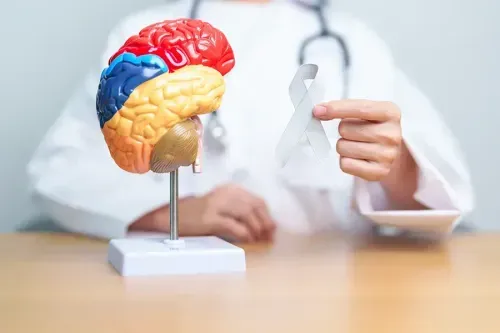
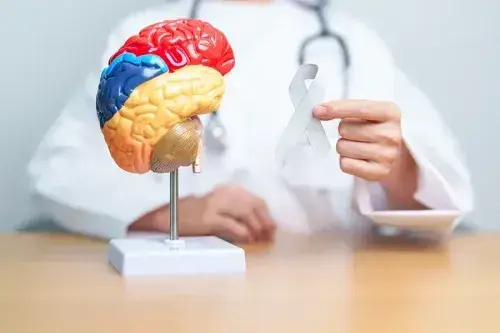
What are the Risk Factors for Brain Cancer?
Who’s at Risk for Brain Cancer? Key Factors Explained
Brain cancer is a serious condition where abnormal cells grow in the brain. These cells can form tumours that spread and damage other healthy tissues. While the exact cause of brain cancer is often unknown, there are several risk factors which increase a person's chances of developing it. Understanding these risk factors can help people stay informed and take preventive steps.
Risk Factors of Brain Cancer
Here is an overview of some of the most common factors that contribute to brain cancer:
Age and Gender
Brain cancer can affect anyone, but gender plays a major role. While it is correct that some primary brain tumours (e.g., glioblastoma) are more common in males. The difference is due to hormones and other biological factors.
Furthermore, age is a contributing factor as well. Some types of brain tumours are more prevalent in children, while others are more likely to appear in adults. Different types of brain tumours occur at different ages; some are more common in children, while others are more frequently diagnosed in adults.
Mobile Phone Usage
There have been some concerns regarding the usage of mobile phones and the risk of brain cancer. So far, studies have not found any clear link. However, experts believe that using hands-free devices or texting instead of calling can reduce exposure to the head.
Family History and Genetics
Having a family history of brain cancer increases the risk of getting it considerably. If a close relative, like a parent or a sibling, has had brain cancer, the chances of getting it become much higher. Some rare genetic disorders also increase the risk. These include Neurofibromatosis, Turcot syndrome and Li-Fraumeni syndrome. People with these risks must consult a doctor about their risk.
Exposure to Radiation
Higher levels of radiation also increase the risk of developing brain cancer. It includes radiation therapy that is used to treat other cancers. People who are exposed to radiation in their workplace or during accidents are also at risk. However, normal background radiation like that from airport scanners and X-rays, is still safe.
Chemical Exposure
Some studies indicate a link between brain cancer to exposure to certain chemicals. These include substances used in oil refining, farming and rubber manufacturing. However, the evidence is not that strong, and much more research needs to be done. All in all, taking safety precautions at work is always a good idea.
Weakened Immune System
People who have weakened immune systems face a higher risk of brain tumours. It includes those with HIV or AIDS. People who take drugs to suppress their immune system after organ transplants are also at risk. People with weakened immune systems should have regular medical follow-ups as advised by their healthcare provider.
Lifestyle and Other Factors
Unlike other cancers, lifestyle factors like exercise, diet, or smoking do not show a strong link to brain cancer. However, staying healthy and active helps to improve overall well-being. It also helps to prevent other kinds of diseases.
What are the Signs and Symptoms of Brain cancer?
Here is an overview of some of the symptoms of brain cancer that you need to know about:
- Headache
- Loss of balance
- Nausea and vomiting
- Weakness or numbness
- Fatigue
- Sensation or jerking muscles
- Vision problems
- Hearing problems
- Changes in smell or taste
- Speech difficulties
- Memory problem
Brain cancer is very rare, and having one or more risk factors does not guarantee that a person will get it. In many cases, people with brain cancers do not have any clear risk factors. Still, it is essential to be aware of the risk factors as they can aid in getting an early diagnosis and treatment.
Reader information: This article is intended for general informational and educational purposes only and should not be considered medical advice. Brain cancer risk factors, symptoms, and outcomes can vary from person to person. The information provided here does not replace professional medical consultation, diagnosis, or treatment. Always seek the advice of a qualified healthcare provider with any questions regarding a medical condition or health concerns. Never ignore or delay seeking medical care based on information from this article.
Also Read:
→ Risk Factors for Colon Cancer
→ Risk Factors for Cushing's Syndrome
→ Risk Factors for Diabetic Retinopathy
→ Risk Factors for Endometrial Cancer
HELP CENTRE
Confused? We’ve got the answers
We’re Star Health. We offer the coverage that’s designed to help keep you healthy. It's the care that comes to you, and stays with you.
Brain cancer can lead to neurological problems and cognitive decline, depending on the tumor's type, size, and location, as well as the patient’s age and overall health.
The major risk factors of brain cancer include genetic conditions, increasing age, ionising radiation from previous treatment, seizures, head injuries, immunosuppression due to organ transplants, HIV or chronic diseases.
Popular Topics
People Also Search For


Health Insurance Coverage for pre-existing medical conditions is subject to underwriting review and may involve additional requirements, loadings, or exclusions. Please disclose your medical history in the proposal form for a personalised assessment.
This FAQ page contains information for general purpose only and has no medical or legal advice. For any personalized advice, do refer company's policy documents or consult a licensed health insurance agent. T & C apply. For further detailed information or inquiries, feel free to reach out via email at marketing.d2c@starhealth.in







