





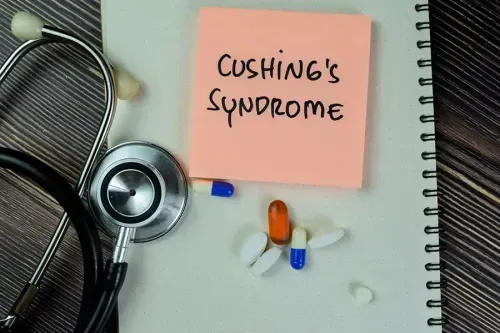
What are the Risk Factors for Cushing's Syndrome?
Cushing’s Syndrome: Causes, Risk Factors & Symptoms
High levels of the hormone cortisol disrupt overall body systems and result in a hormonal disorder called Cushing’s syndrome (hypercortisolism). An overdose of corticosteroids, genetic syndromes, family history, and an adrenal tumour may trigger this syndrome.
Read on to identify risk factors for Cushing's syndrome and common symptoms to opt for the treatment of managing cortisol levels.
Risk Factors for Cushing’s Syndrome
Here are the key risk factors for developing Cushing’s syndrome:
- The primary risk factor is an overdose of corticosteroids for a longer period. People who take this medicine and have rheumatoid arthritis, asthma, an organ transplant and lupus are more susceptible to developing Cushing’s syndrome.
- Obesity is a common feature that may mimic or result from Cushing’s syndrome, but it is not a primary risk factor for developing the condition.
- Adults, especially those aged between 30-50 years, are more likely to develop this syndrome.
Untreated Cushing's syndrome can be fatal. Cushing's syndrome can pose a life-threatening risk, including kidney stones, changes in mental or brain function, osteoporosis and unusual blood infections.
Symptoms of Cushing's syndrome
Common symptoms of Cushing’s syndrome are:
- Weight gain in the face
- Gaining weight in the trunk but having thin legs and arms
- A lump between your shoulders
- Purple or pink stretch marks on hips, stomach, breast, thighs and underarms
- Excessive acne
- Slow wound healing
- Frail and thin skin
- Sleeplessness and headache
- Muscle weakness
- Skin darkening
- Tiredness or fatigue
- Concentration issues
Specific symptoms women may experience may include:
- Dark and thick hair on the body and face
- Irregular periods
Possible symptoms among men with Cushing’s syndrome are;
- Low sex drive
- Erection problem
Cushing's syndrome sometimes causes a growth failure (short stature) + weight gain. in children; other symptoms include,
- Weight gain in the upper back and middle body
- Facial roundness
- Arms and legs become thin
- Stretch marks
- Easily skin bruising
Treatment of Cushing’s syndrome
Cortisol helps regulate blood sugar and blood pressure, lowers inflammation and transforms food into energy in the body. Without treatment, hypercortisolism restricts these systemic functions and causes serious complications, including bone loss, type 2 diabetes, and infections.
To mitigate serious complications, this syndrome needs medicines and technical therapies, which are:
- Adding medicines or drugs that reduce the release of cortisol can treat this syndrome. For example, doctors prescribe Cortisol-lowering drugs or ketoconazole to slow down cortisol production.
- Depending on the tumour's condition, either benign or malignant, doctors may prescribe different therapies. For example, Chemotherapy slows down the growth of cancerous tumours.
- Radiotherapy may be used to control pituitary or ectopic tumors when surgery is not fully effective or feasible, but it does not remove tumors and cortisol normalization may take months or longer.
The primary risk factor for developing Cushing's syndrome is taking an overdose of corticosteroids for a long time. Moreover, tumour cells in the adrenal and pituitary glands, obesity, and medical conditions like lupus and asthma increase the risk of Cushing's syndrome.
Facial weight gain, thinning of arms and legs, gaining fat in the middle body, purple stretch marks and excessive acne are common symptoms.
Reader information: This content is intended for general informational and educational purposes only and does not constitute medical advice, diagnosis, or treatment. Cushing’s syndrome and its management can vary based on individual health conditions. Readers should not rely solely on this information for making health-related decisions. Always consult a qualified healthcare professional or endocrinologist for accurate diagnosis, personalized medical advice, and appropriate treatment.
Also Read:
→ Risk Factors for Diabetic Retinopathy
→ Risk Factors for Endometrial Cancer
→ Risk Factors for Gallbladder Cancer
Popular Topics
People Also Search For


Health Insurance Coverage for pre-existing medical conditions is subject to underwriting review and may involve additional requirements, loadings, or exclusions. Please disclose your medical history in the proposal form for a personalised assessment.
This FAQ page contains information for general purpose only and has no medical or legal advice. For any personalized advice, do refer company's policy documents or consult a licensed health insurance agent. T & C apply. For further detailed information or inquiries, feel free to reach out via email at marketing.d2c@starhealth.in







