





What are the Risk Factors for Gallbladder Cancer?
Top Risk Factors for Gallbladder Cancer Explained
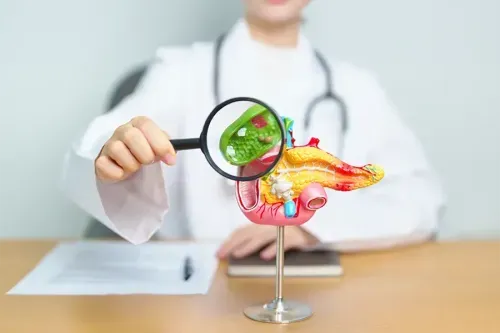
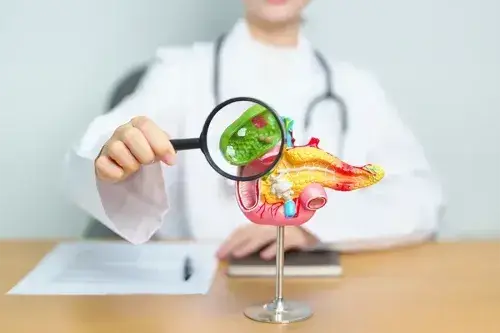
Risk factors refer to anything that increases one's chances of getting a certain disease. Your gallbladder is a pear-shaped organ that stores bile. However, when the gallbladder cells abnormally multiply, it leads to a tumour. Doctors do not know what causes gallbladder cancer. However, they have identified certain risk factors.
Ethnicity
Different ethnic groups can be affected differently. The chances vary around the world. Some groups are more likely to develop gallbladder cancer than others. Asia and Latin America are at a greater risk of developing this condition. It can be due to gallstones, diet, inflammation or infection.
Bile Duct Abnormality
Conditions such as choledochal cysts and pancreaticobiliary maljunction can increase one’s risk of getting this condition. People are generally born with this disease, and it is very rare. These people are at an increased risk of developing gallbladder cancer.
Since these conditions involve outgrowths in the bile duct, those outgrowths may mutate to form cancerous cells.
Obesity or Overweight
Obesity can open doors to many different diseases, gallbladder cancer being one of them. It changes how your body processes hormones. Obesity leads to gallstones formation, which in turn, causes chronic inflammation and leads to cancer.
Additionally, it increases the risk of gallstones as well, further increasing cancer risk. Women are more likely to be affected by being overweight than men.
Diabetes
Doctors link type 2 diabetes with the occurrence of gallbladder cancer. According to numerous studies, even if a person does not have a previous history of gallstones, they are at a higher risk if they are diabetic.
Since the condition increases insulin resistance, it could lead to increased bile production, resulting in stones. Gallstones are a major risk factor as well.
Ionising Radiation
X-rays and CT scans use ionising radiation to detect any issues within your body. There is no established evidence that routine diagnostic imaging using ionising radiation significantly increases the risk of gallbladder cancer. On the bright side, this chance is very rare since doctors do not use high radiation for such scans.
Gallbladder Polyps
It is a round growth emerging in the inner wall of your gallbladder. Most people have them, and they are not a cause for concern. However, they may develop into cancer over time. The larger the polyp, the greater the chance of cancer.
These growths may be due to inflammation in your gallbladder. If your gallbladder polyp is more than a centimetre, doctors may suggest an operation to remove your gallbladder.
Family History
Research shows that if your family has a past gallbladder cancer experience, your chances of getting it increase. Families without any history are less likely to develop this cancer. However, since it is a rare disease, the chances are minuscule.
Porcelain Gallbladder
It is a condition where your gallbladder is riddled with calcium deposits due to chronic inflammation. These build up inside the walls and increase cancer risk. It is historically associated with higher cancer risk, but modern studies suggest a weaker link than previously thought.
Primary Sclerosing Cholangitis
Primary Sclerosing Cholangitis (PSC) is a rare condition causing bile duct inflammation. Doctors are still unsure about the causes. Having this slightly increases one's chances of developing a tumour.
Anyone can develop gallbladder cancer. However, having these conditions can elevate one’s risk of developing this cancer. While some factors cannot be altered, obesity and diabetes can be controlled.
Symptoms of Gallbladder Cancer
Although gallbladder cancer may not show any symptoms in the early stages. But, when there are symptoms, they may include:
- Fever
- Nausea or vomiting.
- Pain in the upper right part of the belly.
- Unexplained weight loss.
- Belly bloating.
- Jaundice( Yellowed skin and yellowed whites of your eyes).
- Lumps in the abdomen.
- Loss of appetite
- Itchy skin
How to Diagnose Gallbladder Cancer?
Your health professional may ask you to perform specific tests, such as lab tests, imaging procedures and minor surgeries.
1. Lab tests
- Liver function test
- Carcinoembryonic antigen (CEA)
- CA 19-9 assay
2. Imaging tests
- Abdominal ultrasound
- CT (computed tomography) scan
- MRI (magnetic resonance imaging)
- Endoscopic ultrasound
- Endoscopic retrograde cholangiopancreatography
3. Minor Surgeries
- Biopsy
- Laparoscopy surgery
Reader information: This article is intended for general informational and educational purposes only and should not be considered medical advice. Gallbladder cancer risk factors, symptoms, and diagnostic approaches may vary from person to person. The information provided here does not replace consultation with a qualified healthcare professional for diagnosis, treatment, or medical decision‑making. Always seek the advice of a doctor or other licensed medical provider regarding any health concerns or symptoms.
Also Read:
→ Risk Factors for Heart Disease
→ Risk Factors for Kidney Disease
→ Risk Factors for Laryngeal Cancer
→ Risk Factors for Liver Cancer
Popular Topics
People Also Search For


Health Insurance Coverage for pre-existing medical conditions is subject to underwriting review and may involve additional requirements, loadings, or exclusions. Please disclose your medical history in the proposal form for a personalised assessment.
This FAQ page contains information for general purpose only and has no medical or legal advice. For any personalized advice, do refer company's policy documents or consult a licensed health insurance agent. T & C apply. For further detailed information or inquiries, feel free to reach out via email at marketing.d2c@starhealth.in







