





What is the Very Best Treatment for Osteoporosis?
Best Treatments for Osteoporosis: Medications, Lifestyle & Prevention
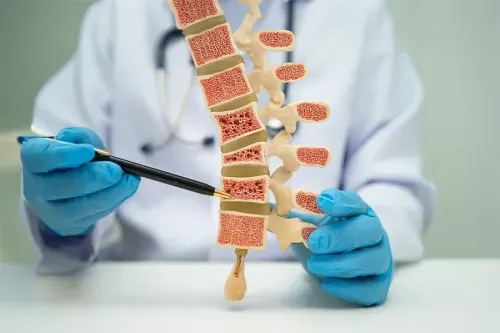
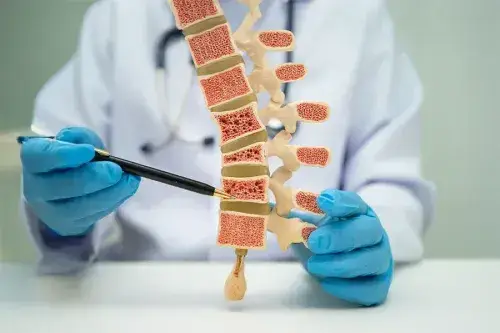
Osteoporosis is a progressive, chronic skeletal disorder that involves depletion of bone mineral density (BMD) and degradation in the microarchitecture of the bone, thereby weakening bones and increasing their susceptibility to fracture, frequently involving the hip, spine, and wrist.
Both men and women can develop osteoporosis, but it occurs most frequently in postmenopausal women and older people. There is no single best treatment for osteoporosis that suits every individual. It depends on a combination of fracture risk, T-score, age, sex, aetiology, and comorbidities.
A reduction in fracture risk through stabilisation or augmentation of bone density and enhancement in bone quality is the treatment objective.
Is Osteoporosis a Serious Condition?
Yes, osteoporosis is a serious and underdiagnosed disease. It's not just because of old age; it's a clinically relevant bone disease that yields:
- Vertebral compression fractures
- Hip fractures are often surgically treated and require long-term recovery.
- Loss of independence, particularly in the elderly
- Chronic pain, back and posture deformities like kyphosis
- Increased mortality, especially following hip fractures
Osteoporotic fractures are a type of fragility fracture, which are due to low-energy trauma, i.e., a minor fall. They may result in unnecessarily prolonged immobilisation, further deterioration of conditions such as venous thromboembolism, and even premature death in severe cases. Early diagnosis and frequent treatment are therefore a must.
What is the Last Stage of Osteoporosis?
The final stage of osteoporosis is termed 'severe' (or 'established') or 'stage 4 osteoporosis'. It is diagnosed when:
- A T-score of minus 2.5 or lower measured by a bone density test called Dual-energy X-ray Absorptiometry (DEXA)
- The patient has suffered one or more fragility fractures, especially of the spine or hip.
- The patient experiences limited mobility, chronic bone pain, and progressive loss of vertebral height.
Such patients face a significantly increased risk of further fractures and require immediate medical intervention with appropriate medications. Severe cases may have several compression fractures of the spine that lead to a hunched back and obstructive lung disease.
Treatment at this stage requires aggressive intervention, proactive fall prevention measures, and comprehensive post-fracture rehabilitation.
What Are the Best Medications for Treating Osteoporosis?
There are two general categories of drugs for the treatment of osteoporosis: antiresorptives and anabolic agents.
Antiresorptive Agents
These decrease osteoclast activity, which are bone-resorbing cells, and as such, they decrease the amount of bone resorption.
- Bisphosphonates: Includes alendronate, risedronate, ibandronate, and zoledronic acid. They are first-line agents. They lower the hip and vertebral fracture risk. Zoledronic acid is given yearly intravenously, a great option for those with a poor drug compliance history.
- Denosumab: RANKL inhibitor, administered subcutaneously every six months. It's especially beneficial in postmenopausal women and those with renal disease or intolerance to bisphosphonates.
- Selective Oestrogen Receptor Modulators (SERMs): Such as raloxifene, with an oestrogenic effect on bone. It is vertebral-fracture specific but not hip fracture and has the potential for causing venous thromboembolism. Key Points to Remember.
- Calcitonin: Previously prescribed for pain control of vertebral fractures, but currently used rarely because it has a minimal fracture prevention effect and it has potential long-term safety risks.
Anabolic Drugs
Anabolic drugs stimulate bone formation by promoting osteoblast activity.
- Teriparatide and Abaloparatide: Parathyroid hormone (PTH) analogues are administered through daily injections given subcutaneously. Prescribed in severe osteoporosis or following numerous fractures. Treatment is restricted to 24 months because of the potential for bone tumours in animal models.
- Romosozumab: Sclerostin inhibitor with anabolic and anti-resorptive effects. Given only monthly for 12 months in total. Very useful in high fracture-risk individuals or recently incurred vertebral body fractures.
A sequential regimen or combination regimen (sequential injection of an anabolic followed by an anti-resorptive) has been found to have the most improvement in BMD as well as reduction in fractures.
Why Are Calcium and Vitamin D So Important in Osteoporosis Management?
Calcium and vitamin D are the secret to successful osteoporosis treatment, the dietary foundation of preventive and treatment programmes. These nutrients:
- Enable maximum bone mineralisation, structuring integrity
- Prevent secondary hyperparathyroidism, which can provoke excess bone resorption
- Augment antiresorptive and anabolic osteoporosis therapy efficacy
Recommended Daily Intake
- Calcium: 1000 to 1200 mg/day, preferably by diet; supplements as required
- Vitamin D: 800 to 2000 IU/day, related to individual serum concentrations
Serum 25-hydroxyvitamin D levels over 30 ng/mL are optimal for bone. Either deficiency or insufficiency of either vitamin can contribute to accelerated bone loss and a significantly elevated risk of falls and fractures.
Can Exercise Help Treat Osteoporosis?
Yes, exercise plays a crucial role in the prevention and treatment of osteoporosis, but it has to be individually chosen and modified. Not all exercise is suitable for persons with low bone density.
Recommended Exercises
- Weight-bearing aerobic activities such as walking, hiking, or dancing that stimulate bone formation
- Resistance training using light weights or resistance bands to strengthen muscles and support bone health
- Balance-exercise exercises such as tai chi or yoga, to enhance stability and prevent falls
Both rotational and high-impact movements must be avoided in advanced osteoporosis to minimise the risk of fracture. An individualised exercise regimen can:
- Enhance body mechanics and posture.
- Significantly reduce fall risk.
- Improves strength/balance.
Who Should Receive Treatment for Osteoporosis?
Osteoporosis treatment is recommended in patients fulfilling certain clinical criteria regarding elevated fracture risk, such as:
- T-score ≤ -2.5 on the DEXA scan
- Women after menopause and men aged 50 and above who have experienced a fragility fracture in the past
- Patients with osteopenia (T-score -1.0 to -2.5) who have an elevated estimated fracture risk, according to the FRAX calculator
- Patients on prolonged corticosteroid therapy, which is favourable for bone loss
Doctors apply the FRAX algorithm to calculate a patient's 10-year probability of hip and major osteoporotic fractures, making it possible to plan individualised treatment according to risk.
How Can Osteoporosis-Related Fractures Be Prevented?
Prevention of falls is an integral part of osteoporosis treatment since most fractures are a result of low-impact falls, particularly among older persons. A good fall prevention plan should consist of:
- Environmental modifications: Remove loose mats, put up grab bars beside the bathroom, and provide sufficient illumination around the house.
- Proper footwear : Wear non-slip, stable shoes to provide stability.
- Regular vision and hearing screening: Correct impairments that will compromise balance or spatial perception.
- Mobility aids: Take the use of canes or walkers as necessary for increased safety in walking.
- Medication review: Decrease or discontinue medications that are drowsy or dizzy-inducing, e.g., some sleeping pills or anxiolytics.
Additionally, muscle strength, adequate vitamin D, and rapid reflexes through specific exercise and dieting diminish the risk of falls and fractures.
Conclusion
The best management of osteoporosis is with the combination of:
- Pharmacologic therapy (antiresorptive or anabolic drugs)
- Supplementation with calcium and vitamin D
- Exercise and prevention of falls
- Lifestyle change
- Repeated monitoring
Sequential therapy in high-risk patients with an anabolic drug followed by antiresorptives yields the best result in terms of recovery of BMD and the avoidance of fractures.
Reader information: This article is intended for general informational and educational purposes only. It does not constitute medical advice, diagnosis, or treatment, and should not be used as a substitute for consultation with a qualified healthcare professional. Osteoporosis diagnosis and management vary based on individual clinical factors, including age, sex, medical history, comorbid conditions, and fracture risk. Treatment decisions should always be made in consultation with a licensed physician or specialist, based on current clinical guidelines and individual patient needs. The information provided reflects general medical knowledge at the time of writing and may not include the most recent research or guideline updates.
Also Read:
→ What is the Best Treatment for Adenomyosis
→ What is the Best Treatment for Acromegaly
→ What is the Best Treatment for Choledocholithiasis
→ Can Pelvic Inflammatory Disease be Treated


Health Insurance Coverage for pre-existing medical conditions is subject to underwriting review and may involve additional requirements, loadings, or exclusions. Please disclose your medical history in the proposal form for a personalised assessment.
This FAQ page contains information for general purpose only and has no medical or legal advice. For any personalized advice, do refer company's policy documents or consult a licensed health insurance agent. T & C apply. For further detailed information or inquiries, feel free to reach out via email at marketing.d2c@starhealth.in







