





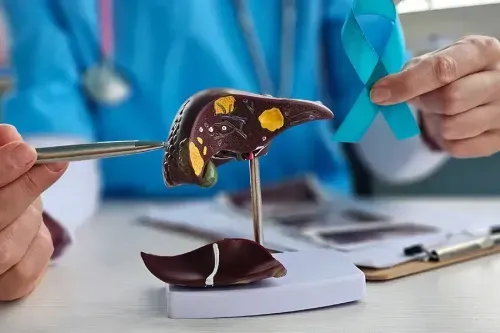
What are the Risk Factors for Liver Cancer?
Top Risk Factors for Liver Cancer: What You Need to Know
Liver cancer, also known as hepatocellular carcinoma, is a serious health condition. More often than not, it goes undetected until it reaches an advanced stage. Knowing the risk factors helps you detect them early and start treatment.
A risk factor determines the chances of getting a disease, such as cancer. Different cancers have different risk factors. These factors may also sometimes vary from person to person.
What Factors Increase One’s Risk of Liver Cancer?
Some risk factors are in your control, such as smoking, while others are not. However, you cannot control other risk factors like genetics.
Several factors determine if an individual will get the disease or not. Those are:
Chronic Viral Hepatitis
The most common risk factor for liver cancer all around the world is a chronic infection with the Hepatitis B virus (HBV) or Hepatitis C. This infection severely damages the liver and is responsible for causing liver cancer, the most common type of cancer.
This virus can spread from person to person through sharing contaminated needles, having unprotected sexual intercourse, or childbirth.
While 90-95% of adults clear HBV acutely, perinatal or childhood infection leads to chronicity in 90% of cases. Chronic HBV drives HCC risk.
However, people infected with Hepatitis C are less likely to develop symptoms. These people become chronic carriers, which increases their likelihood of developing liver cancer.
Cirrhosis
It is a condition in which the liver cells are damaged and replaced by scar tissue. People who have cirrhosis are more likely to develop liver cancer. Multiple studies show that people suffering from liver disease have already seen evidence of cirrhosis.
Primary Biliary Cirrhosis
Some types of autoimmune disease damage the liver and cause cirrhosis. In return, it significantly increases the risk of developing liver cancer. In this condition, your liver's bile ducts are damaged, increasing the chance of a tumour.
Metabolic Dysfunction Associated with Steatotic Liver Disease
It is a common condition in which fat builds up in the liver. This is more common in people who are obese. These people may also go on to develop cirrhosis later in their lives.
Overconsumption of Alcohol
Heavy alcohol use is one of the many reasons why people develop liver cancer. Chronic consumption of alcohol can damage the liver and hinder its function. Therefore, if you are struggling with alcohol, seek help and quit.
Increased Tobacco Use
People who are addicted to smoking or who smoke are susceptible to developing cancer. People who used to smoke but have now left are at a lower risk of developing cancer, but the risk remains.
Certain Rare Diseases
Many rare diseases also contribute to cancerous conditions. They are Tyrosinemia, alpha1-antitrypsin deficiency, Acute intermittent porphyria and porphyria cutanea tarda. Others include glycogen storage diseases and Wilson’s disease.
Sex of the Person
It has been found that men have a higher tendency to develop liver cancer than women.
Symptoms of Liver Cancer
In the initial stages, liver cancer develops without any noticeable symptoms. As it progresses, the following symptoms appear:
Persistent pain in the upper right abdomen
Feeling extremely tired
Weight loss even without trying
Swelling in the abdomen
Nausea or vomiting
Jaundice or yellowing of skin or eyes
Loss of appetite
Which Habits Could Raise Your Risk of Liver Cancer?
The habits that can raise the risk of liver cancer include:
- Having poor dietary choices
- Consumption of sugary beverages
- Eating deep-fried foods
- sedentary lifestyles
- Smoking
- Excessive alcohol consumption, etc.
Thus, it is crucial to note that liver cancer does not happen overnight. It develops due to several factors that increase the chances of developing this disease.
If you have one or more of these conditions, you should talk to your doctor about early detection strategies and minimise the risks.
Also Read:
→ Risk Factors for Oesophageal Cancer
→ Risk Factors for Ovarian Cancer
→ Risk Factors for Periodontal Disease
→ Risk Factors for Rheumatic Fever
HELP CENTRE
Confused? We’ve got the answers
We’re Star Health. We offer the coverage that’s designed to help keep you healthy. It's the care that comes to you, and stays with you.
Liver cancer is often caused by underlying conditions such as cirrhosis, hepatitis, or exposure to toxins. Other factors may include excessive alcohol consumption and non-alcoholic fatty liver disease.
The success rate of liver cancer depends on the type and stage of the cancer. However, early-stage liver cancer has a higher survival rate, while advanced stages have lower success rates.
Several tests, such as blood tests, imaging tests (CT or MRI scans), tumor markers (AFP), and biopsy, are used to detect liver cancer.
Popular Topics
People Also Search For


Health Insurance Coverage for pre-existing medical conditions is subject to underwriting review and may involve additional requirements, loadings, or exclusions. Please disclose your medical history in the proposal form for a personalised assessment.
This FAQ page contains information for general purpose only and has no medical or legal advice. For any personalized advice, do refer company's policy documents or consult a licensed health insurance agent. T & C apply. For further detailed information or inquiries, feel free to reach out via email at marketing.d2c@starhealth.in







