





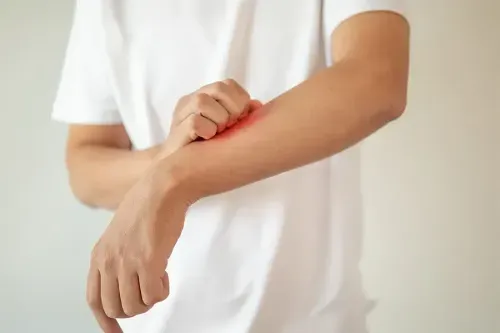
What is Eczema Disease?
A complete Guide to Eczema Disease
Eczema is a group of inflammatory skin conditions, of which atopic dermatitis is the most common type. Although people of all ages may be affected by it, children are at the greatest risk, and it can have a major effect on quality of life.
Hence, learning about the different causes, symptoms and ways to control the disease is essential for successful management.
Keep reading to know more about eczema.
What are the Types of Atopic Dermatitis?
Atopic dermatitis, the most common form of eczema, can present in various forms. Here are some types and variations:
| Type | Age of Onset | Common Locations | Key Features | Prevalence |
| Infantile Atopic Dermatitis | 2–6 months | Face, scalp, extensor surfaces | Red, weeping, crusted lesions | It often improves with age and may persist or evolve into other forms. |
| Childhood Atopic Dermatitis | 2–12 years | Flexural areas (elbows, knees) | Dry, scaly, itchy patches | May continue into adolescence or adulthood. |
| Adult-Onset Atopic Dermatitis | After 18 years | Hands, eyelids, and flexural areas | Lichenified plaques, chronic itching | Usually persistent, with periods of relief and intensification |
| Intrinsic (Non-Allergic) Atopic Dermatitis | Variable | Similar to other forms | Normal IgE levels, no allergen-specific IgE | Accounts for 20% of cases; not associated with allergies. |
| Extrinsic (Allergic) Atopic Dermatitis | Variable | Similar to other forms | Elevated IgE levels, positive allergen-specific IgE | Represents 80% of cases; associated with other atopic conditions like asthma and allergic rhinitis. |
| Erythrodermic Atopic Dermatitis | Variable | Widespread (most of the body surface) | Extensive redness, scaling, and exfoliation | Severe and potentially life-threatening; requires immediate medical attention. |
| Follicular Atopic Dermatitis | Variable | Upper arms, thighs, cheeks | Small, rough papules cantered around hair follicles; sandpaper-like texture | More common in individuals with darker skin tones. |
What are the Causes of Eczema?
The exact cause of eczema is multifactorial, involving a combination of genetic and environmental factors:
- Genetic Predisposition: Loss-of-function mutations in the filaggrin (FLG) gene are associated with impaired skin barrier function and increased risk of atopic dermatitis.
- Immune System Dysfunction: Immune system hyperreactivity leads to inflammation in response to certain stimuli.
- Environmental Triggers: Exposure to things that cause allergies (such as pollen or dust), irritants (such as soaps or detergents), or low humidity can worsen the symptoms.
- Stress: Emotional stress can worsen or trigger flare-ups.
- Skin Barrier Defects: If skin proteins are altered by mutations, the skin’s ability to protect against drying is reduced and becomes susceptible to irritating factors.
What are the Symptoms of Eczema?
Eczema symptoms can vary but commonly include:
- Dry, Sensitive Skin: The skin might feel rough and look flaky.
- Itching: Often causes severe itching, which further damages the skin.
- Red or Inflamed Patches: Most noticeably on the face, neck and limbs.
- Thickened, Cracked, or Scaly Skin: Due to continuous scratching.
- Oozing or Crusting: In the event of infection.
- Hyperpigmentation or Hypopigmentation: The skin may turn discoloured after inflammation.
What is the Diagnosis of Eczema?
Diagnosis is primarily clinical, based on:
- History of Symptoms: Onset, duration, and pattern.
- Family Medical History: In the context of atopic conditions.
- Physical Examination: Evaluating the pattern and appearance of the skin lesion.
- Allergy Testing: To identify specific triggers.
- Skin Biopsy: To eliminate secondary causes.
What are the Treatment Options for Eczema?
While there is currently no cure, eczema treatment aims to manage symptoms and prevent flare-ups:
1. Topical Therapies:
- Emollients: Use a moisturizer daily to keep the skin well hydrated.
- Corticosteroids: To lower inflammation during a flare-up.
- Calcineurin Inhibitors: For sensitive areas or intended for long-term use.
2. Systemic Treatments:
- Antihistamines: Sedating antihistamines may help improve sleep disturbed by itching, but they do not treat eczema inflammation. Non-sedating antihistamines have limited benefit unless coexisting urticaria or allergic rhinitis is present.
- Immunosuppressants: If topical treatments do not respond in extreme cases.
- Biologic Therapies: Such as dupilumab, are designed to treat moderate-to-severe eczema.
3. Phototherapy:
- Supervised exposure to ultraviolet light.
Consulting with a healthcare provider helps you choose the most effective plan for treatment.
What are the Complications of Eczema?
Eczema can lead to further issues if not effectively controlled. They are as follows:
- Skin Infections: Open wounds created by scratching can be invaded by bacteria (for example, Staphylococcus aureus), viruses (for example, herpes simplex, resulting in eczema herpeticum) or fungi, sometimes resulting in cellulitis or sepsis.
- Chronic Skin Changes: Chronic scratching can lead to the development of thick, leathery patches that won’t disappear.
- Sleep Disturbances: Constant itching late at night may prevent people from sleeping well, leaving them feeling much worse during the day.
- Mental Health Issues: The chronic nature of eczema and its obvious signs can lead to stress and conditions such as anxiety and depression.
- Eye Complications: Severe eczema around the eye can result in conjunctivitis, keratitis or cataracts.
How to Care and Manage Individuals With Eczema?
Effective eczema management involves:
- Identifying and Avoiding Triggers: Such as allergens, irritants, and stressors.
- Maintaining Skin Hydration: Through regular use of emollients.
- Implementing a Skincare Routine: Using gentle, fragrance-free products.
- Wearing Soft, Breathable Fabrics: To minimize skin irritation.
- Regular Monitoring: Follow-ups with healthcare providers are needed to adjust treatment as needed.
- Stress Management: Incorporating relaxation techniques into daily routines.
- Dietary Considerations: Identifying and avoiding food triggers, if applicable.
Does Health Insurance Cover Eczema Treatment?
Many health insurance policies in India cover dermatological conditions, including eczema, especially when treatment is deemed medically necessary.
Also Read:
→ What is Dermatomyositis Disease
→ What Degree of Burn is the Worst
→ When is a Fetus’s Brain Fully Developed



Health Insurance Coverage for pre-existing medical conditions is subject to underwriting review and may involve additional requirements, loadings, or exclusions. Please disclose your medical history in the proposal form for a personalised assessment.
This FAQ page contains information for general purpose only and has no medical or legal advice. For any personalized advice, do refer company's policy documents or consult a licensed health insurance agent. T & C apply. For further detailed information or inquiries, feel free to reach out via email at marketing.d2c@starhealth.in







