





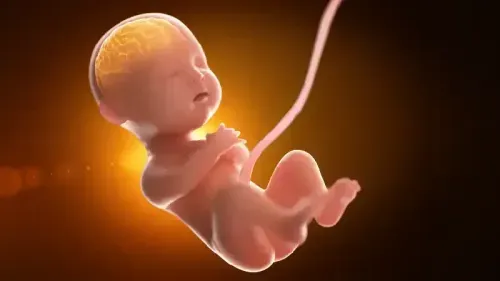
Fetal Brain Development Stages: When Does a Fetus Develop a Brain?
Fetal Brain Development: Week-by Week Pregnancy Stages
The brain is one of the most important parts of the body because it controls everything we do, like moving, breathing, thinking, and feeling. It starts forming just a few weeks after conception and goes through many stages before and after birth.
In this article, we’ll answer common questions about how the brain grows during pregnancy, when it is considered developed, and what can help or harm brain development.
When Does the Brain Start Developing in a Fetus?
The brain starts forming very early in pregnancy. In the first month, a structure called the neural tube develops. The neural tube closes by the end of the 4th week of gestation (around days 22–28 after conception).
After that, the brain starts forming three main parts — the forebrain, midbrain, and hindbrain. These later become the different areas of the brain, and the cerebrum (the largest part of the brain) begins to split into left and right sides.
Stages of Prenatal Brain Development
Around week 7, from the time the neural tube closes, the brain undergoes rapid growth, with peak neuron production reaching an estimated rate of up to 250,000 neurons per minute during specific periods of development in the womb. Early spontaneous movements may begin in the embryonic period, but ultrasound detection of movement is more consistently observed around 7–8 gestational weeks. This observed movement reflects the early functioning of the developing nervous system and the electrical impulses that regulate it.
Here is a detailed overview of the entire process:
- First Trimester (weeks 1–12): The brain begins to form. By the end of this stage, the main areas of the brain, like the cerebrum, cerebellum, and brainstem have started to take shape.
- Second Trimester (weeks 13–26): The brain grows faster now. Brain cells called neurons are created in large numbers, and the brain’s surface starts developing folds and grooves. Additionally, the brain begins to control some bodily functions. For example, the baby starts making small chest movements. By mid‑pregnancy, fetal movements are mainly regulated by the spinal cord and brainstem, while the cerebellum begins developing its role in coordination. The brainstem is nearly fully formed by the end of this trimester.
- Third Trimester (weeks 27–40): During this time, the brain almost triples in size. The cerebrum develops more grooves and divides clearly into left and right sides. Meanwhile, the cerebellum, which helps with movement and balance, grows the fastest.
The baby’s brain also makes more connections between neurons and starts making myelin, a coating that helps brain signals travel more quickly.
When is the Fetal Brain Considered Fully Developed?
There’s no exact moment when the brain is "fully" developed. However, by about 38 weeks of pregnancy, most of the brain’s structure is in place:
- The brain has clear folds and grooves.
- Most neurons are formed.
- The brain starts making more connections and begins forming myelin.
Why is Brain Development Important During Pregnancy?
Healthy brain development during pregnancy is crucial because it helps the baby learn, move, remember, and feel emotions later in life. If something goes wrong during this stage, it can lead to learning or developmental problems later on.
What Can Affect Fetal Brain Development?
Several aspects can harm fetal brain development, such as:
- Poor Nutrition: Poor nutrition during pregnancy can harm the baby’s brain. If a mother is undernourished, it can lead to learning and memory problems. On the other hand, obesity and diabetes are linked to conditions like ADHD and autism in children.
- Infections: Any infection during pregnancy can increase the risk of brain-related problems in babies. Certain viruses like flu, rubella, and Zika can lead to conditions like autism, schizophrenia, or even brain damage.
- Stress During Pregnancy: When a pregnant woman experiences high levels of stress, it can affect the baby’s brain and behavior.
- Transgenerational Effects: Problems during pregnancy may not only affect the baby but also future generations. This can happen through changes in how genes work or through repeated exposure to poor environments.
- Low Income and Lack of Support: Families with lower income often face more stress, poor diet, and limited access to healthcare during pregnancy. These factors increase the risk of brain development issues in babies.
How to Support Baby’s brain development?
Intake of at least 600 micrograms (mcg) of folate, or folic acid, during pregnancy is crucial. The recommended amount from supplements is often 400 mcg. This vitamin is critical for the proper closure of the neural tube very early in pregnancy, which forms the baby's brain and spine. Adequate folate supports healthy development throughout pregnancy. Prenatal vitamins are specifically formulated to deliver essential nutrients during pregnancy and are enriched with extra folic acid. In case you are not getting enough from your diet, consult with your doctor about the best kind of prenatal vitamins supplement for you. At the same time, you can easily get folate from your diet by consuming flax seed, whole grains, and leafy green vegetables.
Omega-3 fatty acids are another important or vital nutrients for baby's brain growth. The brain is composed of mostly fat tissue, which makes these fatty acids significant. In brain, eyes, and nervous system, Omega-3s are a structural fat and they help develop the neural pathways and communication between the different parts of the brain. You can get these naturally through fatty fish-like salmon or from walnuts, certain nut butters, and avocados. You can also take fish oil or another type of Omega-3 supplement. It is important to consult with your doctor before taking supplements.
Does the Brain Keep Developing After Birth?
Yes. Brain development continues quickly after the baby is born. In the first few years of life, the brain grows and changes based on what the baby sees, hears, and feels. Talking to your baby, playing with them, and giving them a loving environment helps their brain develop in the best way.
The journey of brain development begins very early in pregnancy and continues well beyond birth. What a baby sees, hears, and feels in the first few years helps shape their brain. Eating healthy, avoiding harmful substances, and giving love and care after birth all help the baby’s brain grow strong and develop faster.
Reader Information: This article is intended for general informational and educational purposes only. It does not constitute medical advice, diagnosis, or treatment, and should not be used as a substitute for professional medical guidance. Brain development during pregnancy can vary between individuals, and outcomes depend on multiple factors including genetics, maternal health, and environmental influences. Always consult a qualified healthcare professional, obstetrician, or paediatric specialist for personalized medical advice, especially regarding pregnancy, nutrition, supplements, infections, or concerns about fetal development.
Also Read:
→ What are Menkes and Wilson's diseases
→ Is Autoimmune Pancreatitis Curable
→ What are the 4 stages of pancreatitis
Popular Topics
People Also Search For


Health Insurance Coverage for pre-existing medical conditions is subject to underwriting review and may involve additional requirements, loadings, or exclusions. Please disclose your medical history in the proposal form for a personalised assessment.
This FAQ page contains information for general purpose only and has no medical or legal advice. For any personalized advice, do refer company's policy documents or consult a licensed health insurance agent. T & C apply. For further detailed information or inquiries, feel free to reach out via email at marketing.d2c@starhealth.in







