





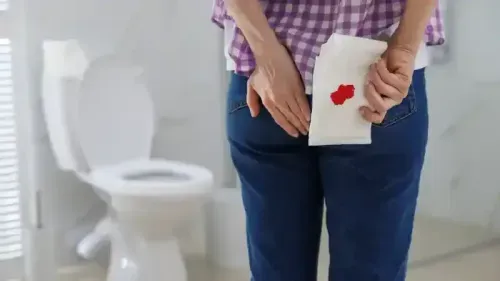
Why Do I Pass Blood in Stool Without Pain?
Blood in Stool Without Pain? Common Causes Explained
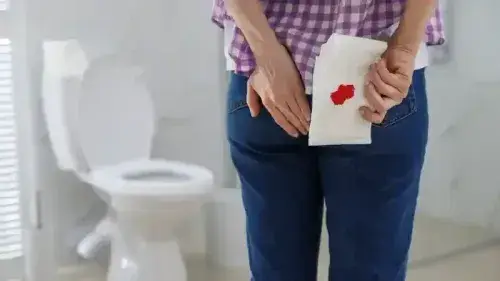
Seeing blood when you go to the bathroom can be scary, especially if you are not feeling any pain. It is easy to jump to worst-case scenarios in your head. But the truth is, there are several common reasons why you might notice blood in your stool without any pain, and many of them are treatable and not dangerous.
So, let’s talk about what could be going on and what you can do about it.
Common Causes of Blood in Stool Without Pain
Colon polyps usually do not cause visible bleeding. When bleeding occurs, it is more often microscopic and detected on screening tests rather than seen in the toilet.
1. Haemorrhoids (Piles)
This is the most common cause of blood during bowel movements, and many people don’t even realise they have them. Haemorrhoids are swollen veins in or around your rectum and anus. They can bleed when irritated, but they do not always hurt.
If you are seeing bright red blood and there is no pain, an internal haemorrhoid is a likely cause.
2. Anal Fissures
These are small tears in the skin around the anus. While they often cause a stinging or burning sensation during bowel movements, they can also bleed with little to no pain. You might see a few drops of blood on the tissue or in the toilet.
3. Colon Polyps
Polyps are small growths on the inner lining of the colon or rectum. Most don’t cause any symptoms, especially in the early stages. But some can bleed slowly over time. Since the bleeding is internal and not due to irritation or injury at the exit point, there’s often no pain. Most polyps are harmless, but some can turn into colorectal cancer if left untreated.
4. Colorectal Cancer
This is a more serious cause, but it’s not usually the first explanation, especially if you're young and otherwise healthy. Colorectal cancer can cause bleeding that’s often invisible to the eye (called occult bleeding), but in some cases, you might notice blood in your stool. This bleeding is typically painless in the early stages.
5. Rectal Ulcers
In rare cases, solitary rectal ulcers can cause bleeding. These are small open sores inside the rectum. They’re not always painful, but they might be linked with straining or chronic constipation.
What the Colour of Blood Can Tell You
The colour of the blood you see can give important clues about where the bleeding is coming from:
- Bright red blood usually means the bleeding is happening close to the anus, like from haemorrhoids or an anal fissure. It is fresh blood that has not had time to darken.
- Dark red or maroon blood might suggest bleeding from higher up in the colon. Conditions like diverticulosis or colon polyps can cause this kind of bleeding.
- Black or tarry stool (called melena) often points to bleeding in the stomach or small intestine. The blood has been digested as it moves through your system.
When Should You See a Doctor
Even though some causes of blood in the stool are minor, it’s important not to ignore them completely. Here are some signs that you should definitely get checked by a doctor:
- The bleeding lasts more than a couple of days
- You notice a lot of blood
- You have other symptoms like diarrhoea, constipation, stomach pain, or weight loss
- Your stool looks very dark, almost black (this can signal bleeding higher up in your digestive system)
- You feel dizzy, weak, or very tired
If you are over 45 or if you have a family history of colon cancer or polyps, it’s even more important to take bleeding seriously and discuss it with a healthcare provider.
How can You Manage Rectal Bleeding Without Pain?
If you experience rectal bleeding without pain, your first and most important step is to consult a doctor for a proper diagnosis. While often caused by common issues like haemorrhoids, painless bleeding can also be a sign of more serious conditions, including colorectal cancer, which requires immediate treatment. The management strategies below may be recommended by your doctor after a benign cause has been identified. There are many ways through which you can manage rectal bleeding.
The following are some beneficial tips you can perform:
- Increase your fibre intake to improve your digestive system.
- Drink plenty of water throughout the day and help keep your stool easier to pass.
- Don’t push yourself too hard when you poop, as this can worsen haemorrhoids or cause fissures.
- Apply over-the-counter haemorrhoid creams, ointments only after consulting a doctor.
- Avoid sitting on the toilet for long periods.
- Try to do light exercise or yoga regularly.
Pooping blood without pain can definitely feel alarming, but in many cases, it is caused by something common and treatable. That said, bleeding is your body’s way of telling you that something needs attention. Even if it is not urgent, it is always smart to have it checked out, especially if it does not go away quickly or if you notice other symptoms.
Reader information: This article is intended for general informational purposes only and does not constitute medical advice, diagnosis, or treatment. The information provided here should not be used as a substitute for professional medical consultation. Symptoms and health conditions can vary from person to person, and only a qualified healthcare professional can provide an accurate diagnosis and appropriate treatment. If you notice blood in your stool or experience any related symptoms, please consult a doctor or healthcare provider promptly. Do not ignore or delay seeking medical care based on information from this article.
Also Read:
→ Can Stress Cause Blood Clots
→ Is There a Blood Test or Scan to Verify BMI Accuracy
FAQs
Painless blood in stool is often due to internal issues like Hemorrhoids, annal fissures, colon polyps, rectal ulcers, etc. However, many causes are treatable and not dangerous, but it's better not to ignore them.
Bright red blood in the stool means the bleeding is happening close to the anus, like from haemorrhoids or an anal fissure. It is fresh blood that has not had time to darken.
No, stress alone cannot directly cause you to poop blood. However, it can worsen gut issues such as acidity or bowel irritation. These conditions may indirectly lead to bleeding if they trigger problems like piles or inflammation.
Colon polyps are usually painless and often don’t show symptoms in the early stages. But some can bleed slowly over time. Most polyps are not dangerous, but some can turn into colorectal cancer if left untreated.
Popular Topics
People Also Search For


Health Insurance Coverage for pre-existing medical conditions is subject to underwriting review and may involve additional requirements, loadings, or exclusions. Please disclose your medical history in the proposal form for a personalised assessment.
This FAQ page contains information for general purpose only and has no medical or legal advice. For any personalized advice, do refer company's policy documents or consult a licensed health insurance agent. T & C apply. For further detailed information or inquiries, feel free to reach out via email at marketing.d2c@starhealth.in







