





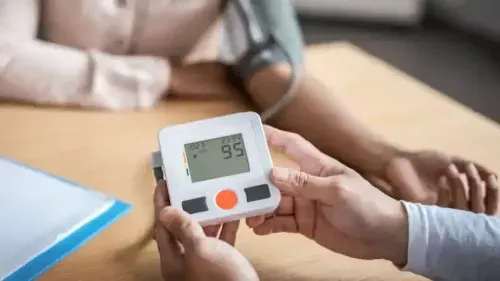
What is the Normal Blood Pressure Range at the Age of 60?
Normal Blood Pressure at 60: Ranges & Management Guide
Blood pressure is a critical indicator of heart health and must be managed carefully as one ages. Everyone over age 60 should know what is considered normal blood pressure to help avoid serious health conditions such as heart disease and stroke.
However, coming up with the "normal" blood pressure for a 60-year-old is difficult, since it depends on their gender, health status and any ongoing medical issues.
Keep reading this guide to learn the average blood pressure for people aged 60 and above, causes of hypertension, prevention tips and other crucial aspects.
What is the Average Blood Pressure for Individuals Aged 60 and Above?
Studies have shown that systolic and diastolic blood pressure readings tend to increase with age. The table below provides average blood pressure ranges for people over 60:
| Age Group | Gender | Average Systolic/Diastolic (mm Hg) |
| 60+ years | Female | 139/68 |
| 60+ years | Male | 133/69 |
However, There is no fixed “normal”. For individuals ≥60, guidelines recommend treatment target <130/80 mmHg if tolerated. These averages serve as general guidelines. Individual fitness goals should be tailored to a person’s health and discussed with a medical professional.
What are the Categories of Blood Pressure?
The American Heart Association classifies blood pressure readings into the following categories:
| Category | Systolic (mm Hg) | Diastolic (mm Hg) |
| Normal | Less than 120 | Less than 80 |
| Elevated | 120–129 | Less than 80 |
| Hypertension Stage 1 | 130–139 | 80–89 |
| Hypertension Stage 2 | 140 or higher | 90 or higher |
| Hypertensive Crisis | Higher than 180 | Higher than 120 |
Doctors typically recommend keeping blood pressure below 130/80 mm Hg for individuals aged 60 or older, particularly for those with other health risks.
Blood Pressure & Stroke
High blood pressure increases the risk of multiple health issues. One of the most severe is stroke.
Persistently elevated blood pressure damages bloods vessels rest of the body, including the brain, and makes them more prone to blockages and ruptures. “Strokes primarily occur in two major forms ischemic and haemorrhagic but other types like transient ischemic attacks (TIAs) also exist. An ischemic stroke is when a blood clot narrows or completely blocks a blood vessel in the brain. The blockage prevents part of the brain from getting enough oxygen, and it dies.
When a blood vessel in the brain bursts then a haemorrhagic stroke happens. This condition deprives parts of the brain of oxygen and can increase intracranial pressure, potentially damaging brain tissue.
Strokes can immediately lead to severe brain injuries, causing in permanent disability or death. Here one question can arise is that - What is stroke-level blood pressure?
Stroke risk increases progressively as blood pressure rises, particularly above 130/80 mm Hg, and is influenced by additional risk factors such as age, diabetes, smoking, and cardiovascular disease. Blood pressure ≥180/120 mm Hg is considered a hypertensive crisis. Immediate medical evaluation is required, especially if symptoms or signs of target-organ damage are present.
Lowering stroke risk is one of the biggest benefits of maintaining a healthy blood pressure.
What are the Causes of Hypertension in Older Adults?
Several factors contribute to elevated blood pressure in individuals over 60:
- Arterial Stiffness: The elasticity in blood vessels decreases with age, increasing the systolic pressure level.
- Lifestyle Habits: Blood pressure levels can increase if you consume too much salt, remain inactive or drink too much alcohol.
- Medical Conditions: People with diabetes and kidney disease may have more trouble managing their blood pressure.
- Medications: Certain types of medication may change your blood pressure.
- Gender Differences: A rise in blood pressure in postmenopausal women may be linked to hormonal shifts.
What are the Hypertension Management Tips for Individuals Over 60?
Effective hypertension management combines lifestyle modifications with medical interventions:
1. Non-Pharmacological Strategies
Managing high blood pressure in older individuals usually starts with changing daily habits. These involve:
- Sticking to a heart-healthy plan (such as the DASH diet)
- Doing physical activities regularly
- Maintaining a good weight
- Quitting the use of tobacco products
- Limiting or avoiding alcohol intake
- Using relaxation methods to keep your blood pressure level when stressed
Making these adjustments supports natural blood pressure control and is usually suggested with or without additional medications.
2. Pharmacological Treatment Options
When lifestyle changes alone are insufficient, physicians may prescribe antihypertensive medications. The main drug classes include:
| Drug Class | Mechanism of Action | Examples |
| ACE Inhibitors | Inhibit the conversion of angiotensin I to angiotensin II, a hormone that raises BP. | Captopril, Enalapril, Lisinopril |
| Calcium Channel Blockers | Lower blood pressure primarily by relaxing blood vessels; some types also reduce heart rate and myocardial contractility. | Amlodipine, Nifedipine, Diltiazem |
| Angiotensin II Receptor Blockers (ARBs) | Prevent angiotensin II from binding to its receptors, reducing blood vessel constriction. | Losartan, Valsartan, Olmesartan |
| Diuretics | Help eliminate excess salt and fluid, lowering blood volume and pressure. | Hydrochlorothiazide, Indapamide |
Note: These medications may be used individually or in combination, depending on the patient’s health profile and blood pressure targets.
Also Read:
FAQs
Coming up with the normal blood pressure for a 60-year-old is difficult, since it depends on their gender, health status and any ongoing medical issues. However, average blood pressure ranges for people over 60 are 139/68 for females and 133/69 for males.
For adults aged 60 and older, any blood pressure reading of 130/80 mm Hg or higher is considered high blood pressure or hypertension.
For most older adults, the ideal, healthy blood pressure reading is less than 120/80 mmHg. However, due to natural blood stiffening with age, a target of less than 130/80 mmHg is often recommended.
Yes, blood pressure tends to increase naturally with age, primarily because artery walls naturally lose elasticity and become stiffer over time, causing the heart to work harder. However, medical professionals do not consider high blood pressure to be an inevitable part of ageing.
How often a 60-year-old should check their blood pressure depends entirely on their current health. If it is normal, then at least once a year is recommended. If it is elevated, every 3 to 6 months, one should go for a blood pressure check. In contrast, if you have been diagnosed with hypertension, then daily or 1–2 times a week at home to track trends and medication is recommended.
Popular Topics
People Also Search For



Health Insurance Coverage for pre-existing medical conditions is subject to underwriting review and may involve additional requirements, loadings, or exclusions. Please disclose your medical history in the proposal form for a personalised assessment.
This FAQ page contains information for general purpose only and has no medical or legal advice. For any personalized advice, do refer company's policy documents or consult a licensed health insurance agent. T & C apply. For further detailed information or inquiries, feel free to reach out via email at marketing.d2c@starhealth.in







