





Mumps: Symptoms, Causes & Treatment
Mumps Viral Disease: Causes, Symptoms, Treatment & Prevention
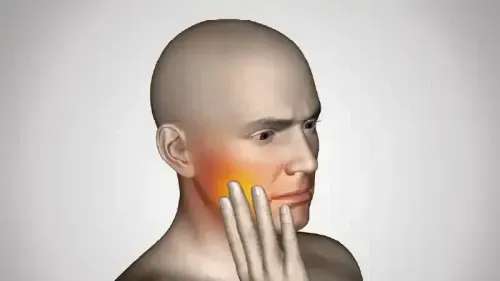
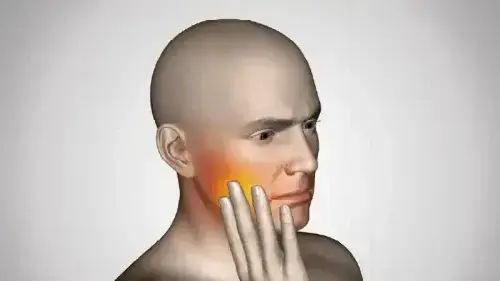
Mumps is a contagious disease spread by the mumps virus, which belongs to the paramyxovirus family. Symptoms include a headache, high body temperature, and fatigue at the onset. In most cases, it can cause major swelling in some salivary glands (parotitis), which results in puffy cheeks and an achy and swollen jaw.
Mumps can lead to complications such as aseptic meningitis, encephalitis, and pancreatitis, regardless of treatment, though most cases are mild. Keep reading to learn in detail about the symptoms, causes, treatment, and prevention tips for mumps.
What is Mumps Disease?
Mumps is contagious viral infection caused by a type of paramyxovirus called mumps virus. Generally, it affects the glands on both sides of the face. Glands affected in this illness include parotid glands which produce saliva. Swollen glands may be painful or fragile.
What are the Signs and Symptoms of Mumps?
Primary symptoms may be similar to flu symptoms including:
- Headache
- Tiredness
- Appetite loss
- Muscles aches or pain
Here’s a detail insight of the signs and symptoms of mumps below:
- The incubation period for mumps is typically 16–18 days, but symptoms can appear anywhere between 12 and 25 days after exposure.
- Mumps usually causes the cheeks to become puffier and the jaw to swell. It happens when the salivary glands beneath the ear swell up.
- In certain circumstances, the first symptoms may appear several days before the swelling.
Sometimes, even after being vaccinated, some people get mumps. However, in most cases, they lead to fewer intense symptoms and lesser complications.
What Causes Mumps?
Mumps is caused by a virus known as the mumps virus. When a person becomes infected with the virus, it can spread to others by contact with saliva or the infected person's nose and throat secretions.
How it spreads?
This disease is transmitted when an infected individual spreads the infection to others via:
- Sneezing, coughing or talking
- Using and handling objects with saliva, such as toys, drinking vessels, and utensils, without washing them
- Contact sports, dancing, kissing, and other activities that bring people close together
Who is at Risk?
Certain types of people are more likely to develop mumps. These groups include:
- People with weakened immune systems
- Those who travel internationally
- Individuals who have not received the mumps vaccine
- Communities where many people live in a small area, for instance, universities
How is Mumps Treated?
There is no special treatment plan for mumps. Usually, the infection will go away without any treatment within a period of one or two weeks. However, the MMR vaccine (measles, mumps and rubella) is the most effective way to prevent mumps. This vaccination can protect individuals and communities from outbreak of this infection. Your doctor will focus on helping your child feel comfortable by treating the symptoms of mumps.
To control mumps symptoms, consider the following tips:
- Drink plenty of fluids
- Gargle warm salt water
- Eat soft, easy-to-chew foods
- Avoid foods that make your mouth wet and may be acidic
- Use ice or heat packs on any swollen areas of the neck
- Reduce the fever and manage pain by using medications such as Acetaminophen or Ibuprofen (ibuprofen should be avoided in infants under 6 months and in dehydrated children).
Note: Don’t give your child aspirin. Children who are infected with mumps and then take aspirin run the risk of getting Reye’s syndrome, which may cause liver failure, brain swelling, and even lead to death.
Complications
While most of the people recover within two weeks without any serious medical complications, but mumps can sometimes lead to more severe issues, such as:
- Meningitis: Inflammation occur in the membranes covering the brain and spinal cord.
- Deafness: Complication can also occur in terms of Sensorineural hearing loss.
- Encephalitis: Brain Inflammation
- Orchitis: This is a common complication in post-pubertal males, occurring in about 20-30% of cases. It involves painful inflammation of one or both testicles.
Can Mumps be Prevented?
Mumps can easily be prevented by using the mumps vaccine. It is typically administered as part of a combination immunization against measles, mumps, and rubella.
During the vaccination process, children are typically given two doses of the MMR vaccine. It is given in two shots: the first when a child is between 12 and 15 months old, and the second shot between the ages of 4 and 6.
Usually, mumps causes very little sickness. A child infected with the virus may display cold-like symptoms that are usually mild. It’s common for painful swelling in the salivary glands to set in a few days after initial infection. Vaccination significantly lowers your child's chance of contracting mumps and passing it on to others (Two MMR doses are 88% effective against mumps.). It also lowers their risk of acquiring any major complications the illness may cause.
Disclaimer: This article is intended for general informational and educational purposes only. Mumps symptoms, complications, and outcomes may vary based on age, health status, and individual circumstances. Always seek the advice of a qualified healthcare professional regarding any medical condition, symptoms, or treatment options.
Also Read:
→ What is obstructive uropathy


Health Insurance Coverage for pre-existing medical conditions is subject to underwriting review and may involve additional requirements, loadings, or exclusions. Please disclose your medical history in the proposal form for a personalised assessment.
This FAQ page contains information for general purpose only and has no medical or legal advice. For any personalized advice, do refer company's policy documents or consult a licensed health insurance agent. T & C apply. For further detailed information or inquiries, feel free to reach out via email at marketing.d2c@starhealth.in







