





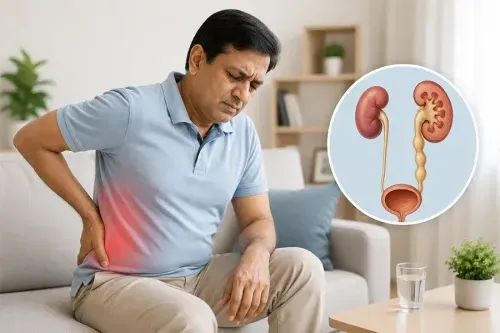
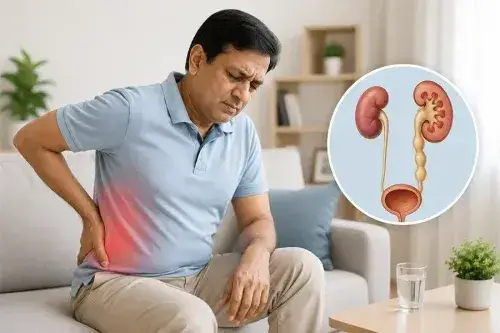
What is obstructive uropathy?
Obstructive Uropathy Explained - Kidney Risk & Relief
"Blocked pipes bring big problems" means urinary tract blockages lead to health complications. Blockages in the urinary tract can cause discomfort, pain, and serious damage. Obstructive uropathy is a chronic or acute condition for all demographics and needs prompt medical care.
Definition of Obstructive Uropathy
Obstructive uropathy is a functional or structural hindrance or blockage in the urinary tract that stops normal urine flow. This condition of blocked urine flow leads to renal failure or dysfunction. It can occur anywhere along the urinary tract, from the renal pelvis and ureters to the bladder outlet or urethra.
Obstructive uropathy may affect one or both kidneys. Bilateral obstruction or obstruction in a solitary functioning kidney can lead to reduced urinary output and elevated serum creatinine. Obstructive uropathy shows a bimodal age distribution, occurring commonly in infants due to congenital anomalies and in older adults due to conditions such as benign prostatic hyperplasia, malignancy, or urethral strictures.
Cause of Obstructive Uropathy
Obstructive uropathy occurs when the urinary system is obstructed and fails to drain urine. This situation forces urine to back up and injures the kidneys. Here are a few causes of blockage:
- Kidney Stone: Kidney stones are carried down the ureters to the bladder from the kidney.
- Strictures: These are abnormal narrowing’s of the urethra or ureters that restrict urine flow and can lead to obstructive uropathy.
- Benign Prostatic Hyperplasia (BPH): BPH is a non-cancerous enlargement of the prostate gland and surrounding tissues in males. It constricts the urethra and creates urination difficulties.
- Pregnancy: During pregnancy, the growing uterus puts pressure on the urinary tract or bladder. During pregnancy, the enlarging uterus may compress the ureters, leading to physiologic hydronephrosis, which is usually benign and rarely causes clinically significant kidney dysfunction.
- Tumour: In case a tumour grows in the urinary tract, the surrounding area of the bladder, or the prostate for males, it can obstruct urine flow. Growing tumours also put pressure on the urethra or bladder and cause obstructive uropathy.
- Uterine Prolapse: It compresses the ureters and blocks the tube that transfers urine from the kidney to the bladder. This situation leads to obstructive urine flow and results in kidney swelling and failure.
Obstructive Uropathy Symptoms
Symptoms appear suddenly or slowly and may include:
- Severe flank pain
- Vomiting and nausea
- Fever
- Frequent urination
- Urinal bleeding
- Dribbling of urine
- Urinary incontinence
- Weak urine stream
- Burning during urination and foul-smelling urine may occur if obstructive uropathy is complicated by a urinary tract infection
Treatment of Obstructive Uropathy
Medications for obstructive uropathy use are as follows:
- A drain or ureteral stent will be placed in the renal pelvis to relieve symptoms for a short time.
- Use of nephrostomy tubes for draining urine through the back of the kidneys.
- Placement of a Foley catheter through the urethra into the bladder drains backed-up urine effectively.
- Prescribe antibiotics to deal with urinary tract infections and reduce physical problems.
- Alpha-adrenergic blockers may be used in men with benign prostatic hyperplasia to relieve bladder outlet obstruction, but they do not treat all causes of obstructive uropathy.
How to Prevent Obstructive Uropathy?
There are many ways through which you can help prevent obstructive uropathy. Let’s discuss them:
Use over-the-counter medications with caution. Certain common drugs like NSAIDs (e.g., ibuprofen) can affect kidney health, and antihistamines or decongestants can cause difficulty urinating. Always read labels and talk to your doctor or pharmacist before using OTC medications regularly, especially if you have existing kidney or prostate issues. Follow your doctor's instructions precisely for any prescribed medications.
Eat a balanced, nutrient-rich diet: Be sure to include healthy foods (such as broccoli, beans, apples, almonds) in your diet every day. Avoid packaged foods, excessive sugar and salt.
- Regular physical activity: Exercise/workout for 30-45 minutes every day to keep yourself physically fit and reduce the risk of illness.
- Stay hydrated: Drink at least 5-6 glasses of water every day to stay hydrated. Avoid sugary drinks and soda.
- Quit smoking: In order to prevent yourself from obstructive uropathy, do not smoke. If you use tobacco products, stop them immediately.
- Consistent Checkups: Regular checkups help in early detection of the disease and treatment of potential causes of obstructive uropathy.
Obstructive uropathy is a chronic or acute condition that constrains normal urinary flow and leads to kidney problems. It occurs in the surrounding areas of renal tubules to the external urethral tube due to kidney stones, bladder stones, pregnancy, and the growth of tumour cells.
Urinary difficulties like bladder emptying problems, burning sensations during urination, and foul-smelling urine are major symptoms.
Disclaimer: This article is intended for general informational and educational purposes only. Obstructive uropathy can have multiple causes and varying degrees of severity, and its management depends on individual clinical circumstances. Always seek the guidance of a qualified healthcare professional for diagnosis, treatment, or if you have questions or concerns about urinary symptoms or kidney health.
Also Read:
Related Health Insurance Links


Health Insurance Coverage for pre-existing medical conditions is subject to underwriting review and may involve additional requirements, loadings, or exclusions. Please disclose your medical history in the proposal form for a personalised assessment.
This FAQ page contains information for general purpose only and has no medical or legal advice. For any personalized advice, do refer company's policy documents or consult a licensed health insurance agent. T & C apply. For further detailed information or inquiries, feel free to reach out via email at marketing.d2c@starhealth.in







