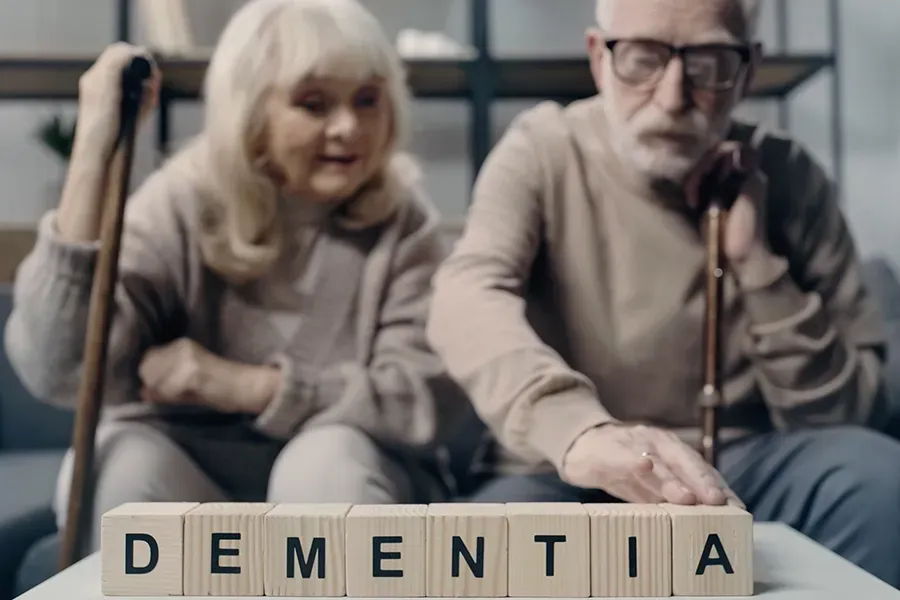
Dementia - Ageing, Cognitive Decline and Risk Awareness
Dementia involves a decline in mental abilities needed for daily life. It develops when areas of the brain linked to memory, learning, decision-making, and language get damaged. Dementia risk and ageing are closely linked, as most cases occur after age 65.
Dementia is not a single disease, but a syndrome characterized by cognitive decline. Alzheimer's disease is the most common cause of dementia. According to the World Health Organisation (WHO), 57 million people live with dementia, with nearly 10 million new cases each year.
Why Ageing Increases Dementia Risk?
As people age, the brain undergoes natural changes that affect memory and thinking. Key areas shrink, blood flow reduces, and harmful proteins may build up, which weakens brain function. These changes raise age-related dementia risk and increase vulnerability.
Along with this, let’s find out what other factors contribute to the causes of dementia in elderly people.
1. Genetic Factors
Genetics also play a role in dementia risk and ageing. Certain genes, such as APOE-e4, increase the chance of developing dementia, especially Alzheimer’s disease. If it runs in the family, the risk may rise. However, genes alone do not decide the outcome, as lifestyle and environment also influence brain health.
2. Lifestyle Impact
Daily habits have a strong effect on brain health over time. Lack of physical activity, poor diet, smoking, and heavy alcohol use can damage blood vessels and brain cells. Long-term stress and poor sleep can also impact memory and cognitive function. These factors explain why ageing increases dementia risk when healthy habits are not maintained.
3. Medical Conditions
Certain health conditions increase dementia risk in older adults and highlight the link between dementia risk and ageing. High blood pressure, diabetes and heart disease damage brain function over time. Stroke and head injuries raise risk. Depression and hearing loss affect mental health and increase the chances of cognitive decline with age.
What Are the Different Types of Dementia?
Dementia can appear in different forms, and not all cases follow the same path. Some symptoms may seem like dementia, but can improve with proper treatment. These may arise from infections, immune issues, hormone imbalance, low sugar, or vitamin deficiency.
Medicine effects and brain conditions like injury, fluid buildup, or tumours can also affect memory and thinking. In such cases, early detection plays a key role in proper treatment.
1. Progressive Dementia
Progressive dementia worsens over time and cannot be reversed. Alzheimer’s disease accounts for 60-70% of cases and is the most common type.
Vascular dementia results from reduced blood flow to the brain. Lewy body dementia may cause hallucinations and movement issues. Frontotemporal dementia affects behaviour, personality, and language skills.
2. Related and Combined Conditions
Some people develop mixed dementia, where 2 or more types occur together in the brain. Conditions such as Parkinson’s disease, traumatic brain injury, Huntington’s disease, or rare brain disorders may also lead to similar symptoms.
Over time, these conditions damage brain cells and affect memory, thinking and behaviour, which can reduce daily independence.
How Can You Reduce the Risk of Dementia?
Taking care of mental health is key to strong brain function. Managing stress, anxiety, and depression can help protect memory and support brain health over time. For instance, activities like reading, puzzles, and learning new skills keep the mind active and engaged.
Let us now find out what other steps can help reduce the risk of dementia as you age.
- Be Physically Active: Regular exercise improves blood flow to the brain. Aim for at least 150 minutes of activity each week to support overall brain function.
- Healthy Diet and Habits: Choose fruits, vegetables, whole grains, and healthy fats to support brain health. Avoid smoking and limit alcohol to protect brain cells.
- Manage Health Conditions: Control blood pressure, diabetes, and cholesterol. These can damage blood vessels and increase the risk of cognitive decline over time.
- Maintain Social Connections: Stay connected with family and friends. Social interaction reduces loneliness and keeps the brain active and engaged daily.
- Get Quality Sleep: Good sleep supports memory and brain repair. Aim for 7–8 hours each night and seek help if you face sleep problems.
- Prevent Injuries: Protect your head from injuries by using safety measures. Falls or repeated head trauma can increase the risk of cognitive decline later.
- Regular Health Checkups: Visit your doctor regularly for screenings and advice. Early detection and management of health issues can support long-term brain health.
What Are the Different Medications Used for Dementia?
Treatment often focuses on managing symptoms and improving daily life. Medicines work in different ways to support brain function and help control changes in behaviour, memory, and thinking at various stages.
- Cholinesterase Inhibitors: Improve memory and thinking by adjusting brain chemicals; often used in early to moderate stages to support daily function
- NMDA Receptor Antagonists: Control brain signals and help improve memory and daily activities; usually used in moderate to severe stages
- Anti-Amyloid Therapies: Anti-amyloid therapies may be used in selected patients with early Alzheimer's disease and confirmed amyloid pathology. These treatments are intended to slow disease progression but are not suitable for all patients with dementia.
- Mood and Behaviour Medicines: Manage mood changes, anxiety or behaviour issues linked to dementia symptoms
Final Word
As you grow older, understanding how dementia risk and ageing are related can help you take timely action and protect long-term brain health. Along with healthy habits, the right support system matters.
Reader information: This article is intended for informational and educational purposes only and should not be considered a substitute for professional medical advice, diagnosis, or treatment. While every effort has been made to ensure the accuracy of the information presented, medical knowledge and treatment guidelines may change over time. Dementia is a complex condition, and symptoms, risk factors, diagnosis, and treatment options can vary from person to person. Always consult a qualified healthcare professional for advice regarding any medical condition, concerns about memory or cognitive changes, or before making decisions related to your health. Never disregard professional medical advice or delay seeking care
FAQs
1. What are the main stages of dementia?
Dementia is often described as progressing through early, middle, and late stages, although the pattern and rate of progression vary among individuals and dementia types.
2. How do doctors diagnose dementia?
Doctors review symptoms, medical history, and current medicines. They may order tests to confirm dementia. Diagnosis takes time, as similar conditions must be ruled out while managing symptoms.
3. Is there a cure or treatment for dementia?
There is no cure for dementia, but treatments can help manage symptoms. Care plans vary for each person, and their effect may change as the condition progresses over time.