Ligament Injury Treatment: Symptoms, Management, Rehabilitation, and Recovery
There are various effective options for ligament injury treatment, and the right approach mainly depends on the type and severity of the injury. Ligament injuries are common among people who play sports, stay physically active, or experience sudden falls and twists. These injuries can cause pain, swelling, and restricted movement around the joint.
According to an article published by PubMed Central, ligament and tendon injuries account for nearly 50% of musculoskeletal problems. It remains among the most common orthopaedic conditions that require timely care and rehabilitation.
What Are the Common Symptoms of Ligament Injuries?
Ligament injuries can affect joint movement, balance, and physical activity. Symptoms may vary depending on the severity, location, and extent of ligament damage or tearing.
So, let us find out what signs may indicate the need for ligament injury management and medical care.
- Pain and Tenderness: Sharp pain, tenderness, or throbbing discomfort around the joint may increase during movement, pressure, or physical activity.
- Swelling and Bruising: Swelling and bruising may develop gradually or suddenly due to inflammation and internal bleeding around the injured ligament area.
- Restricted Joint Movement: Ligament injuries may reduce flexibility and make bending, straightening, rotating, or moving the affected joint difficult and painful.
- Instability and Weakness: Severe ligament damage may cause joint weakness, instability, balance problems, or buckling during standing, walking, or movement.
- Popping or Snapping Sound: Some people may hear or feel a popping sensation during injury, especially when the ligament tears severely or suddenly.
What Are the Types and Grades of Ligament Injuries?
Ligament injuries differ based on the amount of tissue damage and joint instability. Doctors usually classify them into sprains, tears, and injury grades to guide treatment.
- Ligament Sprain: A ligament sprain involves stretching or partial tearing of ligament fibres, usually after sudden twisting movements or awkward physical activity.
- Ligament Tear: A ligament tear is a severe injury involving complete ligament rupture. It often requires surgery followed by rehabilitation for ligament injuries.
- Grade I Injury: Grade I injuries involve mild stretching and microscopic fibre damage with slight pain, swelling, and stable joint movement overall.
- Grade II Injury: Grade II injuries involve partial ligament tearing with moderate swelling, bruising, pain, weakness, and reduced joint movement or stability.
- Grade III Injury: Grade III injuries involve complete ligament rupture, severe pain, joint instability, movement difficulty, and possible surgical treatment for recovery.
What Are the Common Treatments for Ligament Injuries?
Ligament injury treatment usually depends on the severity of tissue damage, joint stability, pain levels, and recovery needs. Doctors may combine home care, medicines, rehabilitation, supportive devices, or advanced medical procedures to improve healing and restore normal movement.
1. Pain Relief and Medications
Pain relief medicines such as paracetamol or anti-inflammatory drugs may support ligament injury treatment by reducing discomfort and swelling during early recovery. In severe cases, doctors may use corticosteroid injections to control inflammation. It provides temporary pain relief around the injured ligament.
2. Physiotherapy and Rehabilitation
Rehabilitation for ligament injuries plays an important role in restoring strength, flexibility, balance, and joint stability. Physiotherapists guide patients through stretching, strengthening, movement control, and balance exercises. These therapies prevent stiffness and lower the risk of future ligament injuries or weakness.
3. Supportive Devices and Joint Protection
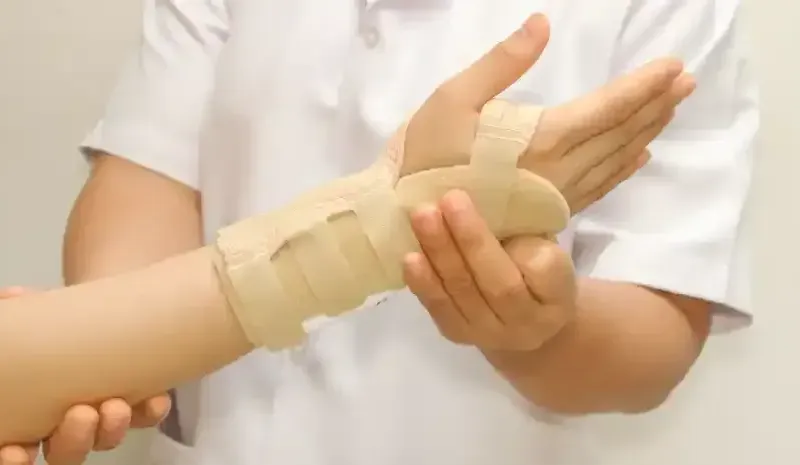
Doctors may recommend braces, splints, taping methods, or crutches to protect the injured joint during recovery. These supportive devices help limit unnecessary movement, reduce stress on damaged ligaments, and improve stability. This allows safer healing while maintaining proper joint alignment and physical support.
4. PRP and Regenerative Therapies
Advanced regenerative treatments such as PRP therapy, stem cell therapy, or growth factor therapy for ligament damage may support tissue repair and faster recovery. These treatments use natural healing components from the body to reduce inflammation. It also improves collagen production and strengthens damaged ligament tissues.
5. Surgical Repair and Reconstruction
Severe Grade III ligament injury or complete ligament tears may require surgery when joints become unstable or movement becomes difficult. Surgeons may repair torn ligaments directly or reconstruct them using graft tissue. This is done through arthroscopic or open surgical procedures followed by rehabilitation support.
How to Manage Ligament Injuries at Home?
The R.I.C.E. method is one of the most common home care approaches. However, this ligament injury treatment is only effective in mild cases.
- Rest (R): Avoid activities that strain the injured joint and allow enough recovery time to prevent further ligament damage or joint instability.
- Ice (I): Apply ice packs for 15–20 minutes every few hours to reduce swelling, inflammation, pain, and discomfort around the injured ligament.
- Compression (C): Use elastic bandages or compression wraps to support the joint, control swelling, and improve stability during movement and recovery.
- Elevation (E): Keep the injured area raised above heart level to reduce fluid buildup, swelling, inflammation, and pressure around the affected joint.
Along with home care, gentle movement exercises, proper hydration, and protein-rich foods may support faster healing and tissue repair. Avoid sports until a doctor confirms safe recovery and joint stability to prevent further ligament damage or delayed rehabilitation.
How Can You Prevent Ligament Injuries?
Many ligament injuries can be prevented with proper care, safe movement habits, and regular physical conditioning during daily activities or sports.
- Warm up before exercise to improve flexibility and prepare joints safely.
- Use proper movement and lifting techniques during sports or physical activities.
- Strengthen supporting muscles to reduce stress and improve joint stability.
- Wear proper footwear with good grip and support during movement or exercise.
- Take regular breaks to avoid overuse, strain, and repetitive ligament stress injuries.
Final Words
Ligament injuries can affect movement, balance, and long-term joint stability if proper care is delayed. Early diagnosis, guided rehabilitation, safe exercises, and supportive treatment play an important role in improving recovery and preventing repeated injuries.
Reader information: This article is for informational and educational purposes only and is not a substitute for professional medical advice, diagnosis, or treatment. Treatment for ligament injuries varies depending on the type, severity, and individual health condition. Always consult a qualified healthcare professional for an accurate diagnosis and personalized treatment plan. Seek immediate medical attention if you experience severe pain, significant swelling, joint deformity, inability to bear weight, or sudden joint instability.
FAQs
1. How do doctors diagnose ligament injury?
Doctors diagnose ligament injuries through physical examinations. Imaging tests such as X-rays, MRI scans, or ultrasound are also common methods to check ligament damage and injury severity.
2. What are the risks of ligament repair or reconstruction surgery?
Possible risks include bleeding, infection, blood clots, pain, swelling, limited knee movement, or joint instability after surgery. Recovery risks may vary depending on overall health and injury severity.
3. How long does ligament injury recovery take?
Recovery depends on the injury severity. Mild Grade I sprains may heal within weeks. However, severe Grade III tears can take several months with surgery and physiotherapy.