Peripheral Neuropathy Treatment and Management for Better Nerve Health
Peripheral neuropathy affects nerves outside the brain or spinal cord and may develop due to diabetes, infections, injuries, or inherited conditions. Since causes vary, peripheral neuropathy treatment may differ from person to person and often focuses on symptom relief or the underlying condition.
According to the National Library of Medicine, about 2.4% of people experience this condition, while the number rises to 8% in older adults. It is important to understand the type and cause of peripheral neuropathy to choose the most suitable treatment.
What Are the Different Types of Peripheral Neuropathy?
Peripheral neuropathy affects nerves in different ways based on the type involved. Some affect sensation or movement, while others disrupt body functions. Understanding each type helps doctors choose the right peripheral neuropathy treatment.
- Inherited Peripheral Neuropathy: Develops due to genetic conditions that affect movement, sensation, balance, muscle strength, or nerve communication.
- Acquired Peripheral Neuropathy: Occurs later in life and includes conditions that affect movement, sensation, nerve function, or muscle strength.
- Sensory Neuropathy: Affects nerves responsible for pain, touch, temperature, or sensation, often leading to numbness or tingling.
- Motor Neuropathy: Impacts muscles controlled by the brain, which can result in weakness, cramps, twitching, or poor stability.
- Autonomic Neuropathy: Disrupts automatic body functions, including sweating, swallowing, blood pressure regulation, or bladder control.
What Are the Causes of Peripheral Neuropathy?
Peripheral neuropathy also develops due to several health conditions, injuries, infections, or medicines. Identifying the cause is important because it helps doctors choose the effective peripheral neuropathy treatment for each person.
- Diabetes: High blood sugar damages nerves over time, especially when diabetes remains poorly controlled for many years.
- Infections: Infections such as shingles, HIV, or Lyme disease damage nerves and trigger pain, weakness, or numbness.
- Injuries and Physical Damage: Broken bones, surgery, tight casts, or injuries place pressure on nerves and disrupt normal nerve function.
- Vitamin Deficiencies: Low vitamin B12 or folate levels weaken nerve health, which can trigger numbness, weakness, or pain.
- Autoimmune Conditions: Conditions such as lupus or rheumatoid arthritis attack healthy nerves, which damages nerve tissue over time.
- Medicines and Toxins: Certain medicines or toxic substances damage nerves, which increases the risk of neuropathy-related symptoms.
- Kidney, Liver, and Thyroid Conditions: Kidney, liver, or thyroid problems affect nerve health and disrupt normal nerve function over time.
- Cancer and Rare Conditions: Certain cancers or rare conditions damage nerves, which increases the risk of peripheral neuropathy symptoms.
What Are the Different Peripheral Neuropathy Treatment Options?
The best peripheral neuropathy treatment depends on the cause, symptoms, and severity of nerve damage. Some treatments focus on the underlying cause, while others help manage pain, improve movement and support nerve recovery.
So, how does the entire process of treatment of peripheral neuropathy boost overall well-being? Let's find that out.
1. Treating the Underlying Cause
The accurate treatment of peripheral neuropathy begins by treating the underlying cause. This reduces symptoms, improves nerve function, or stops the condition from worsening.
- Diabetes Management: For diabetic peripheral neuropathy treatment, better blood sugar control, exercise, healthy eating, quitting alcohol and smoking support nerve health.
- Vitamin B12 Treatment: Low vitamin levels often require vitamin B12 tablets or injections to support healthier nerve recovery.
- Medicine Changes: Some medicines damage nerves over time, so doctors sometimes adjust or stop them to reduce symptoms.
- Autoimmune Treatment: Steroids, immunosuppressants, or intravenous immunoglobulin often help reduce inflammation and calm immune activity.
2. Managing Nerve Pain
Nerve pain often feels different from regular pain. Doctors usually suggest specific medicines or therapies to improve comfort and manage symptoms better.
- Prescription Medicines: Doctors often suggest amitriptyline, duloxetine, pregabalin, or gabapentin, usually starting with lower doses first.
- Capsaicin Therapy: Capsaicin creams or patches help reduce nerve pain, though some people might notice burning or irritation.
- Use of Tramadol: Doctors sometimes recommend tramadol for severe nerve pain, though only for short-term symptom relief.
3. Alternative Therapies and Physical Support
The painful peripheral neuropathy treatment often requires therapies to improve comfort. Physical support or complementary methods help improve movement and daily function.
- Acupuncture: This therapy uses thin needles on specific body areas to help reduce chronic nerve pain and improve comfort.
- Transcutaneous Electrical Nerve Stimulation (TENS): This therapy uses gentle electrical signals to help reduce severe nerve pain and discomfort.
- Meditation and Talk Therapy: Meditation or talk therapy helps some people manage chronic pain, anxiety, or emotional stress.
- Physical Therapy: Peripheral neuropathy physiotherapy treatment helps improve balance, strength, flexibility, movement, and daily function.
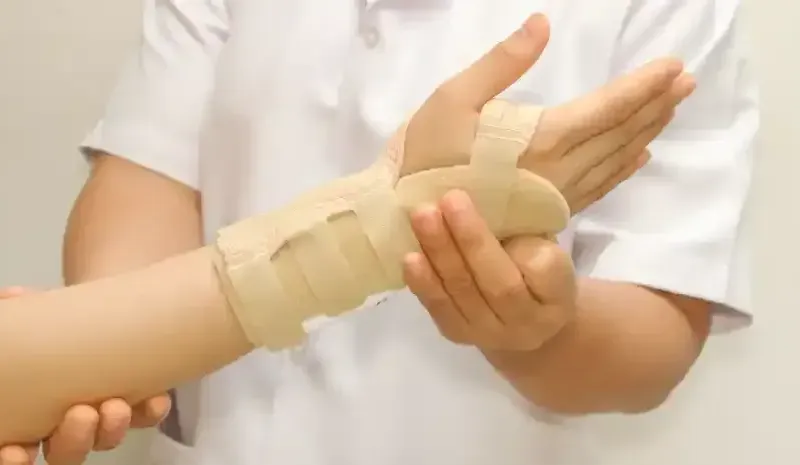
- Braces and Footwear: Braces, splints, walkers, or orthopedic footwear support movement and reduce discomfort or injury risk.
When Should You Seek Emergency Care for Peripheral Neuropathy?
Peripheral neuropathy rarely causes life-threatening problems, but some symptoms need urgent medical attention. Quick medical care helps prevent serious complications.
- Sudden numbness, weakness, facial drooping, or trouble walking can signal a stroke and need emergency care.
- Tingling, weakness moving upward, breathing trouble, or swallowing difficulty can indicate Guillain-Barré syndrome.
- Unusual heart rate, dizziness, fainting, or falls after standing need immediate medical attention.
- Severe pain or difficulty while urinating can signal autonomic nerve-related complications and require urgent care.
Final Word
Healthy habits, medical care, and symptom management all play an important role in recovery. The proper peripheral neuropathy treatment often works best alongside healthy eating, regular movement, blood sugar control, and avoiding smoking or excess alcohol.
Reader information: This article is intended for general informational purposes only and should not be considered medical advice. Always consult a qualified healthcare professional for diagnosis, treatment, and guidance related to your specific health condition.
FAQs
1. When is surgery needed for peripheral neuropathy?
Doctors recommend surgery when trapped or damaged nerves cause severe symptoms. Surgery helps relieve nerve pressure, reconnect damaged nerves, or improve movement in certain nerve-related conditions.
2. How is peripheral neuropathy treated in Ayurveda?
Peripheral neuropathy treatment in Ayurveda focuses on balancing the body’s nerve-related energy (vata) and supporting nerve health through therapies such as Panchakarma, Nasya, or Vasti.
3. Why is foot care important in peripheral neuropathy?
Peripheral neuropathy often affects the feet, which increases the risk of sores, infections, or tissue damage. Regular foot care or visits to a foot specialist help prevent complications.
4. Can peripheral neuropathy become long-term?
Peripheral neuropathy can be short-term or long-lasting based on the cause, nerve damage, and treatment. Conditions such as diabetes often increase long-term risk.
5. How do doctors diagnose peripheral neuropathy?
Doctors use tests such as blood tests, MRIs, nerve ultrasounds, or electromyograms. These tests help confirm peripheral neuropathy and identify the underlying cause.