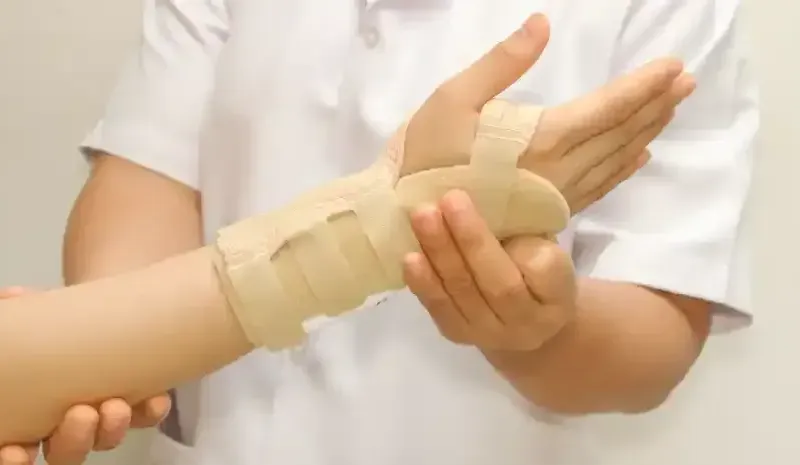
Physical Therapy: Understanding Treatment for Musculoskeletal Disorders
A simple movement like walking, bending, or lifting can become difficult when muscles, joints, or bones are affected by injury or disease. According to the World Health Organisation (WHO), around 1.71 billion people worldwide live with musculoskeletal conditions that impact mobility in daily life.
Physical therapy for musculoskeletal disorders helps improve movement, reduce pain and restore function through guided treatment. It is commonly used for conditions such as ligament sprains, muscle strains, arthritis, fractures, back pain to support recovery before or after surgery to support safer and faster healing.
What Conditions Need Physical Therapy for Musculoskeletal Disorders?
Persistent pain, reduced mobility, or difficulty with daily activities are common indications for physical therapy. It can help restore movement, reduce discomfort, as well as improve overall physical function safely.
However, let us first find out when to start physical therapy for better healing and movement recovery.
1. Overuse Injuries
Repeated stress on muscles, tendons, joints, or nerves may lead to conditions such as bursitis, tendinopathy, or carpal tunnel syndrome. These problems commonly develop from repetitive movements during sports, work, or daily activities and may cause pain, swelling, tingling, weakness, and difficulty with normal movement or function.
2. Ligament and Muscle Injuries
Ligament sprains and muscle strains often occur after sudden twisting movements, excessive stretching, sports injuries, or direct trauma. These injuries can damage soft tissues around joints or muscles. This leads to pain, swelling, weakness, instability, reduced flexibility, along with difficulty performing daily activities or physical movements safely.
3. Fractures and Trauma
Falls, accidents, or direct blows may cause fractures or damage to muscles, ligaments, or surrounding soft tissues. Older adults are especially at higher risk due to weaker bones and joint changes. Physical therapy supports recovery by improving strength, balance, movement, flexibility, coordination, plus safe return to everyday activities.
4. Post-Surgery Rehabilitation
Physical therapy for musculoskeletal disorders supports recovery after surgeries such as joint replacement, ligament repair, or amputation. Rehabilitation programs help restore movement, improve muscle strength, reduce pain, and increase mobility. Physiotherapists also guide patients with exercises and movement techniques for faster recovery.
5. Medical and Degenerative Conditions
Conditions such as arthritis, obesity, cancer, or age-related joint degeneration may affect muscles, bones, as well as overall movement. These problems can cause pain, stiffness, weakness, or reduce mobility over time. Physical therapy helps improve flexibility, reduce discomfort, restore function, and support better independence during daily activities.
What Happens During Physical Therapy for Musculoskeletal Disorders?
Physical therapy treatment guidelines follow a step-by-step process to support recovery. Treatment plans are customised according to individual patients.
1. Assessment and Diagnosis
Physiotherapists assess posture, movement, strength, pain, and flexibility to identify the condition and determine the most suitable treatment approach.
2. Personalised Treatment Planning
Treatment plans combine exercises, manual therapy, rehabilitation methods, and education to address the patient’s specific recovery and mobility needs safely.
3. Manual and Exercise Therapy
Physiotherapists use stretching, massage, strengthening exercises, and movement training to improve flexibility, balance, muscle strength, and physical function.
4. Pain and Swelling Management
Guided rehabilitation techniques help reduce pain, swelling, inflammation, and stiffness while supporting safer healing and improved daily movement abilities.
5. Recovery and Progress Monitoring
Physiotherapists regularly monitor recovery progress, adjust exercises when needed, and support patients in regaining movement, independence, and confidence safely.
What Techniques Are Used in Physical Therapy?
Pain management, manual therapy, and exercise therapy are some of the common techniques used during musculoskeletal rehabilitation.
Let us now discuss what other techniques are used in physical therapy for musculoskeletal disorders.
- Electrotherapy: Techniques like TENS, IFT, ultrasound therapy, and nerve stimulation help reduce pain, swelling, and muscle discomfort safely.
- Dry Needling Technique: Fine needles target muscle trigger points to reduce tightness, improve movement, and relieve pain in affected muscles.
- Cupping Therapy: Cupping therapy is sometimes used as a complementary treatment for pain and muscle tightness, although evidence regarding its effectiveness remains mixed.
- Spinal Decompression Therapy: This non-surgical technique helps reduce pressure on spinal discs and supports recovery from back or neck problems.
- Hydrotherapy: Water-based therapy helps reduce pain, improve movement, relax muscles, and support recovery with minimal stress on joints.
What Are the Advantages of Physical Therapy for Musculoskeletal Treatments?
According to the WHO, musculoskeletal conditions are the leading cause of disability worldwide, with low back pain affecting people across 160 countries. The Rehabilitation 2030 initiative was launched to improve rehabilitation support and address the growing need for musculoskeletal care globally.
- Reduces pain, stiffness, swelling, and inflammation through guided rehabilitation and supportive physical treatment techniques safely.
- Improves muscle strength, flexibility, balance, coordination, and overall movement quality for safer daily physical activities.
- Restores joint mobility and functional movement, making everyday tasks easier, safer, and more comfortable to perform regularly.
- Prevents future injuries through posture correction, body mechanics education, and safer movement techniques during physical activities.
- Supports faster recovery, independence, and long-term rehabilitation through personalised treatment plans and guided home exercise programs.
Final Words
Physical therapy for musculoskeletal disorders plays an important role in improving movement, reducing pain, and supporting long-term recovery. Early treatment, guided rehabilitation, and regular exercises can improve physical function and daily comfort.
Reader information: This article is intended for informational and educational purposes only and should not be considered medical advice, diagnosis, or treatment. Physical therapy recommendations vary based on an individual's condition, medical history, and clinical assessment. Consult a qualified healthcare professional or physiotherapist for personalised evaluation and treatment guidance.
FAQs
1. How long can musculoskeletal pain last?
Musculoskeletal pain may be acute or chronic. Acute pain starts suddenly and usually improves with treatment and rest. Chronic pain can last longer and may depend on the condition, severity, and recovery process.
2. How can musculoskeletal pain be managed at home?
Musculoskeletal pain may improve with rest, hot or cold therapy, stretching, strengthening exercises, stress management, pain relievers, and the RICE method for better recovery and comfort.
3. Who Are Musculoskeletal Physiotherapists?
Musculoskeletal physiotherapists are specialists who assess movement, strength, flexibility, and pain to create personal treatment plans for muscle, joint, ligament, tendon, and bone problems.