Sprains and Strains - Managing Muscle and Ligament Injuries
Imagine twisting your ankle during a busy day and facing difficulty walking. Sprains and strains can disrupt even simple routines if prompt action is not taken. This blog explores effective sprain treatment methods, from the RICE approach and medications to surgery.
Also, you get to know about the recovery timelines and rehabilitation tips that will help you heal with confidence and get back to moving freely without fear of reinjury.
How to Treat Sprains and Strains Effectively?
Sprains and strains can be managed with a combination of self-care and medical treatment. For immediate relief at home, the RICE method is highly effective. Once your condition stabilises, it’s important to consult a doctor. Based on the severity, they may recommend:
- Over-the-counter NSAIDs
- Physical therapy
- Surgery (in severe cases)
How Effective Is the RICE Method for Sprain Treatment?
If you are wondering how to treat a sprain at home, you can use the RICE method as short-term first aid for minor sprains. It may help reduce pain and swelling when used correctly during the first 24–48 hours after injury, but it should not replace medical evaluation if symptoms are severe, worsening, or not improving.
Rest
First, give your body time to heal by avoiding activities that trigger pain, swelling, or discomfort. Do not use the injured part of your body while healing. However, you don’t need to completely stop all movement; gentle activity can still be beneficial.
Ice
Apply ice to the injured area as soon as possible, even if you plan to consult a healthcare professional. Use an ice pack or a bag of ice wrapped in a towel for 15 to 20 minutes at a time. Repeat every 2–3 hours while awake during the first 24–48 hours, and avoid applying ice directly to the skin.
Compression
Use an elastic bandage to wrap the affected area and control swelling. Make sure it’s snug but not too tight, as this can restrict blood flow. Start wrapping from the area farthest from your heart and move inward. Loosen it if you feel increased pain, experience numbness, or swelling below the bandage.
Elevation
Keep the injured area raised above heart level, especially while resting or sleeping. This tactic helps reduce swelling by allowing fluids to drain more easily with the help of gravity.
What are the Other Effective Sprain Treatments?
After exploring at-home treatments for sprains, let’s take a closer look at the other effective treatment options that a healthcare provider could suggest:
Over-The-Counter Pain Relievers
For pain relief, a healthcare professional or pharmacist may suggest over-the-counter options such as paracetamol or ibuprofen, depending on your medical history and the severity of symptoms. NSAIDs such as ibuprofen can help with pain and swelling, but they may not be suitable for everyone, so dosage and duration should follow professional advice or the medicine label.
Physical Therapy
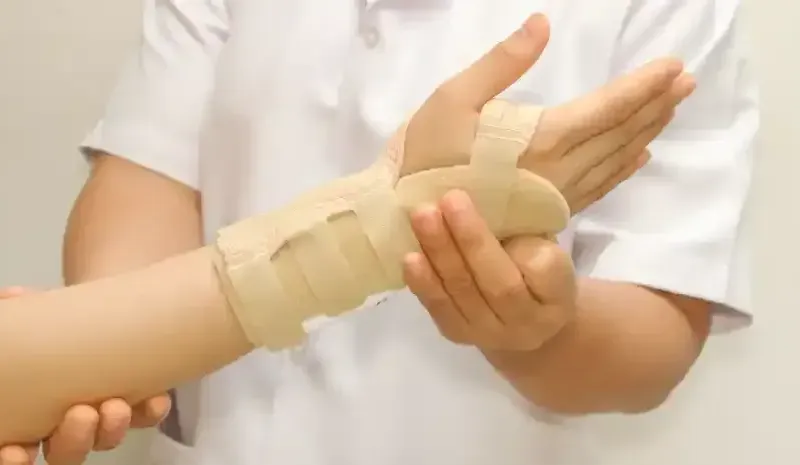
Physical therapy may be recommended when symptoms are moderate to severe, recovery is slow, or there is joint instability. A physical therapist can guide exercises to restore range of motion, strength, balance, and stability. Your doctor may also recommend using a brace, splint, cast, or walking boot depending on the injury severity.
Surgery
Surgery is usually not a common approach in sprain treatment. Doctors may recommend it in severe cases or when there are associated injuries, such as a bone fracture or dislocation. It may be considered if a person suffers from sprains at the same joint repeatedly or fails to heal with standard care.
How Long Does Recovery Take with Sprain Treatment?
According to the NHS, most minor sprains and strains start to feel better within about two weeks. Following your healthcare provider’s guidelines and avoiding strenuous activities like running for up to eight weeks can help reduce the risk of further injury.
However, severe cases may take several months to treat sprains and strains completely and return to normal daily activities.
During the recovery phase, rehabilitation plays a great role. It usually involves guided exercises such as range-of-motion movements, strength-building routines, and balance training to support stable recovery.
When returning to activity, start gradually and avoid high-risk movements like jumping, cutting, or uneven surfaces. Running on flat ground is a safer option in the early stages. If you resume physical activity before you are completely healed, using a brace or taping the ankle can help provide extra support and prevent reinjury.
Wrapping Up
Sprains and strains may seem minor, but appropriate initial care can make a difference in how safely you recover. By following a treatment plan recommended by a healthcare professional, staying consistent with rehabilitation, and avoiding premature return to strenuous activity, you can support recovery and reduce the risk of reinjury.
Reader information: This review is for editorial and clinical accuracy purposes only and is not a substitute for professional medical advice, diagnosis, or treatment. Readers should consult a qualified healthcare professional for personalised care.
FAQ's
What is the best muscle strain treatment at home?
Initial at-home care for a mild muscle strain may include rest, ice, compression, and elevation. A supportive wrap or brace may help in some cases, but activity should be resumed gradually and only as pain allows. Seek medical advice if pain, swelling, bruising, weakness, or difficulty using the area is severe or does not improve.
Is heat or ice better for a sprained ankle?
Ice is generally preferred during the first 24 to 48 hours after a sprained ankle to help reduce pain and swelling. Apply an ice pack wrapped in a towel for 15 to 20 minutes at a time, every 2 to 3 hours while awake. Avoid direct ice contact with the skin.
Can I walk on my sprained ankle after 3 days?
It’s best to consult your healthcare provider before starting walking. Your doctor will assess factors like pain, swelling, and the severity of the sprain before advising you. In more severe cases, they may recommend a short leg cast for 2–3 weeks or the use of a walking boot to support proper healing.