





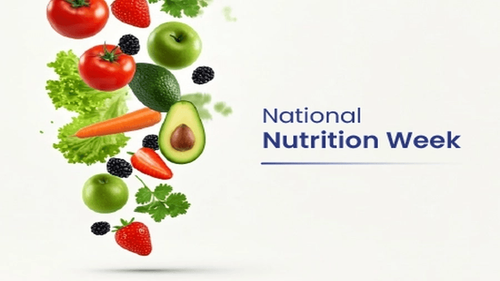
National Nutrition Week 2026
National Nutrition Week 2026: Theme, Importance, and Building Healthy Habits
Most Indian households rarely evaluate daily food choices until a routine health check-up forces the issue. Unplanned, nutrient-poor meals increase the likelihood of developing metabolic disorders. Eventually, elevated blood sugar readings or rising cholesterol levels serve as a clear wake-up call for busy families.
National Nutrition Week 2026 brings this conversation forward, offering a practical framework to improve eating habits and reduce the risk of medical complications.
Understanding National Nutrition Week 2026
1. History and Purpose of the Nutrition Week in India
First launched by the Government of India in 1982, this annual initiative runs from September 1 to September 7.
In many homes, daily meals are rich in carbohydrates like refined rice or wheat but fall short on protein and micronutrients. The campaign encourages families to review cooking techniques and daily nutritional balance.
The theme of National Nutrition Week 2026, "Discover the Power of Nutrition," highlights how informed food choices can significantly influence overall health and well-being. It encourages individuals and families to recognise the role of balanced nutrition in preventing lifestyle-related diseases, strengthening immunity, improving energy levels, and supporting long-term wellness through everyday dietary habits.
2. Promoting Preventive Health Through Food
National Nutrition Week 2026 focuses on promoting balanced diets and nutritional awareness. Choosing nutrient-dense food today lowers the risk of developing lifestyle disorders tomorrow. When communities prioritise preventative wellness, long-term public health outcomes improve significantly.
Why Daily Nourishment Matters for Long-Term Wellness
1. How a Balanced Diet Protects Lifestyle Conditions
A balanced diet plays an important role in reducing the risk of developing certain lifestyle-related conditions such as type 2 diabetes, hypertension, and cardiovascular disease and can support their management when combined with appropriate medical care and lifestyle measures.
Consider a professional who routinely skips breakfast and relies on takeaway snacks and late dinners. Over time, this leads to weight gain and persistent fatigue. Replacing processed foods with whole grains, lentils, and fresh vegetables helps restore energy and lowers health risks.
Key benefits of maintaining consistent, wholesome eating habits include:
- Steadier blood sugar levels: Can help reduce large fluctuations in blood glucose levels and may support sustained energy levels.
- Stronger immune response: Provides key vitamins that support natural defences against common infections.
- Better digestive health: High-fibre foods support smooth gut function and help reduce acidity.
- Improved heart wellness: Helps manage cholesterol levels while keeping blood pressure stable.
- Sustained daily energy: Delivers steady fuel for physical activity and mental focus.
2. Long-term Wellness and Health Insurance Benefits
Our eating habits may have an influence on our healthcare expenses over time. Maintaining good health could lead to fewer health insurance claims. Healthy eating habits can support long-term wellbeing and may help reduce the risk of certain lifestyle-related health conditions.
Simple Tools to Build a Nourishing Daily Plate
1. Using the Food Pyramid for Everyday Indian Meals
Understanding nutritional balance does not require a medical background. The classic food pyramid serves as a helpful visual guide for daily meal planning in Indian kitchens.
Apply the food pyramid to standard home cooking:
- Base layer (Whole Grains): Fill most of your plate with brown rice, rotis, oats, or millets like ragi and bajra.
- Second layer (Proteins & Dairy): Include sprouted dals, paneer, eggs, fish, or lean meats alongside fresh curd.
- Third layer (Vegetables & Fruits):Aim for two servings of seasonal vegetables and one serving of local fruit daily.
- Top layer (Fats & Sugars):Use cooking oils, ghee, butter, and refined sugars sparingly across all meals.
2. Quick and Nutritious Healthy Recipes for Busy Families
Eating well does not require spending hours in the kitchen. You can easily adapt traditional Indian dishes into healthy recipes without losing regional flavour.
Try these straightforward meal ideas for your household:
- Vegetable Sprouts Chilla: Blend moong sprouts with green chillies and ginger to make protein-rich savoury pancakes.
- Millet Vegetable Khichdi: Substitute white rice with foxtail millet or oats, cooked with moong dal, carrots, and ghee.
- Curd and Seed Bowl: Pair fresh curd with roasted flax seeds and papaya for a light evening snack.
- Paneer and Spinach Bhurji: Sauté cottage cheese with fresh spinach and mild spices for an iron-dense dinner option.
- Ragi Buttermilk Smoothie: Whisk ragi flour with cooled buttermilk and cumin for a cooling, high-calcium drink.
Spreading Nutrition Awareness in Your Community
1. Small Actionable Steps for Families and Schools
Building a healthier society requires collective effort across neighborhoods, schools, and workplaces. Raising nutrition awareness creates supportive environments where good choices become easy.
Simple steps to promote food literacy locally include:
- Organising school tiffin drives: Encourage packing whole fruits and homemade snacks rather than processed foods.
- Hosting community cooking sessions: Share practical kitchen tips and budget-friendly ideas for balanced home cooking.
- Reading food labels together: Teach children to check sugar, salt, and trans-fat content on packaged items.
- Creating kitchen gardens: Plant easy-to-grow herbs like curry leaves, spinach, and mint in balcony pots.
2. Turning Nutrition Awareness into Daily Family Habits
Participating in National Nutrition Week 2026 starts with simple, conscious choices in your daily routine. Adding an extra portion of green vegetables, selecting whole grains over refined flour, or preparing easy healthy recipes can transform your health over time.
These small habits strengthen immunity, lower chronic illness risks, and reduce unexpected medical expenses. By prioritising a balanced diet today, you protect both your family's physical well-being and your long-term financial peace of mind.
FAQs
It is an annual public awareness campaign held in India from September 1 to September 7 to
promote proper nourishment, balanced eating, and preventive health.
Proper nutrition supplies energy, strengthens immunity, supports organ function, and lowers the long-term risk of chronic conditions such as diabetes and heart disease.
Focus on portion control, include colourful vegetables, choose whole grains over refined flour, stay hydrated, and limit cooked oils and processed sugars.
Health Insurance Coverage for pre-existing medical conditions is subject to underwriting review and may involve additional requirements, loadings, or exclusions. Please disclose your medical history in the proposal form for a personalised assessment.
Information on this Health Information page is for educational purposes and not medical advice. Consult a healthcare professional for any health issues and rely on their guidance for diagnosis and treatment. T & C apply. For further detailed information or inquiries, feel free to reach out via email at marketing.d2c@starhealth.in







