

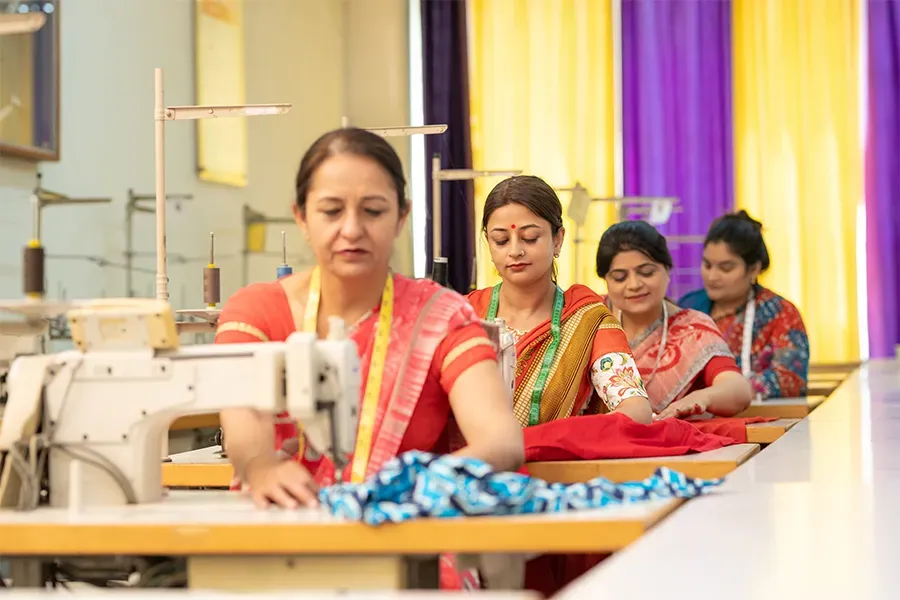
Health Insurance for Working Women
Why Health Insurance is Important for Working Women
More women are taking on professional roles across many fields these days. Women tend to manage family, personal goals, and social commitments, and health might not even be on their priority list. That's why having health insurance is essential for working women.
The main function of health insurance is to support you during medical emergencies or unplanned treatments. It not only protects their health but also saves your hard-earned money.
Why Health Insurance is Important for Working Women
With the increasing cost of medical care, even a short span of hospital stay or a minor surgery can cause huge medical bills. Without health insurance, you might have to lose your savings to pay for these expenses. For working women who want to stay financially independent, this can really affect their future plans.
A health insurance policy will take care of all of your medical bills, so you don’t have to worry about costs and can focus on recovery. Most importantly, it helps you get timely medical care, which can prevent a bigger issue in the future.
Common Health Concerns Faced by Working Women
Women’s health needs change at different stages of life. As a working woman, you might face health concerns related to your body, mind, or reproductive health.
Some common health issues are stress, migraines, thyroid problems, anaemia, and digestive issues. Many women also need regular check-ups for gynaecological health. If you’re planning for pregnancy, maternity expenses can be quite high, especially in private hospitals.
Mental health is just as important. Work pressure, deadlines, and trying to balance everything can lead to anxiety, burnout, or trouble sleeping. It’s a good idea to look for a health insurance plan that covers both physical and mental health treatments.
Key Features to Look for in a Health Insurance Plan
When you’re choosing health insurance, don’t just look at the premium amount. It’s important to focus on what the plan covers, the benefits it offers, and how valuable it will be in the long run.
Make sure the sum insured is enough, especially since medical costs in cities can be high. Also, check if the plan offers cashless hospitalisation, so you don’t have to pay upfront at network hospitals.
It’s helpful if your plan covers day care procedures, since many treatments these days don’t need a full day in the hospital. Also, look for coverage of pre- and post-hospitalisation expenses like tests and follow-up visits.
Check the waiting period for specific illnesses. Some policies make you wait before covering certain treatments, so it’s good to know this before you buy.
Maternity and Women's Specific Benefits
For many working women, maternity benefits are a big factor. Maternity expenses can include doctor visits, delivery charges, hospital stays, and newborn care. Having health insurance with maternity coverage can really help reduce these costs.
Some plans also cover complications during pregnancy and costs for caesarean delivery. Keep in mind, maternity benefits usually have a waiting period. If you buy health insurance early in your career, you’ll have these benefits ready when you need them.
Besides maternity, some health plans also cover women’s specific conditions like breast illnesses, reproductive health issues, and certain surgeries. These extra benefits make the policy even more useful for women.
Mental Health Coverage and Wellness Support
Mental health is now being seen as a key part of overall well-being. Working women often deal with emotional stress from work, family, and society. That’s why having access to mental health support is so important.
Many modern health insurance plans include coverage for mental health consultations, therapy sessions, and counselling. This helps women seek professional help without hesitation or financial worry.
Some insurers also offer wellness programs, regular health check-ups, fitness tips, and stress management support. Getting regular check-ups can help catch health issues early and encourage a healthier lifestyle.
Individual Policy vs Employer-Provided Insurance
Many working women get health insurance from their employers, which is a great benefit. But sometimes, this coverage isn’t enough. Employer-provided insurance may have limits and might not cover your family or certain benefits you need.
Your employer's health insurance ends if you change jobs or resign, leaving you without coverage when you need it the most. It is always best to have your own health insurance policy, which ensures that you're covered wherever you're working. You can customise your plans according to your needs. Even though you have the company's health insurance, it is advisable to have your own, which will offer you additional protection.
Tax Benefits and Financial Planning
Health insurance also gives you tax benefits under Indian tax laws. You can avail tax deductions from the amount that you have paid as a premium, lowering your taxable income and improving your savings. This is very important for a working woman to keep her savings for education, travel or retirement.
By paying a small premium each year, you can avoid big, unexpected expenses and keep your finances stable.
Tips for Choosing the Right Health Insurance
Choosing the right health insurance takes a bit of thought. Take a look at your current health, family history, lifestyle, and future plans. Always read the policy documents carefully so you know exactly what’s covered and what’s not.
It is always good to compare plans to balance cost and benefits. Also, check the feasibility of making a claim, customer support quality and the network hospitals list, which will help you at the time of an emergency.
It’s always better to buy health insurance when you’re younger. Premiums are lower, and you finish waiting periods sooner. This way, you get better coverage when you need it most.
Conclusion
Health insurance isn’t optional anymore for working women. It’s a must-have that supports your health, financial independence, and peace of mind. With medical costs rising and work stress increasing, the right health insurance helps you get timely care without worrying about money.
FAQs
People Also Search For
Health Insurance Coverage for pre-existing medical conditions is subject to underwriting review and may involve additional requirements, loadings, or exclusions. Please disclose your medical history in the proposal form for a personalised assessment.
The information provided on this page is for general informational purposes only. Availability and terms of health insurance plans may vary based on geographic location and other factors. Consult a licensed insurance agent or professional for specific advice. T&C Apply. For further detailed information or inquiries, feel free to reach out via email at marketing.d2c@starhealth.in