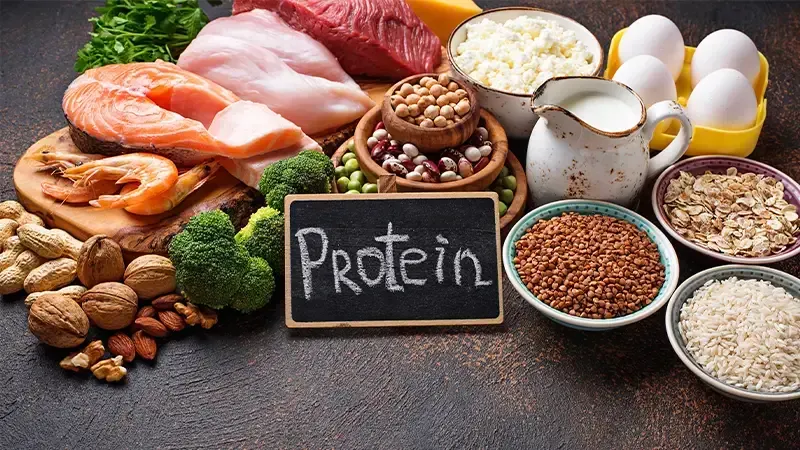
Complete Protein Foods & Whole Protein Sources Explained
Protein is more than just the number of grams listed on a nutrition label. The body breaks protein down into amino acids, which it uses to build and repair tissues and support enzymes, hormones and other essential functions. Nine amino acids are considered essential amino acids because the body cannot make enough of them and must get them from food.
Foods that provide all nine essential amino acids in adequate proportions are commonly called complete protein foods. Eggs, dairy, fish, meat and soy are well-known examples.
What Are Complete Protein Foods?
A complete protein provides all nine essential amino acids:
- Histidine
- Isoleucine
- Leucine
- Lysine
- Methionine
- Phenylalanine
- Threonine
- Tryptophan
- Valine
The term complete describes a food's amino-acid profile. It does not automatically mean that the food is healthier.
For example:
- A complete protein may still be high in saturated fat, calories or sodium.
- A food that is not considered a complete protein can still be an important part of a balanced diet.
- Overall diet quality and variety matter more than choosing a "perfect" protein food.
Best Complete Protein Foods
Several familiar foods naturally provide all nine essential amino acids.
| Food | Key benefit | How to include it |
| Eggs | Complete protein; also provides choline and vitamin B12 | Breakfast, curries or sandwiches |
| Milk & dairy | Protein, calcium and vitamin B12 | Milk, curd, yoghurt or paneer |
| Fish & seafood | Complete protein; oily fish can provide omega-3 fats | Grilled, steamed or in curries |
| Chicken & lean meat | Concentrated source of complete protein; also provides iron, zinc and B12 | Curries, grilled dishes or salads |
| Soy foods | Plant-based complete protein | Tofu, tempeh, soybeans or soy chunks |
| Quinoa | Plant food containing all nine essential amino acids | Salads, bowls or as a grain alternative |
Eggs
- One large egg provides approximately 6 g of protein.
- Eggs also provide nutrients such as choline and vitamin B12.
- They can be included at breakfast, lunch or dinner.
Milk and Dairy Products
Milk contains all nine essential amino acids and also provides calcium and vitamin B12.
Useful options include:
- Milk
- Curd
- Yoghurt
- Paneer
The nutritional profile varies depending on the fat content and preparation.
Fish and Seafood
Fish and seafood are complete protein sources.
- Fish such as salmon also provide omega-3 fatty acids.
- Choose a variety of fish rather than relying on one type.
- Grilling, steaming or baking can help limit unnecessary added fat.
Chicken and Lean Meat
Chicken, particularly skinless breast meat, is a concentrated source of complete protein.
Lean meats can also provide:
- Iron
- Zinc
- Vitamin B12
Portion size and the total fat content of the meal still matter.
Soy Foods
Soybeans, tofu and tempeh are particularly useful for vegetarian diets.
- Soy provides all nine essential amino acids.
- Tofu and tempeh are versatile additions to meals.
- Soy chunks can also be used to increase protein intake in familiar Indian dishes.
Quinoa
Quinoa is commonly described as a complete plant protein because it contains all nine essential amino acids.
It can be used in salads, bowls or in place of other grains, but you do not need to replace traditional Indian staples with quinoa to have an adequate diet.
Complete Protein Foods for Vegetarians
You do not need meat, fish or eggs to get enough protein.
Indian diets already include combinations that can provide complementary amino acids. Examples include:
- Dal + rice
- Rajma + rice
- Chana + roti
- Other pulse + cereal combinations
According to the ICMR-NIN 2024 Dietary Guidelines, cereals tend to be relatively lower in lysine, while pulses tend to be relatively lower in methionine and cysteine.
The guidelines describe a cereal-to-pulse ratio of about 3:1 by raw food weight as an appropriate combination for meeting essential amino-acid requirements.
Other useful vegetarian protein sources include:
- Dal and lentils
- Chickpeas and chana
- Rajma and other beans
- Soybeans and soy products
- Tofu and tempeh
- Milk, curd and yoghurt
- Paneer
- Nuts and seeds
- Grains and millets
Are Plant Proteins Inferior to Animal Proteins?
Not necessarily.
Some plant proteins contain lower amounts of one or more essential amino acids compared with certain animal proteins. However, a varied plant-based or vegetarian diet can still provide all the essential amino acids your body needs.
Focus on variety across the day:
- Include pulses regularly.
- Add soy foods where suitable.
- Include dairy if you consume it.
- Combine grains and pulses in meals.
- Add nuts and seeds in sensible portions.
This approach can also provide other nutrients such as fibre, calcium, iron and healthy fats.
How Much Protein Do You Need Each Day?
Protein requirements vary according to factors such as:
- Age
- Body weight
- Life stage
- Health status
- Physical activity
For healthy adults, the ICMR-NIN recommended dietary allowance is 0.83 g of protein per kg of body weight per day.
| Body weight | Approximate protein requirement |
| 50 kg | 41.5 g/day |
| 60 kg | 49.8 g/day |
| 65 kg | 54 g/day |
| 70 kg | 58.1 g/day |
These are general reference values, not personalised prescriptions. Requirements can differ during childhood, pregnancy, breastfeeding, illness, recovery or specific training programmes.
If you have a medical condition or a specific clinical or athletic goal, speak with a qualified healthcare professional about your individual needs.
Does Cooking Affects Protein Content?
Cooking can change the weight and volume of food without changing its total protein content to the same extent.
For example:
- Dried lentils absorb water during cooking.
- As a result, cooked lentils contain less protein per 100 g than dry lentils.
- Nutrition values should therefore be compared using the same preparation state.
Cooking methods also affect the overall nutritional profile of a meal.
- Boiling, steaming and grilling can be useful preparation methods.
- Deep-frying can substantially increase calories and fat without significantly increasing protein.
Does More Complete Protein Mean Better?
Not automatically. When choosing protein foods, consider the whole food rather than only its amino-acid profile.
For everyday meals:
- Choose a variety of protein sources.
- Include vegetables, fruits and whole grains.
- Prefer less processed options where possible.
- Pay attention to portion sizes.
- Consider saturated fat, sodium and overall calorie intake.
A food can be a complete protein and still not be the best choice for every meal.
The Takeaway!
Complete protein sources provide all nine essential amino acids in adequate amounts. Eggs, dairy, fish, meat, soy and quinoa are examples. For vegetarians, you do not need to find a complete protein at every meal. Instead, eat a variety of protein sources. Try to include pulses and grains regularly in your meals. Add soy and dairy if they fit your diet. Pay attention to preparation methods and portion sizes. And get professional advice if you are targeting any specific diet for your lifestyle or weight management.
Reader Information: This article provides general nutrition information about complete protein foods and protein requirements. Individual protein needs can vary based on age, health conditions, physical activity levels and medical advice from a qualified healthcare professional.