





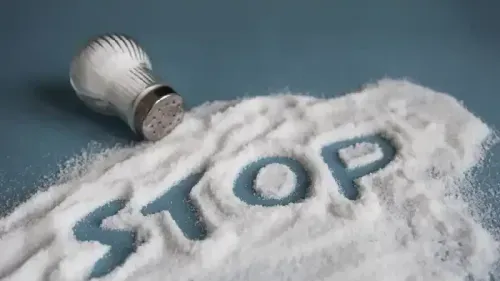
What are the 5 Warning Signs of Excessive Salt Consumption?
How to Spot and Treat Excess Salt in the Body Naturally
Excessive salt consumption can lead to several warning signs in the body. These symptoms develop when the body works to balance sodium and fluid levels. Therefore, it’s crucial to understand the symptoms of excessive salt in your body and how to treat them properly for an improved quality of life.
Keep reading to learn about the warning body symptoms of excessive salt and how to manage it.
What are the Warning Signs of Excessive Salt in Your Body?
Listed below are the potential signs that indicate too much salt in the body:
- Frequent Thirst: Excessive salt intake leads to dehydration as the body tries to flush out the excess sodium, making one feel constantly thirsty.
- Swelling and Puffiness: The body retains water to dilute the high sodium concentration, which leads to swelling, particularly in the hands, feet, and ankles.
- High Blood Pressure: Excess sodium intake increases fluid retention, which raises blood volume and vascular resistance, leading to elevated blood pressure and increased cardiovascular strain.
- Frequent Headaches: Dehydration and blood pressure changes caused by excess salt intake can trigger headaches.
- Kidney-Related Issues: The kidneys are responsible for filtering excess sodium or salt. Too much salt can strain them and lead to kidney problems.
What are the Tips for Lowering Salt in Your Diet?
Reducing the amount of salt in your diet is a smart way to protect your health, especially if you have heart or kidney disease. Here are some simple tips to help you consume less salt:
- Track Your Salt Intake: Start by determining how much salt you consume daily, and which foods contribute the most.
- Cut Down on Salty Foods: Check which salty foods you consume often and have them less frequently. Common high-sodium foods include canned soups, chips, microwave popcorn, frozen meals, and processed snacks. Thus, look for low-sodium or no-salt-added foods.
- Cook More Meals at Home: Foods from restaurants and packaged goods contribute almost 70% of the salt that individuals eat. However, you can control the amount of salt in your food when you cook at home.
- Use Less Salt in Recipes: If you already cook at home, try using less salt in your dishes. Start by cutting the salt amount in half. Once you get used to it, reduce it even more.
- Eat More Potassium-Rich Foods: Potassium helps balance salt in your body and can help lower blood pressure. So, add more potassium-rich foods like avocados, bananas, mushrooms, peas, potatoes, spinach, and tomatoes to your diet.
How Much Salt Per Day is Too Much?
Our bodies need a small amount of sodium (approximately 500 mg per day) to function properly, which is equivalent to about 1.25 grams of salt, and healthy kidneys can effectively manage this amount. Salt enhances the flavour of food, and our taste buds have become used to it. When we reduce our salt intake, meals can taste bland, which many people find poor tasting.
However, our preference for salt is not the only reason we consume too much of it. Over 70% of the salt, we eat comes from food that has been processed in factories or prepared in restaurants. If you frequently consume packaged or restaurant foods, it can be challenging to limit your salt intake.
To address this issue, the Food and Drug Administration (FDA) has established voluntary goals for the food industry to decrease the amount of salt in their products. This initiative aims to help everyone eat healthier.
How to Flush Salt Out of Your System?
If you are feeling the effects of too much salt, there are a few ways to help your body eliminate the excess sodium, which are as follows:
- The best way to lower excess sodium is to exercise daily, such as at the gym, doing yoga, or walking, which causes perspiration.
- The body removes excess sodium primarily through the kidneys, which excrete it in urine. A small amount is also lost through sweat.
- Drink plenty of fluids and avoid salty foods until your sodium level returns to normal.
Being aware of the salt intake is important for maintaining good health and preventing complications like high blood pressure, swelling, dehydration, and kidney strain. Recognising the warning signs of excessive salt consumption, such as constant thirst, puffiness, headaches, and elevated blood pressure, can help you take timely action.
To reduce your salt levels, focus on eating more home-cooked meals, choosing fresh or low-sodium options, cutting back on processed foods, and including more potassium-rich foods in your diet. By making these mindful changes, you can protect your overall well-being for the long term.
Reader Information: This article is intended for general informational purposes only. Individual salt (sodium) needs can vary depending on age, health status, medical conditions, medications, and lifestyle factors. Symptoms such as swelling, high blood pressure, headaches, or kidney-related concerns may have multiple causes and should not be self-diagnosed based solely on dietary information. Individuals with existing medical conditions particularly high blood pressure, heart disease, kidney disease, or electrolyte disorders should consult a qualified healthcare professional or registered dietitian before making significant changes to their salt intake or exercise routine.
Also Read:
→ 10 Health Warnings From Your Fingernails
→ 9 Indicators your Adrenal Glands are Fatigued
→ 7 Alarming Signs Your Gut Microbiome is Unhealthy
People also Search for


Health Insurance Coverage for pre-existing medical conditions is subject to underwriting review and may involve additional requirements, loadings, or exclusions. Please disclose your medical history in the proposal form for a personalised assessment.
This FAQ page contains information for general purpose only and has no medical or legal advice. For any personalized advice, do refer company's policy documents or consult a licensed health insurance agent. T & C apply. For further detailed information or inquiries, feel free to reach out via email at marketing.d2c@starhealth.in







