





Can a Brain Blood Clot be Life-threatening?
Brain Blood Clots: Fatal Risks & Life-Saving Treatments
A blood clot in the brain can be life-threatening if not addressed promptly. This condition is a serious medical emergency that can block blood flow to crucial areas of the brain. When that happens, brain cells can start to die within just a few minutes. The consequences can be severe, leading to significant damage or even long-term disabilities.
Let’s understand how and why this happens, and what can be done to prevent or treat it.
What is a Brain Blood Clot?
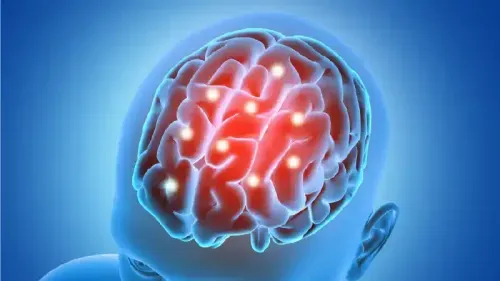
A brain blood clot may cause an ischemic stroke, which can occur due to cerebral thrombosis and cerebral embolism. This clot can either form in the brain itself (thrombus) or travel from another part of the body (embolus). When this blockage occurs, it cuts off the oxygen supply to brain tissue, which leads to a stroke.
How Can a Blood Clot Lead to Death?
The brain needs a constant supply of oxygen and nutrients through blood. A clot can stop or reduce this flow. Without oxygen, brain cells start dying quickly: this is what causes a stroke. The larger the clot or the longer the blockage remains, the greater the damage.
If critical areas like those controlling breathing, heartbeat, or consciousness are affected, it can even be fatal.
Types of Brain Blood Clots
There are two main types:
1. Ischemic Stroke:
- Caused by a blockage (blood clot) in an artery supplying the brain. This is the most common type.
2. Haemorrhagic Stroke:
- Hemorrhagic stroke occurs when a weakened blood vessel ruptures, causing bleeding into or around the brain. It is not caused by a blood clot, although clotting disorders may increase bleeding risk.
While hemorrhagic strokes are usually caused by long-standing high blood pressure, aneurysms, or vascular malformations not by blood clots.
Symptoms That Should Never Be Ignored
A brain clot can come without warning. But there are signs. Quick action can save a life. Common symptoms include:
- Sudden numbness or weakness in the face, arm, or leg (especially on one side of the body)
- Trouble speaking or understanding speech
- Sudden confusion
- Blurred or lost vision in one or both eyes
- Sudden, severe headache
- Dizziness, loss of balance, or coordination issues
If you or someone near you shows these signs, call emergency services immediately. Every minute counts.
What Increases the Risk?
Anyone can get a brain clot, but some people are at higher risk. Factors that increase the chance include:
- High blood pressure
- Smoking
- Diabetes
- High cholesterol
- Obesity
- Lack of physical activity
- Family history of stroke or blood clots
- Heart conditions like atrial fibrillation
- Use of birth control pills (especially when combined with smoking)
- Older age
Can a Brain Clot Be Treated?
Yes, if caught in time. Treatment depends on how early it is diagnosed and how big the clot is.
- Clot-busting drugs (like tPA): If given within a few hours of symptom onset, they can dissolve the clot.
- Mechanical Thrombectomy: A procedure where a device is used to remove the clot from the brain’s blood vessels.
- Surgery: In cases of bleeding or large clots, surgery may be required to reduce pressure on the brain.
- Supportive care: Oxygen, IV fluids, and other measures may be used to stabilise the patient.
What Happens After a Brain Clot?
Survivors may face lasting effects such as speech problems, paralysis, memory loss, or emotional changes. Recovery depends on the size and location of the clot, how quickly the patient received treatment, and the person’s overall health.
To Sum Up,
Yes, a brain blood clot can cause death, but quick action can save lives. The key lies in timely treatment. If you notice signs of a stroke in someone else, you have to act fast. Your brain controls everything you do. Recognising the warning signs and seeking emergency help can make a life-saving difference.
Reader Information: This article is intended for general informational and educational purposes only. It does not constitute medical advice, diagnosis, or treatment. Always seek the advice of a qualified healthcare professional with any questions regarding a medical condition or symptoms. In case of a medical emergency, seek immediate medical attention or contact emergency services.
Also Read:
→ Which Fruit is Good for Blood Clots
→ What is the Recovery Time for a Brain Clot
→ What Food to Avoid for a Blood Clot
→ Will an MRI Show a Blood Clot in the Brain
Popular Topics
People Also Search For


Health Insurance Coverage for pre-existing medical conditions is subject to underwriting review and may involve additional requirements, loadings, or exclusions. Please disclose your medical history in the proposal form for a personalised assessment.
This FAQ page contains information for general purpose only and has no medical or legal advice. For any personalized advice, do refer company's policy documents or consult a licensed health insurance agent. T & C apply. For further detailed information or inquiries, feel free to reach out via email at marketing.d2c@starhealth.in







