





Which Fruit is Good for Blood Clots?
Best Fruits for Blood Clot Prevention
Blood clots are a healthy aspect of the body's healing process. However, if they form unnecessarily, they can cause severe health consequences like a heart attack, stroke, and pulmonary embolism.
Though drugs are often prescribed for patients at high risk, studies reveal that some foods can be complementary to avoid potentially life-threatening clot formation. Read ahead to learn about the various types of foods that can help prevent blood clots.
Eating healthy foods like fruits, vegetables, and whole grains can help you in good blood flow. They help in lowering inflammation and keeping your blood vessels strong; thus minimising the risk of harmful clots.
What are the Top Fruits that Prevent Blood Clots?
Fruits are full of flavonoids, phenols, and antioxidants that assist in lowering inflammation, enhancing cholesterol levels, and inhibiting platelets from aggregating—crucial elements of blood clot prevention.
Listed below are the fruits that help in preventing blood clots:
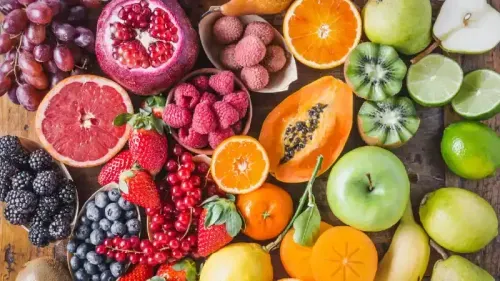
Grapes
Full of flavonoids and vitamin C, grapes inhibit platelet aggregation and promote vascular well-being.
Blueberries
Rich in anthocyanins and antioxidants, blueberries exhibit significant anti-inflammatory and antiplatelet activity, thereby enhancing blood flow and reducing the risk of clot formation.
Pomegranate
Pomegranate is rich in polyphenols, which increase blood fluidity and potentially reduce arterial plaque, thereby decreasing the risk of thrombosis.
Kiwi
Reducing platelet clumping, kiwi promotes healthy blood flow and may decrease the risk of clotting.
Citrus Fruits
Both flavonoids and vitamin C in citrus fruits, such as oranges and grapefruits, are associated with enhanced circulation and decreased clot formation.
Cherries, Apples, Prunes, and Pears
These fruits are also rich in flavonoids and phenols, which support overall cardiovascular health and help prevent blood clots.
What are the Top Vegetables that Prevent Blood Clots?
Vegetables, especially those high in organosulfur content, can even contribute to minimizing blood clot risk:
Garlic and Onions
Both have organosulfur content that decreases cholesterol production and inhibits platelet clumping.
Leeks
Like garlic and onions, leeks support heart protection and enhanced circulation.
Tomatoes
Cherry tomatoes, which contain antiplatelet content, prevent over-clotting.
What are the Top Spices and Herbs that Prevent Blood Clots?
Some spices and herbs have natural blood-thinning properties, such as:
Ginger
It has chemicals that can reduce the risk of blood clots by inhibiting platelet activity.
Turmeric
Curcumin, the active component in turmeric, is anti-inflammatory and antiplatelet.
Black Pepper
Piperine in black pepper can enhance the absorption of health-promoting polyphenols from other foods, such as pomegranate. This helps reduce blood clotting.
What are the Top Omega-3 Rich Foods that Prevent Blood Clots?
Omega-3 fatty acids are heart-healthy and help reduce inflammation and platelet aggregation. This may reduce the chances of blood clots.
Here are some of the Omega-3-rich foods that one may consider:
Fatty Fish
Fishes like mackerel, tuna, salmon, and sardines improve your heart health and help prevent blood clotting.
Seaweed
Seaweeds are rich in natural anticoagulants that improve blood circulation.
Hemp Seeds
These are plant-based sources of omega-3 fatty acids that help prevent blood clotting.
Which Foods Should You Avoid for Blood Clot Prevention?
Inflammation helps heal cell damage caused by invaders, such as microbes, chemicals, and pollen. However, some foods trigger chronic inflammation, raising risks of diabetes and heart disease, which impair blood flow and clotting.
To reduce the risk of blood clotting, avoid refined and processed foods such as the following:
- Sugary cereals
- White bread
- Pastries
- Rice
- Crackers
- Fries
- Packaged snacks
- Processed red meats
- Fast food
- Sodas and other sugary drinks
- Candy
- Trans fats like shortening, margarine, and lard
- Ramen Noodles & Canned Soups
- Soy Sauce & Ketchup
- Green Leafy Vegetables
- Grapefruit, Cranberry, and Pomegranate Juices
- Alcohol
- Frozen Meals
- Packaged Chips
These items promote inflammation, disrupting healthy blood flow and increasing the likelihood of clot formation. Opt for whole, nutrient-rich alternatives instead.
How Do Certain Foods Help Prevent Blood Clots?
A diet rich in a variety of phytochemicals (plant compounds with biological activity) lays the groundwork for optimal circulation and vascular health. While not considered essential nutrients, these compounds show considerable promise for reducing the risks of heart disease and cancer. Here’s how:
Flavonoids and Phenols
Flavonoids and phenols help combat arterial plaques, enhance cholesterol profiles, reduce inflammation, and act as antioxidants. These healthy compounds are abundant in fruits (such as grapes, cherries, and citrus), whole grains, nuts, black or green tea, and even moderate amounts of red wine.
Phytoestrogens
Phytoestrogens in legumes and soy also support heart health by regulating cholesterol levels, increasing "good" HDL cholesterol and decreasing "bad" LDL cholesterol. Likewise, organosulfur compounds in garlic, onions, and leeks suppress cholesterol synthesis in the liver, safeguarding cardiovascular function.
Sufficient Water Intake
Hydration is a key factor in improving blood circulation, yet it is often neglected. Insufficient water intake can cause the blood to become thicker, thereby increasing the risk of blood clots. Drinking enough fluids helps maintain blood viscosity balance, thereby aiding blood circulation.
While these fruits and other food types offer proactive protection, individual needs vary. Consulting a healthcare provider or a nutritionist ensures that your diet aligns with your personal health goals, avoiding unintended interactions or deficiencies.
By prioritizing phytochemical-rich foods, staying hydrated, and seeking professional guidance, you can actively reduce clot risks while promoting long-term vascular resilience.
Signs and Symptoms of Blood Clots in Different Body Parts
The table below shows major signs of blood clotting occurrence in the body:
| Blood Clotting Place | Major Symptoms |
| Brain | Face, legs, and arm numbness Vision loss Speaking and understanding difficulties Headache at an extreme level Dizziness Coordination loss |
| Lung | Bleeding with cough Irregular heartbeat Breathing shortness Sudden chest pain Fever Unnatural sweating |
| Legs or Arms | Pain Swelling, warmth, and tenderness in legs or arms Blue and red skin discolouration |
| Heart | Chest pain Nausea Sweating Headache Breathing issues |
| Abdomen | Vomiting Diarrhea Abdominal pain |
| Kidney | Tenderness and pain in the upper abdomen Urinal bleeding Fever Vomiting Nausea |
Diagnosis of Blood Clots
Laboratory tests help diagnose clotting. These are:
- Ultrasound Scan helps to display blood flow while moving through a vein.
- D-dimer Test shows levels of D-dimer measurement, where a high D-dimer level indicates clots.
- A CT scan provides a clear image of clots in blood vessels and lungs.
- Angiography visualises blood vessels to identify clots or blockages.
- MRI also helps to display clots in blood vessels.
- A ventilation/Perfusion Scan is an ideal diagnostic process for assessing air \flow and blood flow in the lungs.
What is the Best Treatment for Blood Clots?
Overall health and blood clotting status help to decide treatment options.
Anticoagulant Medications
Unfractionated heparin, often combined with antithrombin, prevents the formation of new clots. Otherwise, blood-thinning drugs, including betrixaban, edoxaban, apixaban, rivaroxaban, and dabigatran, can be prescribed orally. Proper dosage and regular use of these medications help to thin the blood and prevent further clotting.
Thrombolytics
Thrombolytics are also drugs recommended for specific patients with large blood clots that have failed to respond to anticoagulant drugs. This drug helps to dissolve all blood clots in the body.
Compression Stocking
This is an elasticated stocking to prevent clots from deep veins in the legs and arms. Compression stocking allows blood to move or flow from the lower legs towards the heart, which helps to relieve painful and swollen blood vessels.
Vena Cava Filters
The Vena cava is a large vein that is present in the abdomen and transports blood from the lower body to the lungs and heart. In this treatment process, the surgeon inserts a filter in the vein and removes clots.
Surgical Thrombectomy
Surgical thrombectomy helps to dissolve large blood clots from arteries or veins and improve the nearby tissues.
In some cases, blood clots cause life-threatening challenges, but several oral medications and surgery successfully prevent them from blocking blood vessels. Doctors diagnose serious health conditions through different lab examinations, such as the D-Dimer test, CT scan, MRI, ultrasound, and angiography. Anticoagulant medication, a combination of blood-thinning and clot-dissolving drugs, is a better treatment option.
Reader information: The information provided in this article is for general awareness and educational purposes only. It is not intended to replace professional medical advice, diagnosis, or treatment. Food choices and their effects on health can vary from person to person based on age, medical history, and existing health conditions. Always consult a qualified doctor, healthcare professional, or nutritionist before making changes to your diet, especially if you have a medical condition or are taking medication related to blood clotting or heart health.
HELP CENTRE
Confused? We’ve got the answers
We're Star Health. We offer the coverage that's designed to help keep you healthy. It's the care that comes to you and stays with you.
To prevent the risk of blood clotting, one should strictly avoid refined and processed foods such as pastries, frozen meals,packed chips, white bread, sugary cereals etc. This will help you reduce the risk of blood clots.
Pain, swelling, redness, warmth in the affected area, especially in the limbs, shortness of breath, chest pain, rapid heartbeat, coughing up blood, and dizziness are some of the common symptoms of blood clots.
Popular Topics
People Also Search For


Health Insurance Coverage for pre-existing medical conditions is subject to underwriting review and may involve additional requirements, loadings, or exclusions. Please disclose your medical history in the proposal form for a personalised assessment.
This FAQ page contains information for general purpose only and has no medical or legal advice. For any personalized advice, do refer company's policy documents or consult a licensed health insurance agent. T & C apply. For further detailed information or inquiries, feel free to reach out via email at marketing.d2c@starhealth.in







