





Symptoms & Causes of Weak Bladder Muscles
Symptoms of Weak Bladder Muscles and Urinary Incontinence
Our bladder muscles work tirelessly to control urine flow. However, these muscles may weaken, leading to symptoms that could be bothersome. Recognising the signs of weak bladder muscles is the first step toward managing this common condition.
Understanding Your Weak Bladder Muscles
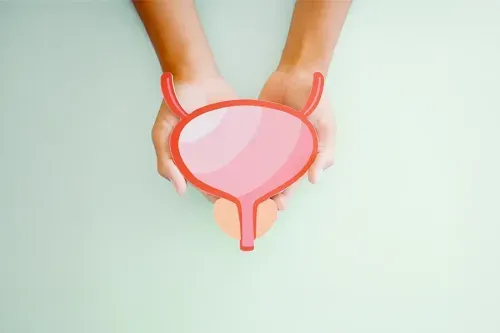
Our bladder is a balloon-shaped organ that stores urine before it leaves the body. Healthy bladder muscles contract and relax in a coordinated manner. For storage, the bladder wall muscle (detrusor) relaxes to fill with urine, while the sphincter muscles contract to hold it in. To release urine, the detrusor muscle contracts to squeeze, and the sphincter muscles relax to let urine out. Urinary symptoms may arise from muscle weakness, muscle overactivity, nerve dysfunction, or obstruction, depending on the type of incontinence.
What Causes Weak Bladder Muscles or Urinary Incontinence?
Health problems, including those with your nervous system, and lifestyle or living standard can cause or contribute to UI (Urinary Incontinence) in women and men.
Health Changes and Problems
Health changes and problems that may result in or contribute to UI include:
- Aging (can weaken muscles)
- Bladder infection (can cause temporary urgency)
- Constipation (puts pressure on the bladder)
- Diabetes (can cause nerve damage and increased urine production)
- Chronic or long-lasting cough (puts stress on pelvic floor muscles)
- Obesity or overweight (increases abdominal pressure)
- Urinary tract obstruction may cause retention or overflow incontinence rather than direct muscle weakness
Nerve Damage
Problems with the nervous system are a common cause of UI, particularly for types like urge incontinence. Nervous carry messages from the bladder to the brain in order to let it know regarding bladder is full. In addition, nerves also carry messages from the brain to the bladder telling muscles either to tighten or release. Ultimately brain decides if it is an acceptable time to urinate or not. Functional incontinence occurs when a person cannot reach the toilet in time due to mobility, cognitive, or environmental limitations, despite normal bladder function.
Bladder Nerves and muscles can be affected by:
- Vaginal childbirth (can stretch and damage nerves and muscles)
- Surgery of prostate cancer (can damage nerves controlling continence)
- Parkinson’s Disease
- Alzheimer Disease
- Stroke
- Multiple Sclerosis
Lifestyle
Lifestyle factors that can increase the risk of UI in both women and men include:
- Certain Medicines (e.g., diuretics, sedatives)
- Eating habits, such as eating foods that leads constipation
- Drinking habits, like alcohol or caffeinated or carbonated beverages
- Lack of physical activity (can contribute to obesity and weak muscles)
- Smoking (can cause chronic cough)
Temporary incontinence is usually a side effect of a medicine or short-term health condition. Temporary incontinence can also be a result of eating and drinking habits, including using alcohol or caffeine.
Common Symptoms of Weak Bladder Muscles
Several indicators suggest a weakened bladder muscle. These symptoms can range from mild to severe, impacting daily life. These are as follows:
1. Urinary Incontinence
It is arguably the most common symptom. It refers to the involuntary leakage of urine. There are several types of urinary incontinence related to weak bladder muscles. They are as follows:
- Stress Incontinence: You may experience this when there is pressure on your bladder. Coughing, sneezing, laughing, lifting heavy objects, or exercising can cause accidental urine leaks.
- Urge Incontinence (Overactive Bladder): This involves a sudden, intense urge to urinate. This urge is difficult to postpone and happens when the bladder muscles contract involuntarily.
- Mixed Incontinence: Some individuals experience a combination of both stress and urge incontinence symptoms. It means they may leak urine with physical activity and also have sudden, strong urges to urinate.
2. Frequent Urination
Do you find yourself needing to use the restroom more often than usual? Weak bladder muscles may cause you to urinate frequently, even if you have consumed little fluid. A healthy bladder holds a good volume of urine. A weakened bladder may signal the need to empty sooner.
3. Nocturia (Waking Up at Night to Urinate)
If you wake up multiple times during the night to urinate, you may have nocturia. It is a common symptom of weak bladder muscles. The bladder may not be able to hold urine through the night, disrupting your sleep.
4. Difficulty Emptying the Bladder
Paradoxically, weak bladder muscles can sometimes make it hard to fully empty your bladder. You might feel like you still need to go after urinating. This sensation can happen because the muscles are not strong enough to effectively push all the urine out, leaving residual urine in the bladder.
5. Weak or Interrupted Urine Stream
A strong, steady stream of urine indicates healthy bladder function. If your urine stream is weak, slow, or stops and starts, it could be a sign of weakened bladder muscles. It can make urination a longer and more challenging process.
6. Dribbling After Urination
After you think you have finished urinating, you might experience a small amount of urine dribbling out. It can be frustrating and embarrassing. It often indicates that the bladder or urethral muscles are not effectively closing off urine flow.
When to Seek Professional Help?
If you experience any of these symptoms, talk to a healthcare professional. They can diagnose the cause of your bladder issues. They can recommend appropriate treatments. Do not feel embarrassed to discuss these concerns. Weak bladder muscles are a common problem. Effective solutions are available to improve your bladder control.
Understanding the symptoms can help you avoid unnecessary complications and managing them with medical intervention.
Disclaimer: This article is intended for general informational and educational purposes only and does not constitute medical advice, diagnosis, or treatment. The information provided here should not be used as a substitute for professional medical consultation, evaluation, or care. Urinary symptoms and bladder conditions can have multiple causes and may vary from person to person. If you experience bladder control issues or related symptoms, you should consult a qualified healthcare professional for proper diagnosis and personalised treatment. Never delay or disregard medical advice based on information from this article.
Also Read:
→ Labor Pain Symptoms And Relief - What to Expect Before Delivery
→ Symptoms of Oxidative Stress in the Brain
People Also Search For


Health Insurance Coverage for pre-existing medical conditions is subject to underwriting review and may involve additional requirements, loadings, or exclusions. Please disclose your medical history in the proposal form for a personalised assessment.
This FAQ page contains information for general purpose only and has no medical or legal advice. For any personalized advice, do refer company's policy documents or consult a licensed health insurance agent. T & C apply. For further detailed information or inquiries, feel free to reach out via email at marketing.d2c@starhealth.in







