





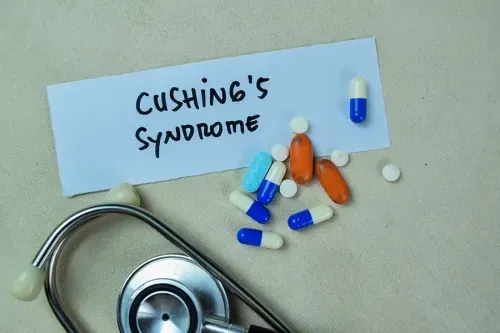
Cushing’s Disease in Women - Symptoms, Causes and Care Options
Recognizing and Managing Cushing’s Disease
The stress of modern life can be exhausting, not only for your mental health but also for your physical health. To combat the stress, your body releases a hormone called cortisol to help manage stress and maintain vital functions. However, when a problem within the body causes chronically excessive cortisol production, it can lead to a disorder known as Cushing's syndrome. Cushing's disease is a specific subtype of this syndrome.
What is Cushing’s Disease?
Cushing’s disease is a hormonal disorder caused by a non-cancerous tumour in the pituitary gland, leading to the overproduction of adrenocorticotropic hormone (ACTH). Named after neurosurgeon Harvey Cushing, the condition primarily affects women.
While not immediately life-threatening, untreated Cushing’s disease can result in serious complications and become fatal over time. Early diagnosis and proper medical intervention are essential for effective management and improved quality of life.
What Causes Cushing’s Disease?
One of the most common causes of Cushing’s disease is a benign tumour (pituitary adenoma) in the pituitary gland. The pituitary gland acts as a control centre for hormones in our body. It instructs the adrenal gland to produce the right amount of cortisol.
However, the tumour causes the pituitary gland to malfunction and produce too much adrenocorticotropic hormone (ACTH). In return, this hormone instructs the adrenal glands to produce excessive cortisol.
Apart from the tumour, pituitary hyperplasia can also cause Cushing’s disease. It refers to an enlarged pituitary gland due to overgrown cells. This phenomenon can also cause excessive ACTH production.
What are the Three Signs of Cushing's Disease?
Cushing’s disease can result in distinct physical features. Three of the most common signs include:
- Thin Arms: Excess cortisol in the body and muscle wasting lead to slender and weakened limbs, while fat accumulates around the abdomen and trunk.
- Moon Face: This disease can also lead to a sudden buildup of fat in the face, causing it to appear round and flushed.
- Buffalo Hump: It is also known as a dorsocervical fat pad, where you gain fat on the back of your neck. This gives a rounded bulge at the base of your neck.
What are the Other Symptoms of Cushing’s Disease?
Apart from weight gain, Cushing’s disease may present itself through other critical symptoms. Knowing these symptoms is crucial in identifying this disease. They are as follows:
- Easy bruising
- Slow healing of wounds
- Acne
- Purple or pink stretch marks throughout the body
- Muscle weakness
- High blood pressure
- Depression
- Fatigue
Women may face additional symptoms such as irregular periods or hirsutism (excess hair growth on the face, chest or back). For men, the condition can cause decreased fertility, low sex drive and problems with erections.
How Do Doctors Diagnose Cushing’s Disease?
These tests are used to confirm excess cortisol production. Additional blood tests, imaging, and sometimes inferior petrosal sinus sampling are needed to confirm Cushing’s disease specifically. They are:
- Steroid Test: Doctors will give you dexamethasone (laboratory-made steroid), which can drop your cortisol levels. However, if you have Cushing’s disease, your cortisol levels will not drop.
- Saliva Test: Doctors will collect your saliva when cortisol levels are generally low (usually 11 pm to midnight). However, people with Cushing's disease will still have a high cortisol level.
- Urine Test: For this, doctors will collect your urine over 24 hours and measure cortisol levels.
What is the Treatment for Cushing’s Disease?
Since the tumours in the pituitary glands are small, doctors recommend removing them. Surgery is the first-line treatment and is highly effective, especially for small tumors (microadenomas), with remission rates for microadenomas are highest in experienced centers and may reach 70–90%, while rates are significantly lower for macroadenomas. Success rates are lower for larger tumors. Even after successful surgery, long-term follow-up is necessary to monitor for potential recurrence.
Radiation therapy may also be used to target residual tumour cells. In addition, doctors may prescribe medications, such as ketoconazole, mitotane, or metyrapone, to help lower excessive cortisol levels.
Other medicines include:
- Cabergoline: This is a dopamine agonist, which in some cases can help reduce ACTH secretion and cortisol production.
- Pasireotide: It is an injection given under the skin to reduce cortisol production.
In rare cases, doctors suggest adrenal gland removal to stop cortisol production in your body.
What is the Diet for Cushing's Disease?
Living with Cushing’s disease involves making important lifestyle and dietary adjustments. A nutritious, well-balanced diet plays a key role in managing its symptoms. Moreover, including foods rich in calcium and vitamin D helps protect bone health.
It is essential to limit processed, fatty and high-sodium foods, as they can raise blood pressure and worsen symptoms. Doctors typically recommend the following foods:
- Egg yolk
- Salmon
- Tuna
- Almonds
- Leafy greens
- Dairy products
- Cod liver oil
- Orange juice
If you feel lost choosing the right food for your diet, consult a nutritionist. They can create a diet chart keeping your nutritional needs in focus.
Cushing’s disease is a rare condition, with an estimated prevalence of approximately 40–70 cases per million people. However, with proper care and management, you can live a healthy and quality life. Cushing’s disease is potentially curable, particularly with successful pituitary surgery, but long-term follow-up is required as recurrence can occur.
Reader Information: This article is intended for general informational and educational purposes only and should not be considered a substitute for professional medical advice, diagnosis, or treatment. Cushing’s disease is a complex condition that requires evaluation and management by qualified healthcare professionals. Consult an endocrinologist or other licensed medical practitioner for personalized medical guidance.
Also Read:
→ Low Parathyroid Hormone (PTH) Symptoms
→ Symptoms of Regular Foot Pain in Women


Health Insurance Coverage for pre-existing medical conditions is subject to underwriting review and may involve additional requirements, loadings, or exclusions. Please disclose your medical history in the proposal form for a personalised assessment.
This FAQ page contains information for general purpose only and has no medical or legal advice. For any personalized advice, do refer company's policy documents or consult a licensed health insurance agent. T & C apply. For further detailed information or inquiries, feel free to reach out via email at marketing.d2c@starhealth.in







