





Endometrial Hyperplasia: Effective Treatments and Prevention
Treating Endometrial Hyperplasia: Hormonal Therapy & Prevention
Did you know that atypical endometrial hyperplasia can carry up to a 30 - 50% risk of concurrent endometrial cancer? This condition, caused by hormonal imbalance, thickens the uterine lining and may progress if untreated. In this article, we will explore what endometrial hyperplasia is, its complications, and the most effective treatments to manage or prevent its progression.
How Do You Treat Endometrial Thickness?
The best treatment depends on the type of hyperplasia and whether a woman wishes to have children in the future.
Progestin can be administered in several forms:
- Oral tablets
- Injections
- Vaginal creams
- Intrauterine devices (IUDs) containing progesterone
This treatment usually continues for a minimum of six months. However, obese individuals may face a higher risk of relapse due to persistent hormonal imbalances. While progestin therapy significantly reduces cancer risk, a small proportion of women particularly those with atypical hyperplasia or poor treatment response may still progress to cancer, highlighting the need for close follow‑up.
Understanding Endometrial Hyperplasia
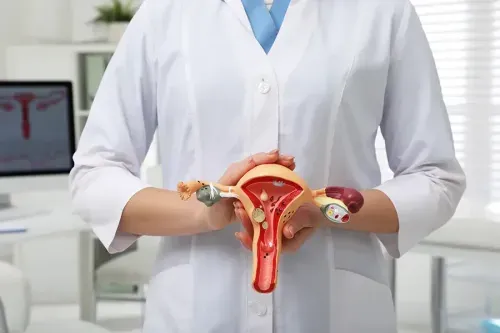
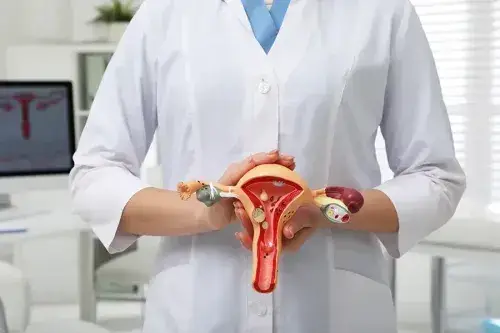
Endometrial hyperplasia is a condition where the lining of the uterus (endometrium) becomes abnormally thick. This occurs due to an imbalance between the hormones oestrogen and progesterone.
Generally, after ovulation, progesterone helps regulate the growth of the endometrium. However, when progesterone levels are low or absent and oestrogen remains unopposed, the endometrial lining can grow excessively, leading to hyperplasia.
In some cases, especially if left untreated, endometrial hyperplasia can progress to uterine cancer.
What Causes Endometrial Hyperplasia?
Endometrial hyperplasia is primarily caused by hormonal imbalance, particularly an excess of oestrogen without adequate progesterone. This imbalance leads to continued thickening of the endometrial lining, even when the body should be shedding it during menstruation.
- Other contributing factors include:
- Obesity
- Polycystic ovary syndrome (PCOS)
- Hormone replacement therapy (without progesterone)
- Irregular menstrual cycles
In some cases, prolonged unopposed oestrogen exposure may eventually result in precancerous changes.
Complications of Endometrial Hyperplasia if Left Untreated
If untreated, endometrial hyperplasia can lead to serious complications. According to the World Health Organisation (WHO) and NHS, the risk of developing endometrial cancer varies by type:
- Atypical hyperplasia: Endometrial hyperplasia without atypia carries a <5% risk of progression, while atypical hyperplasia (EIN) carries a substantially higher risk if untreated.
- Complex atypical hyperplasia: up to 30 - 50% risk if not managed appropriately
This makes early diagnosis and regular monitoring essential.
Prognosis of Endometrial Hyperplasia
The prognosis is generally favourable with early detection and appropriate treatment. Most women respond well to hormonal therapy, especially with progestin. To ensure the condition does not progress to cancer, doctors may recommend:
- Regular pelvic ultrasounds
- Endometrial biopsies every few months
One major risk factor is excess weight. Studies indicate that women who are more than 50 pounds overweight are 10 times more likely to develop endometrial cancer than women with lower body weight (source: NIH and CDC).
Preventive Measures to Avoid Endometrial Hyperplasia
You can take several steps to lower your risk of developing this condition:
- Use progesterone alongside oestrogen after menopause (if undergoing hormone therapy)
- Avoid smoking for overall health benefits; however, smoking is not a proven risk factor for endometrial hyperplasia.
- Maintain a healthy weight through regular exercise and a balanced diet.
- Consider birth control pills (only on medical advice) during irregular periods to regulate hormone levels.
Additionally, incorporating easily accessible Indian foods such as green leafy vegetables, whole grains, curd, and lentils can support hormonal balance and overall reproductive health.
Endometrial hyperplasia is a manageable condition when diagnosed early and treated effectively. Progestin-based therapy remains the most commonly recommended approach, while hysterectomy is reserved for severe or unresponsive cases. Maintaining a healthy weight, following up with your doctor regularly, and avoiding unnecessary hormone exposure can significantly reduce your risk.
Reader Information: This article is intended for general informational and educational purposes only. If you have symptoms such as abnormal uterine bleeding, irregular menstrual cycles, or concerns about endometrial hyperplasia, you should seek evaluation and guidance from a qualified gynaecologist or healthcare provider. Treatment options, including hormonal therapy or surgery, must be determined by a medical professional based on individual clinical assessment.
Also Read:
→ How Do You Treat Glucagonoma
→ Treatment Options for Costochondritis
→ Best Treatment for Tooth Cavities and Their Cost in India
→ Ebstein Anomaly Treatment Options


Health Insurance Coverage for pre-existing medical conditions is subject to underwriting review and may involve additional requirements, loadings, or exclusions. Please disclose your medical history in the proposal form for a personalised assessment.
This FAQ page contains information for general purpose only and has no medical or legal advice. For any personalized advice, do refer company's policy documents or consult a licensed health insurance agent. T & C apply. For further detailed information or inquiries, feel free to reach out via email at marketing.d2c@starhealth.in







