





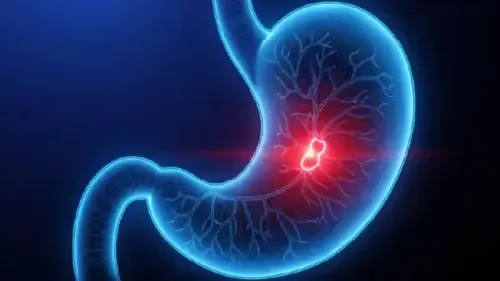
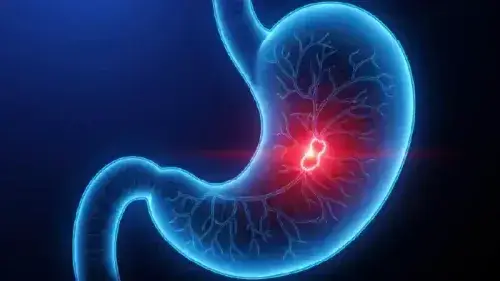
Difference Between a Stomach Ulcer and Cancer
Ulcer vs Cancer in the Stomach - Symptoms, Diagnosis & Prognosis
Stomach ulcers and cancer are two distinct conditions with some overlapping symptoms, such as digestive discomfort, abdominal pain and nausea. While ulcers are treatable, cancer needs intensive medical intervention.
Learn here the key differences between stomach cancer and an ulcer, including treatment measures to alleviate anxiety and seek appropriate clinical consultation.
Key Differences: Stomach Ulcer vs. Stomach Cancer
Here is a brief look at the comparison of stomach ulcers and cancer in the table below:
| Features | Stomach Ulcer | Stomach Cancer |
| Characterisation | Ulcers are small, open sores or wounds on the inner lining of the stomach. | Stomach cancer is a condition in which malignant cells in the stomach lining start growing abnormally. |
| Primary Cause | Bacteria, Helicobacter pylori infection and long-term use of non-steroidal anti-inflammatory drugs are primary causes of developing ulcers. | Genetic predisposition and chronic inflammation from untreated Helicobacter pylori, and highly smoked or processed food habits are the main causes of stomach cancer. |
| Risk Factors | Major risk factors include Helicobacter pylori infection, long-term NSAID use, smoking, excessive alcohol consumption, and severe physiological stress (e.g., critical illness). | Prior diagnosis of peptic ulcer, chronic gastritis, and pernicious anaemia, as well as unhealthy dietary and smoking habits, are key risk factors for increasing the chances of cancer occurrence. |
| Pain Pattern | People having stomach ulcers may experience burning abdominal pain that often declines with medicines like antacids. | Stomach cancer patients experience persistent pain in the middle of the stomach with a gnawing sensation. |
| Typical Symptoms | Most ulcers cause early symptoms (e.g., epigastric pain, bloating). Severe abdominal pain, black stool, vomiting blood, nausea, dizziness, and fainting are symptoms at the advanced stage. | Heartburn, appetite loss, bloated feeling, indigestion, unintentional weight loss, trouble swallowing, jaundice and ascites are reportable symptoms. |
| Diagnosis | Blood tests, stool tests, urea breath tests, barium swallow, biopsy, and GI endoscopy can effectively diagnose ulcers. | Biopsy with upper GI endoscopy, CT scan, barium swallow and biomarker testing with biopsy sample can help diagnose stomach cancer. |
| Prognosis | Stomach ulcers do not have serious complications. But if it is untreated, it may cause long-term issues, perforation and bleeding. | Untreated cancer can gradually grow to the last stage, which is difficult to treat and affects survival rates. |
Stomach Ulcer Treatment
Proper medication and lifestyle changes can effectively treat most stomach ulcers. Medications to reduce stomach ulcers may include:
- H2 receptor blockers and proton pump inhibitors prefer to reduce stomach acids.
- Antibiotics such as amoxicillin, metronidazole and clarithromycin are helpful to reduce ulcer progression and discomfort.
- In rare cases, stomach ulcers require surgical treatment.
Treatment of Stomach Cancer
Doctors recommend combinations of treatments to treat stomach cancer and improve patient survival.
- Endoscopic mucosal resection removes cancer from the lining of the digestive tract.
- Radiation therapy and chemotherapy involve high energy and drugs to kill cancer cells.
- Immunotherapy uses drugs to strengthen the immune system, which can fight against cancer.
- Targeted therapy identifies and attacks particular cancer cells.
While stomach ulcers and stomach cancer may share similar symptoms, their causes, progression, and treatments differ significantly. Early and accurate diagnosis is key to managing both conditions effectively.
Understanding these differences empowers individuals to seek timely medical attention, reduces anxiety, and supports better outcomes through appropriate treatment plans tailored to each specific condition.
Reader Information: This article is intended for general informational and educational purposes only. Symptoms of stomach ulcers and stomach cancer can vary widely and may overlap with other gastrointestinal conditions. Only a qualified healthcare professional can provide an accurate diagnosis and appropriate treatment plan based on an individual’s medical history, symptoms, and diagnostic findings.
Also Read:
→ Difference Between Sickle Cell Anaemia and Sickle Cell Disease
→ Difference Between Laparoscopic and Robotic Surgery
→ Difference Between Nursing Diagnosis and Medical Diagnosis
→ Adjustment Disorder vs Normal Stress


Health Insurance Coverage for pre-existing medical conditions is subject to underwriting review and may involve additional requirements, loadings, or exclusions. Please disclose your medical history in the proposal form for a personalised assessment.
This FAQ page contains information for general purpose only and has no medical or legal advice. For any personalized advice, do refer company's policy documents or consult a licensed health insurance agent. T & C apply. For further detailed information or inquiries, feel free to reach out via email at marketing.d2c@starhealth.in







