





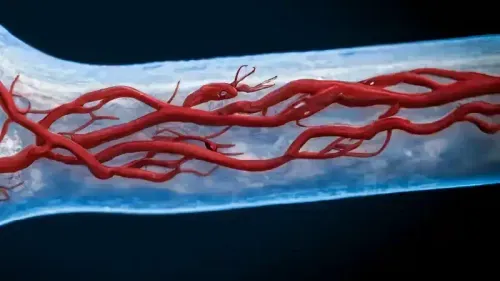
Vasa Vasorum: Tiny Vessels That Nourish Large Blood Vessels
Exploring the Function and Importance of Vasa Vasorum
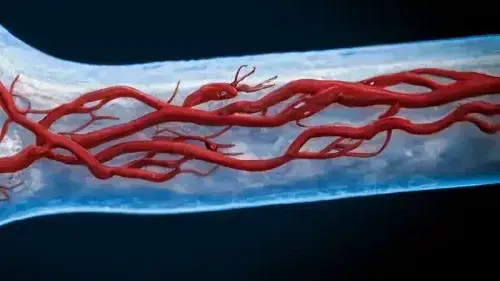
Our human body is a complex network of systems that work together seamlessly. Blood vessels are one of the key components of this network, acting as pathways for blood to travel throughout our bodies. However, blood vessels have their own tiny blood vessels to support them. These small vessels are called vasa vasorum, a Latin term that means vessels to the vessels.
Understanding the Vasa Vasorum
Vasa vasorum are small blood vessels that supply the walls of larger blood vessels, especially large arteries and veins. Large blood vessels, like the aorta, have thick walls made up of several layers. Hence, because of this thickness, oxygen and nutrients cannot easily diffuse from the inside of the vessel (the lumen) to the outer parts.
This is where the vasa vasorum comes in. These small vessels bring oxygen and nutrients directly to the outer layers of these big vessels. Without the vasa vasorum, the walls of large arteries and veins would not get the nutrients they need, leading to serious health problems.
Where Do You Find Vasa Vasorum?
Vasa vasorum is typically found in the walls of large blood vessels, mainly in:
- Large arteries, such as the aorta and pulmonary arteries
- Large veins, especially those in the limbs and abdomen
- Neck and thoracic vessels, like the carotid and subclavian arteries
Vasa vasorum are well developed in both large arteries and large veins. In fact, in some large veins, they may penetrate deeper layers of the vessel wall than in arteries due to lower intraluminal oxygen diffusion.
Function of Vasa Vasorum
Vasa vasorum plays a crucial role in maintaining the health of large blood vessels. Here is a deep understanding of the function of vasa vasorum:
- Nourishment and Oxygen Supply: Their main job is to supply oxygen and nutrients to the walls of large blood vessels. This helps keep the structural integrity of the vessel intact.
- Waste Removal: Just like they bring in oxygen and nutrients, they also help remove carbon dioxide and waste products from the cells in the vessel wall.
- Support During Inflammation or Injury: In cases of injury or infection, vasa vasorum may help deliver immune cells to the affected area. It supports the healing process.
- Assisting Vessel Repair: When there is damage to a blood vessel, vasa vasorum might help in regenerating tissue by supplying essential resources to the blood vessel.
Why are Vasa Vasorum Important in Health and Disease?
Vasa vasorum, small vessels within the walls of larger arteries and veins, play a crucial role in vessel health and disease, especially those related to our cardiovascular system. Here is a detailed breakdown of the importance of vasa vasorum in health and disease:
1. Atherosclerosis
In atherosclerosis, plaques build up in the walls of arteries. Abnormal proliferation and neovascularization of vasa vasorum are associated with plaque inflammation, intraplaque haemorrhage, and plaque instability in atherosclerosis. When these tiny vessels grow too big or become damaged, they may allow inflammatory cells into the vessel wall and worsen the condition.
2. Aneurysms
An aneurysm is a weak spot in a blood vessel wall that can bulge or even burst. Some studies suggest that impaired vasa vasorum function can lead to vessel wall thinning and loss of strength, contributing to the development of an aneurysm.
3. Hypertension and Vessel Thickening
In high blood pressure (hypertension), arteries become thicker over time. This expansion is initially adaptive but may contribute to vascular remodelling and inflammation in chronic hypertension.
What Happens if Vasa Vasorum Gets Blocked?
Just like any other blood vessels, the vasa vasorum can also become blocked or damaged. If this happens, the vessel wall may not get enough oxygen, leading to hypoxia (oxygen deficiency). This can trigger inflammation and cause the vessel to weaken, making it more vulnerable to diseases. Some researchers even believe that damage to the vasa vasorum might be an early step in the development of atherosclerosis.
Vasa vasorum is essential to vascular health because it nourishes the walls of large vessels and helps manage inflammation and repair. Understanding their role can also help us better understand some of the most common and serious heart and blood vessel diseases.
Also Read:
→ Vasa Recta: Key to Osmotic Balance and Urine Concentration


Health Insurance Coverage for pre-existing medical conditions is subject to underwriting review and may involve additional requirements, loadings, or exclusions. Please disclose your medical history in the proposal form for a personalised assessment.
This FAQ page contains information for general purpose only and has no medical or legal advice. For any personalized advice, do refer company's policy documents or consult a licensed health insurance agent. T & C apply. For further detailed information or inquiries, feel free to reach out via email at marketing.d2c@starhealth.in







