





What are the 10 Causes of Malaria?
Malaria Explained: 10 Common Causes & Risk Factors
Being surrounded by the abundance of nature in the tropical regions of the world comes with the downside of being prone to various kinds of diseases, especially vector-borne diseases. One such commonly spread disease is malaria, which is caused by the Plasmodium parasite. Some malaria parasites, such as Plasmodium knowlesi, are zoonotic and can be transmitted from macaques to humans, but most human malaria cases are caused by parasites that primarily infect humans.
Malaria is a leading cause of death and organ damage in tropical countries and can turn severe if not treated promptly. Keep scrolling to read about the major causes of malaria and learn more about its vectors, such as mosquitoes.
Top 10 Causes of Malaria
Here is a look at the most common causes of malaria:
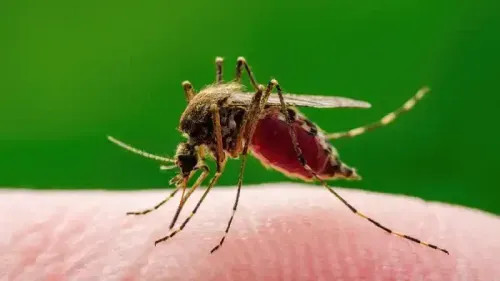
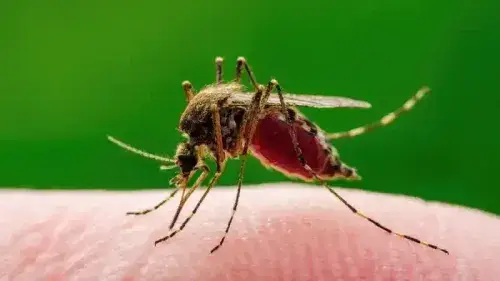
- Anopheles Mosquito Bites: Malaria is widely transmitted from an infected person to a healthy individual via the bites of infected female Anopheles mosquitoes. The Plasmodium parasite is the major cause of malaria, as it multiplies when transferred to a healthy person due to mosquito bites. Thus, these mosquitoes act like carriers of the parasite, thus communicating the disease across a population.
- Transfusion of Infected Blood: Malaria is caused by the Plasmodium parasite, which has five different types. It is transferred from one person to another through various means, one of which is the transfusion of infected blood to healthy individuals.
- Organ Donation By An Infected Individual: Malaria spreads when an infected organ is transplanted into the body of a healthy individual, as it causes the malaria-causing parasites to multiply within the new host’s body.
- Passed Down By The Mother: Congenital malaria is when an infected mother passes down malaria to her child during pregnancy or childbirth. Weakened immunity makes pregnant mothers prone to suffering from malaria.
- Unhygienic Surroundings: Stagnant water sources that allow mosquito breeding increase the risk of malaria transmission, regardless of personal hygiene practices.
- Poor Immunity: People with pre-existing medical issues, aged individuals, pregnant women, and young babies are more vulnerable to contracting malaria due to their weak immunity. Lack of immunity makes people weak at fighting off infections caused by parasites such as the malaria-causing Plasmodium parasite.
- Use of Infected Needles: Although it is not very common, using needles or syringes that are contaminated with the blood of an infected individual can spread malaria-causing parasites.
- Resistance to Drugs: Sometimes, the Plasmodium parasite that causes malaria develops resistance towards anti-malarial drugs due to incorrect usage or overuse, which can lead to failure of drug delivery and persistence of the disease.
- Migration and Travelling: Warm and humid climates are the most suitable for the growth and multiplication of female Anopheles mosquitoes that spread malaria. People travelling or migrating to Africa, South Asia, or South America are at a huge risk of contracting malaria due to the thriving climatic conditions that offer perfect breeding grounds for mosquitoes.
- Plasmodium Parasite: Depending on the incubation period, there are 5 different categories of Plasmodium parasites that cause malaria in various forms. Ranging from severe death-causing parasites to mild fever-causing ones, Plasmodium travels into the blood vessels of healthy individuals.
The carriers are mosquitoes, infected needles, etc. Different types of parasites affect various parts of the human body, such as the brain, liver, etc.
Common Symptoms of Malaria
If you experience one or more of the symptoms given below, it is highly advisable to visit a doctor:
- High body temperature and fever
- Chills that cause your body to shake
- Headache and body pain
- Fatigue
- Pain in the chest
- Breathing difficulty
- Diarrhoea
- Sweating
- Vomiting and nausea
Ignoring the symptoms for a long time can worsen the situation, and therefore, you must seek medical intervention at the earliest.
Common in tropical regions worldwide, malaria is one of the common causes of organ damage and death. Based on the severity of the disease, affected individuals may need extensive treatment, which may often require hospitalisation.
Reader Information: The information provided in this article is intended for general awareness and educational purposes only. It should not be considered a substitute for professional medical advice, diagnosis, or treatment. Malaria symptoms, severity, and treatment may vary from person to person. Always consult a qualified healthcare professional for accurate diagnosis, prevention guidance, and appropriate medical care. Do not ignore or delay seeking medical advice based on information obtained from this article.
Also Read:
→ Cerebral Malaria and Its Neurological Consequences
→ Which Fruit Is Good for Malaria Patients


Health Insurance Coverage for pre-existing medical conditions is subject to underwriting review and may involve additional requirements, loadings, or exclusions. Please disclose your medical history in the proposal form for a personalised assessment.
This FAQ page contains information for general purpose only and has no medical or legal advice. For any personalized advice, do refer company's policy documents or consult a licensed health insurance agent. T & C apply. For further detailed information or inquiries, feel free to reach out via email at marketing.d2c@starhealth.in







