





Which Fruit Is Good for Malaria Patients?
Top Fruits to Eat During Malaria Recovery
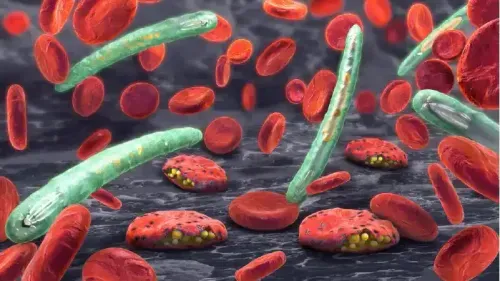
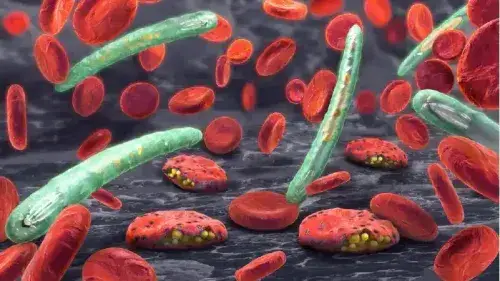
Malaria is a protozoan disease caused by Plasmodium species, transmitted through the bite of an infected female Anopheles mosquito. The body becomes weak during the infection and requires additional care, particularly through maintaining a balanced diet.
Fruits are beneficial for a quicker recovery. They are a rich source of essential vitamins, minerals, antioxidants and energy. Fruits support overall nutrition and immune function during recovery but do not replace or treat malaria infection, which requires appropriate antimalarial therapy. Fruits are generally safe and well tolerated, but malaria can affect organs such as the liver and kidneys, and dietary choices do not prevent these complications.
What are the Common Symptoms of Malaria?
Symptoms of malaria can vary depending on an individual's immunity, the Plasmodium species involved, and the severity of the infection. Some of the common symptoms include:
- Headache: Persistent headaches, which may sometimes be severe, are common with malaria.
- Fever: Recurring fevers, often accompanied by chills and sweating, are typical signs of infection.
- Fatigue: In the acute phase, patients often experience extreme tiredness and weakness.
- Muscle and Joint Pain: Aches in the joints and muscles are frequent, making movement more difficult.
- Nausea and Vomiting: Many patients experience discomfort, nausea and vomiting.
- Abdominal Pain: Discomfort, tenderness, or cramps in the abdomen can occur and may worsen malaria-related complications.
- Anaemia: Prolonged malaria infection can lead to anaemia, as the parasite destroys red blood cells.
Which Fruits Are Recommended to Eat for Malaria Patients?
For individuals recovering from malaria, doctors often recommend fruits rich in antioxidants, vitamins, and fluids.
- Citrus fruits such as lemons, oranges and sweet limes are excellent sources of vitamin C, which supports the immune system.
- Papaya is a good source of vitamins A, C, and E, and contains digestive enzymes like papain, which may aid digestion. It is a nutritious fruit to include in a recovery diet.
- Apples and pomegranates are rich in vitamins and antioxidants. Pomegranates, in particular, provide iron and vitamin C, which can be beneficial as part of a diet designed to support the body's recovery from malaria-induced anaemia. However, severe anaemia must be treated medically.
- Bananas provide a quick source of energy and are easy to digest.
- Coconut water and watermelon help maintain hydration, which is especially important during fever.
Including these fruits in your diet can significantly accelerate recovery and support overall health during and after malaria.
What Foods to Avoid during Malaria?
While fruits are essential, it is also crucial to consume a well-rounded diet. Below are food groups that contribute to better recovery:
- High-Protein Foods: Include protein-rich items such as turkey, chicken, eggs, fish, chickpeas and lentils. Protein helps repair tissue and prevents muscle loss during illness.
- Whole Grains: Choose whole grains like quinoa, brown rice, oats, whole wheat bread, millet and barley. These provide vital nutrients such as fibre, zinc, magnesium, and sustained energy.
- Healthy Fats: Include natural fat sources like nuts (walnuts, almonds, and pistachios), avocados, olive oil, and seeds (chia and flax seeds). These fats boost immunity, reduce inflammation, and support heart health.
- Iron-rich foods: If advised by a doctor, include iron-rich options like leafy greens (spinach, kale), beans, fortified cereals, poultry, red meat and fish to counter anaemia.
Tips to Maximise Nutrition During Malaria Recovery
To recover faster from malaria, eat small, frequent meals throughout the day instead of large portions. Always wash fruits thoroughly to avoid additional infections. Avoid spicy, oily, and heavily processed foods, as they can irritate the digestive system. Stay hydrated and prioritise fresh, seasonal produce for better nutrient absorption.
Consuming the right fruits and a nutritious diet supports faster recovery from malaria. Papaya is easy to digest and provides vitamins that may support general nutrition during recovery, but it has no proven role in increasing platelet counts in malaria.
Always choose fresh fruits for maximum benefit. Alongside medication, a balanced diet promotes healing. Include papaya, pomegranate, and citrus fruits regularly to strengthen the body and recover more effectively from malaria.
Reader information: This article is intended for general informational purposes only and does not constitute medical advice, diagnosis, or treatment. Malaria is a potentially serious illness that requires prompt medical evaluation and appropriate antimalarial therapy prescribed by a qualified healthcare professional. The dietary recommendations discussed, including the consumption of fruits, are meant to support overall nutrition and recovery but do not cure, prevent, or treat malaria or its complications. Nutritional choices should not be used as a substitute for professional medical care. Individuals experiencing symptoms of malaria, anaemia, or other complications should seek medical attention and follow their doctor’s advice.
Also Read:
→ What are the 5 Types of Malaria
→ What are the 10 Causes of Malaria
FAQs
Fruits like papaya, apple, banana, pomegranate, and watermelon are good for malaria patients. They are easy to digest and help restore energy and hydration.
Yes, fruits can support faster recovery by boosting immunity, improving digestion, and helping the body regain strength during and after malaria.
Vitamins like vitamin C, vitamin A, natural sugars, antioxidants, and minerals in fruits help reduce weakness, improve immunity, and manage fever-related fatigue.
Citrus fruits like oranges and sweet lime are generally safe in moderation. They help improve immunity but should be avoided if they cause acidity or stomach discomfort.
Malaria patients should avoid oily, spicy, fried foods, alcohol, and very sour fruits, as these can upset digestion and slow down recovery.
Popular Topics
People Also Search For


Health Insurance Coverage for pre-existing medical conditions is subject to underwriting review and may involve additional requirements, loadings, or exclusions. Please disclose your medical history in the proposal form for a personalised assessment.
This FAQ page contains information for general purpose only and has no medical or legal advice. For any personalized advice, do refer company's policy documents or consult a licensed health insurance agent. T & C apply. For further detailed information or inquiries, feel free to reach out via email at marketing.d2c@starhealth.in







