





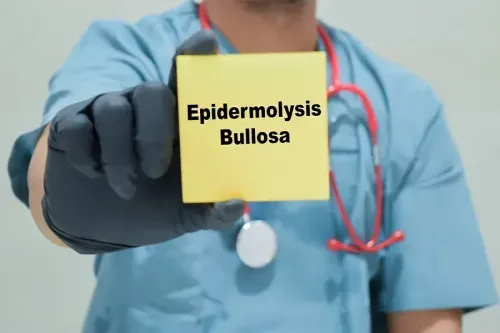
What Causes Epidermolysis Bullosa?
Genetic Causes of Epidermolysis Bullosa and Its Impact on Skin Integrity
Epidermolysis bullosa (EB) encompasses a group of rare inherited diseases causing incredibly delicate skin prone to blistering and tearing from minimal friction or injury. This condition is caused by genetic mutations that impact the proteins essential for keeping our skin intact. The severity of EB can vary significantly from person to person, but its effects on quality of life.
Primary Causes of Epidermolysis Bullosa
The main cause of epidermolysis bullosa is inherited genetic mutations passed from parents to children. In rarer cases, a de novo (spontaneous) mutation can occur with no prior family history.
More than 20 genes have been associated with EB, including those that code for keratins, collagens, laminins, and integrins. These proteins play a crucial role in ensuring that the epidermis (the outer skin layer), dermis (the inner layer), and basement membrane (the middle layer) stick together properly.
EB is classified into 4 main types, based on which skin layer is affected:
- Epidermolysis Bullosa Simplex (EBS): This type arises from mutations in the KRT5 or KRT14 genes, which lead to keratin defects in the epidermis. It accounts for about 70% of all cases.
- Junctional Epidermolysis Bullosa (JEB): This form is caused by mutations in genes such as LAMA3 or COL17A1, which impact the proteins in the basement membrane.
- Dystrophic Epidermolysis Bullosa (DEB): This type is linked to mutations in the COL7A1 gene, which disrupts collagen VII in the dermis.
- Kindler Epidermolysis Bullosa (Kindler syndrome), which shows mixed‑level blistering due to FERMT1 mutations.
To effectively manage the condition, one must deeply understand the different inheritance patterns involved:
- Autosomal Dominant: If one parent has a faulty gene (like in most cases of EBS and some DEB), each child has a 50% chance of inheriting that condition.
- Autosomal Recessive: Here, both parents carry a non-working gene (think severe JEB or recessive DEB). This means their children have a 25% chance of developing EB.
- De novo Mutations: These are spontaneous genetic changes that happen without any family history, but if someone is affected, their kids have a 50% chance of inheriting the risk.
In some rare instances, autoimmune mechanisms, such as epidermolysis bullosa acquisita, can cause the body to mistakenly attack collagen, although the exact triggers are still a bit unclear.
What is the Life Expectancy of Someone With Epidermolysis Bullosa?
Life expectancy for those with epidermolysis bullosa varies significantly based on the subtype and its severity. Here are the specifics you need to know:
1. Epidermolysis Bullosa Simplex (EBS)
- Mild Variants (like Weber-Cockayne): These individuals often enjoy a near-normal life expectancy. Blisters tend to appear mainly on the hands and feet, and many find that their condition improves as they age.
- Severe Variants (such as Dowling-Meara): Extensive blistering and infection risk unfortunately contribute to higher infant mortality rates. Some rare subtypes, like EBS with muscular dystrophy, can further shorten lifespan.
2. Dystrophic Epidermolysis Bullosa (DEB)
- Dominant DEB: Generally, people with this type can expect a normal lifespan. However, they may face chronic wounds, scarring, and an increased risk of squamous cell carcinoma (SCC) as they grow older.
- Recessive DEB: This subtype carries a greater risk of serious complications, including aggressive SCC, malnutrition, and organ failure. The median survival rate here is around 30 to 40 years.
3. Junctional Epidermolysis Bullosa (JEB)
- Severe JEB (Herlitz type): Unfortunately, about 87% of infants with this type do not survive past their first year, often due to infections, respiratory failure, or failure to thrive. Very few make it into adulthood.
- Non-Herlitz JEB: While survival rates have improved into adulthood, individuals still face significant health challenges, including anaemia and kidney problems.
Can Epidermolysis Bullosa be Cured?
While there is currently no cure for EB, a multidisciplinary-based approach to healthcare focuses on symptom management, preventing complications, and enhancing the overall quality of life for those affected.
Here are some key treatment strategies:
1. Wound Care
- Using non-adhesive dressings, like silicone-based options, to safeguard delicate skin.
- Applying topical antibiotics, such as mupirocin, to treat any infected blisters.
- Exploring advanced therapies like Filsuvez gel, which contains birch triterpenes, to aid in healing.
2. Pain Management
- This method involves administering paracetamol or opioids, like fentanyl, during wound care procedures.
- Therapists also consider antidepressants, such as amitriptyline, to help manage chronic pain.
3. Nutritional Support
High-calorie nutritional support, either through diet or a feeding tube, is necessary for patients with oral or oesophageal problems.
4. Surgical Interventions
Specialists can perform corrective hand and foot surgery, as well as oesophageal dilation when needed.
In a nutshell, epidermolysis bullosa is caused by genetic issues that mess with the proteins responsible for skin adhesion. The outlook can vary, as some people with mild EBS can live nearly normal lives, while those with severe JEB may face infant mortality. Although there is no cure yet, new treatments are emerging that bring hope for better management.
Reader information: This article is intended for general informational and educational purposes only and does not constitute medical advice, diagnosis, or treatment. Epidermolysis bullosa is a complex group of rare disorders, and clinical presentation, prognosis, and management may vary significantly between individuals. Readers should not rely on this information as a substitute for professional medical consultation. Diagnosis and treatment decisions should always be made in consultation with a qualified healthcare professional, such as a dermatologist or genetic specialist, who can consider individual medical history and current clinical guidelines. While efforts have been made to ensure the accuracy of the information presented, medical knowledge and treatment recommendations may evolve over time, and no guarantee is given regarding completeness or current applicability.
Also Read:
→ Krabbe Disease Causes and How It Affects Children
→ What Disease is Caused by Excess Aldosterone (Hyperaldosteronism)


Health Insurance Coverage for pre-existing medical conditions is subject to underwriting review and may involve additional requirements, loadings, or exclusions. Please disclose your medical history in the proposal form for a personalised assessment.
This FAQ page contains information for general purpose only and has no medical or legal advice. For any personalized advice, do refer company's policy documents or consult a licensed health insurance agent. T & C apply. For further detailed information or inquiries, feel free to reach out via email at marketing.d2c@starhealth.in







